SAEDNEWS: In the following, we take a look at the common regulations related to special types of cargo. These rules are highly variable and, depending on different factors, may involve additional costs and sometimes require special permits. Stay with us.
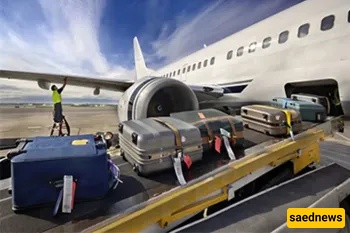
According to Saednews, Passenger baggage is one of the constant concerns for people who plan to travel by air. Those who always carry a small hand bag feel more at ease, but those who must bring large items such as musical instruments, diving cylinders, or sports equipment face various fees and sometimes even restrictions. Most airlines have their own regulations and publish them on their websites so passengers can follow them before arriving at the airport.
Small musical instruments such as a small violin or compact wind instruments can usually be taken into the cabin along with a small carry-on bag. However, the main condition is that they must not be packed away or placed inside a container that cannot be easily opened.
Larger musical instruments that require more space and are more fragile are subject to different rules depending on the airline. For example, if you bring a guitar, you may be allowed to carry it into the cabin, but some airlines recommend purchasing an extra seat so the guitar can be placed next to you and protected from damage. The cello, which is larger than a violin, follows a similar rule, and depending on the passenger’s preference, an extra seat can be used. However, due to cost, this option is often not feasible, and airlines may require passengers to pay additional fees for transporting such items as checked baggage.
Common sports equipment transported as passenger baggage includes golf equipment, skis, bicycles, snow skis, and similar items. Most airlines accept these items as checked baggage without additional fees, provided they are properly packed. In some airlines, even items such as a kayak can be transported. In general, sports equipment that can be packed within standard dimensions usually does not incur extra charges.
However, items that cannot be packed within standard sizes or stored in regular luggage will incur additional fees depending on their size and weight. For example, ski equipment may cost anywhere from about $100 to over $200 depending on the airline. One of the more expensive airlines in this regard is Qatar Airways, where additional charges for transporting large sports equipment start from $350.
Bicycles also have specific rules and costs. Parts such as pedals may need to be removed, or if possible, folded. The handlebars should be aligned parallel to the frame for proper packaging. Policies vary by airline. For instance, on some American carriers, the fee ranges from $75 to $150, while on certain flights, bicycles may be included within the free baggage allowance and not incur extra charges.
Some airlines operating routes to specific countries offer discounts for common sports equipment. For example, Air Tahiti provides discounted transport for passengers with diving certification who carry diving equipment. JetBlue also occasionally removes extra fees for sports equipment such as bicycles and skis during seasonal sports events or competitions.
There is no universal regulation for transporting special baggage; it mostly depends on size and weight. If items fit within luggage and are considered standard baggage, they usually require no special permission and no extra fees. However, larger and heavier items almost always incur additional costs. It is recommended to check all baggage rules with your airline before traveling.
Have you ever traveled with non-standard baggage on a flight?