SAEDNEWS: In this article, we will examine the Rayen Citadel in Kerman from various perspectives. Stay with us.
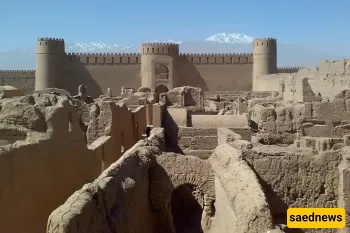
According to Saednews, Among the surviving works from the Sassanid era, we also find Rayen Castle in Kerman. It is one of the most notable attractions located in the city of Rayen and is today recognized as the second-largest mudbrick structure in the world. This distinction has made it a major tourist destination, attracting many visitors from around the globe each year.
The city of Rayen is located in Kerman Province, in one of Iran’s desert regions that attracts numerous tourists annually. Rayen has many historical and scenic attractions. In the past, it was an important center for trade and commerce.
Upon entering Rayen, one encounters many historical structures, among which Rayen Castle stands out. This fortress, due to its design and appearance, closely resembles Bam Citadel and conveys a similar historical atmosphere.
This site is registered as the second-largest mudbrick structure in the world, clearly reflecting its vast size. Rayen Castle covers an area of 22,000 square meters, with a protected surrounding zone of 44,000 square meters. In its time, it functioned almost like a small city.
One of the main reasons for its construction during the Sassanid period was to protect the residents of Rayen. Many nobles also lived within the citadel. Throughout history, Rayen Castle successfully resisted multiple invasions and remained relatively impenetrable during various conflicts.
The structure shares strong similarities with Bam Citadel, also located in Kerman. Its building materials, architectural style, and overall appearance are influenced by it, although its size is smaller.
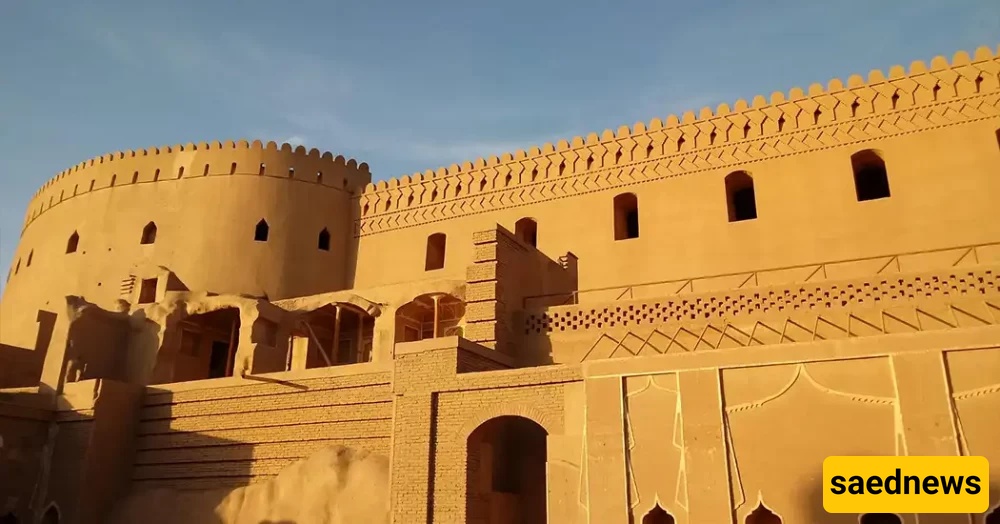
Today, if you visit Rayen Castle, you will see that many sections have been restored and revitalized. Inside the site, there are various attractions such as a bazaar, fire temple, and other historical elements that are very appealing to visitors.
According to historical records, people lived in this citadel until about 150 years ago. However, due to the gradual deterioration of houses, residents eventually moved to the nearby city of Rayen and Kerman.
The construction of this fortress dates back to the Sassanid era. At that time, its strategic location made it an important commercial hub, which also made it a target for invasions.
During the reign of Nader Shah, Mirza Hossein Khan Rayeni, and later Mohammad Ali Khan in the Zand period, governance of Rayen Castle was established. The rulers, along with their families and close relatives, lived inside the citadel. Merchants, farmers, and other professions also resided there.
Rayen Castle also functioned as a commercial exchange center. Caravan routes passed through it, and it served as a resting place for traders. It was especially important in the trade of goods such as textiles.
In addition, the area was historically known as a center for producing weapons such as swords, knives, and firearms.
The architecture of Rayen Castle is both highly intelligent and visually impressive. It has a square-shaped design with multiple towers inside.
Upon entering, visitors encounter corridors leading to various buildings. There are four main corridors and four main structures, each built in a distinct style with unique features.
The castle is surrounded by a defensive wall about 10 meters high and 5 meters thick. There is a main entrance on the eastern side used for both entry and exit.
Above the entrance gate, there is a platform that was used by guards. A square opening was designed to allow them to monitor the surroundings effectively.
Artisans working with metal tools were also active near the entrance area.
A 154-meter-long moat was constructed around the southern, southeastern, and eastern sections of the castle. It served both defensive purposes and water drainage during floods.
Outside the castle, there are 12 defensive ramparts used during wartime. The battlements were designed for archers.
The castle also contains 16 towers located at both the corners and along the inner and outer walls. Fifteen of these were general defensive towers, while one main tower was used for communication and alerts. All towers are two stories high, with stairways on both sides and arrow slits in their structure. They were built using mudbrick and traditional earthen materials.
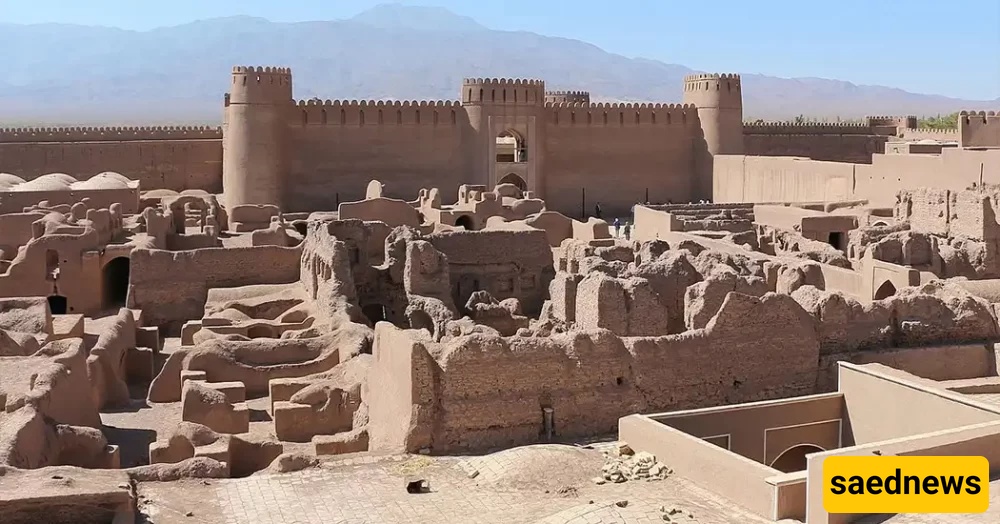
The interior of Rayen Castle is divided into three main sections. Numerous houses were built inside, mostly for nobles, rulers, and their families, although common residential areas also existed and remnants of them remain today.
All sections are connected through spiral earthen stairways. The citadel also includes mudbrick alleyways and structures such as schools (maktab-khaneh), traditional gyms (zurkhaneh), and other facilities. Most buildings are two or three stories high.
The most famous structure inside the complex is the beautiful octagonal Kushk (pavilion) and the governor’s residence.
Rayen Waterfall (also known as Zar Rud), located at the foothills of Mount Hezar
The beautiful and mountainous village of Gishigan, about 30 km from Rayen, known for its pleasant climate and scenic views
Rayen Jameh Mosque, located in the main square of the city with significant historical value
Other ancient mosques and historical buildings in the region, ideal for those interested in heritage sites
Rayen Castle is located approximately 105 kilometers southwest of Kerman, at the foothills of Mount Hezar. It is situated near Imam Street and Hospital Street in Rayen.
The site is open to visitors every day except official mourning and religious holidays. Visiting hours are generally from 9:00 AM to 7:00 PM.
The best seasons to visit are spring and autumn, when the weather is mild and pleasant.
There is an entrance fee for visitors, which varies for domestic and international tourists and may change annually. Visitors are advised to check the latest fee information before arrival.