SAEDNEWS: When a plant stops growing, adding fertilizer is not always the best first step. Problems with light, watering, soil condition, temperature, pot size, or roots can slow growth. Checking these factors first can help identify the real cause and prevent unnecessary fertilizer use.
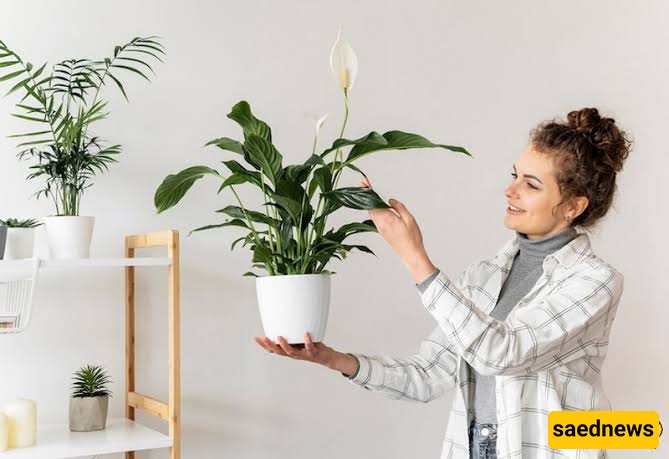
According to SAEDNEWS, insufficient light is one of the common reasons a plant grows slowly. Most plants need suitable levels of natural light to produce energy for healthy growth. Check whether the plant is receiving enough light for its specific needs. If the leaves become pale, growth becomes weak, or new leaves remain small, the plant may need a brighter location.
Both too much and too little water can affect plant growth. Constantly wet soil can reduce air around the roots, while very dry soil can prevent the plant from taking up enough moisture. Check the soil before watering and make sure excess water can drain from the pot. A consistent watering routine is usually more helpful than frequent watering.
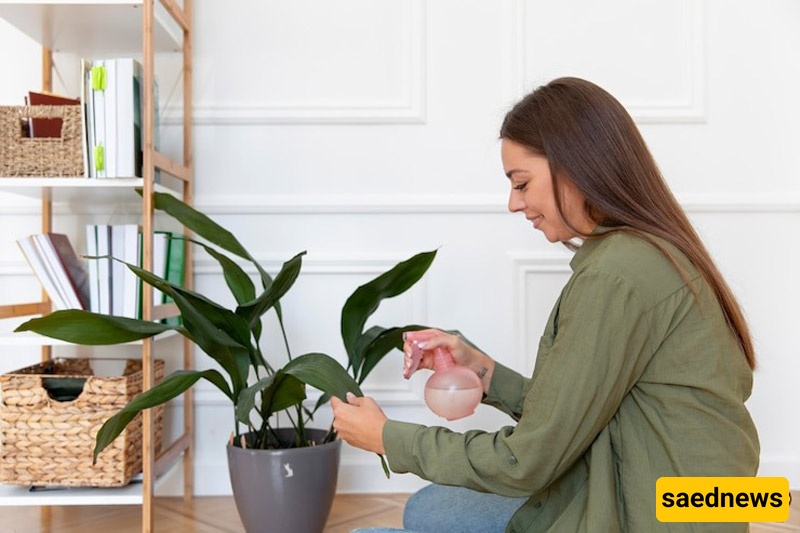
Poor soil condition can make it difficult for roots to receive air, water, and nutrients. If the soil has become hard or compacted, roots may struggle to develop. Also check whether the pot is too small for the root system. A plant with crowded roots may need more space rather than additional fertilizer.
Sudden temperature changes, cold drafts, excessive heat, or an unsuitable indoor location can slow plant growth. Keep the plant away from strong drafts and extreme temperature changes when possible. Stable environmental conditions can give roots and leaves a better opportunity to develop normally.
If light, watering, soil, and temperature seem appropriate, inspect the plant for signs of root problems or other visible issues. Damaged roots can limit the plant's ability to absorb water and nutrients. Fertilizing a stressed plant without identifying the underlying problem may not improve growth. Once the basic conditions are corrected, fertilizer can be considered according to the plant's needs.