SAEDNEWS: One of the most beautiful and oldest ornamental plants used to decorate gardens and parks is the rose. If you follow the tips mentioned in this article during the summer, you can be sure that your rose plant will remain full of flowers throughout the season.
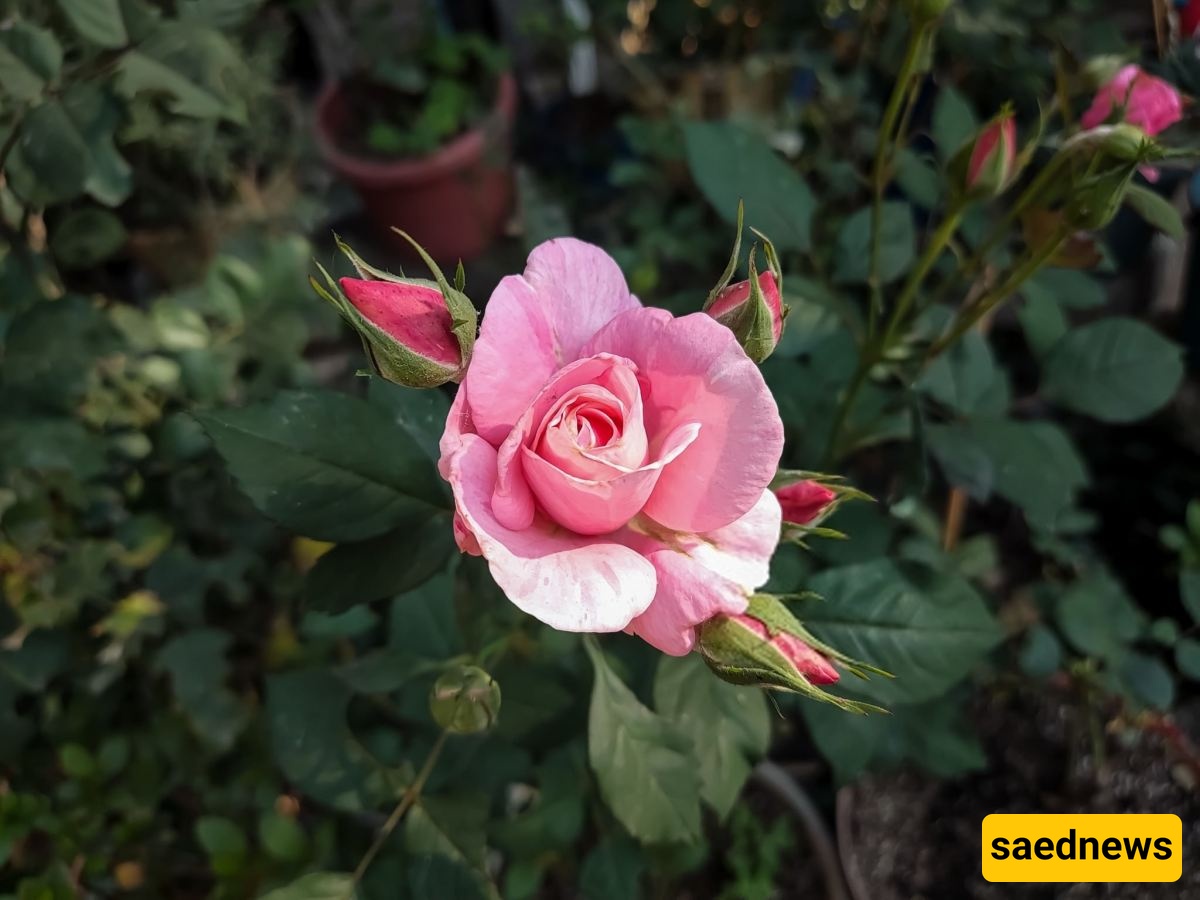
According to Saednews, Roses may appear delicate and sensitive, but they actually require less care than many people expect. Caring for roses in a garden is not complicated, and with a few simple tips, even beginner gardeners can successfully grow these beautiful flowers. This guide explains essential methods for maintaining roses in both garden beds and pots.
To enjoy blooming roses in your garden during autumn, it is important to take proper care of them in the middle of summer. Even if your roses are not currently looking fresh, red, or pink, these steps can help improve their condition. Once the flowers have completed their final blooming cycle, it is time for summer pruning.
Summer pruning is different from late winter pruning, where the outer and back sections of the plant are trimmed. Summer pruning is lighter and focuses on removing faded blooms that will no longer produce flowers. This encourages the growth of new blossoms.
The goal is to prune the plant as if you are cutting a bunch of roses with long stems. Do not simply remove the flowers that have stopped blooming. Wear gardening gloves, take pruning scissors, and cut the stem down to a healthy outward-facing bud located lower on the stem. Usually, around 20–30 centimeters of old stem growth is removed.
The immediate result of this type of pruning is that roses begin growing rapidly. During this new growth period, the plant uses its stored energy. Therefore, after pruning, roses need extra water and nutrients to support healthy development.
If the soil feels dry, water the plant deeply so that moisture reaches the lower layers of the soil. After pruning, while the roses are producing new growth, repeat this watering process at least once a week.
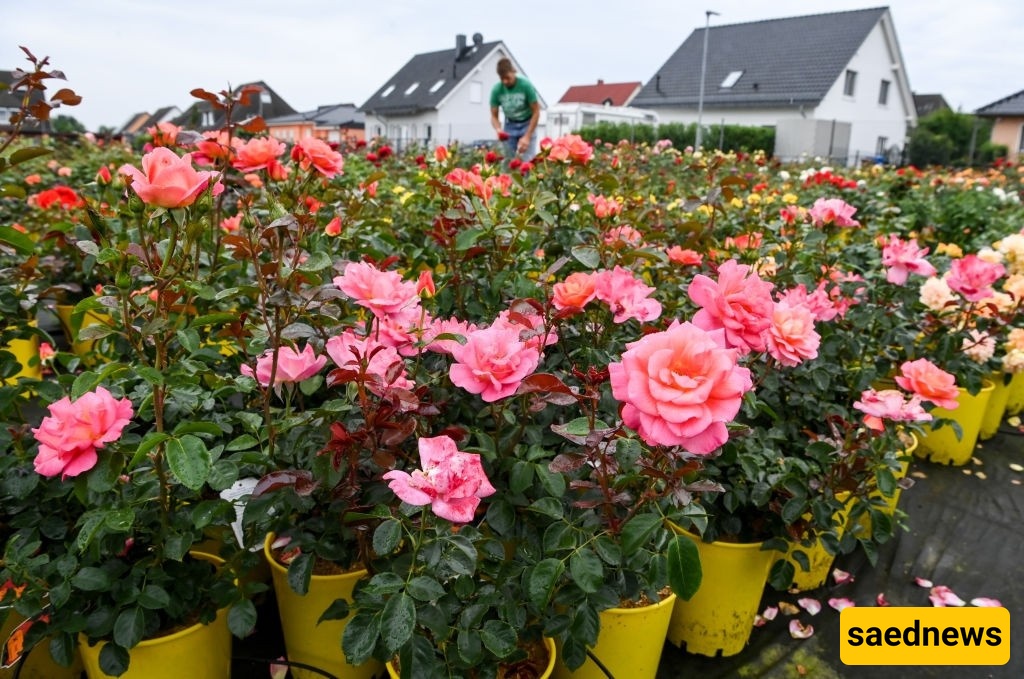
After thoroughly watering the soil, add a few handfuls of organic animal manure or rose fertilizer around each rose bush. To further improve soil quality, add a layer of organic compost, which is made from a mixture of materials such as animal manure and plant waste like leaves.
Fertilizing around rose bushes is essential. It not only provides nutrients for the soil and flowers but also helps maintain moisture, prevents water loss, keeps the soil cooler during hot weather, and reduces weed growth. Expect new flowers to appear about 6–8 weeks after pruning.
Growing roses indoors requires sufficient light. If you want to keep a rose plant inside your home, choose a bright location with indirect sunlight. The best position is usually near a south-facing or west-facing window, where the plant can receive around six hours of sunlight each day.
Potted roses need a location with a balanced and suitable temperature. The ideal daytime temperature is around 21–24°C, while nighttime temperatures should not fall below 15°C.
Extremely cold or hot conditions can damage the plant and prevent flowering. Proper air circulation is also necessary to keep the plant in fresh air. Roses kept in stuffy environments are more likely to develop diseases and may have a shorter lifespan.
If the air around potted roses becomes too dry, the plant may suffer from spider mite infestations and serious damage. To prevent this, place small stones and some water in a tray under the pot, then place the pot on top of them.
This creates a small humidity zone around the plant. As the water evaporates, it provides the moisture roses need and helps keep them fresh and healthy. This method makes indoor rose care easier.
Indoor roses require regular and balanced watering. Do not allow the soil to remain dry for long periods. However, before watering again, check about 2.5 centimeters of the soil with your finger.
If the soil feels dry, water the plant. If your finger feels damp, the rose does not need watering yet.
Pests and insects love roses as much as gardeners do. Proper care and healthy growing conditions naturally help protect plants from many problems. However, some issues may still occur.
When new growth becomes stronger, various creatures may become attracted to the plant. It is recommended to cover the plant at night if necessary and use protective sprays when needed.
These are usually aphids, which are attracted to the fresh taste of young buds and newly grown stems after pruning. If ladybugs are present in your garden, there is usually less concern because they are natural predators of aphids.
Small birds and ladybugs help control aphid populations naturally. If they are not present, you can remove aphids by hand or use suitable insect-control sprays.
This problem is often caused by grasshoppers or caterpillars. Search for these insects and remove them by hand, or use environmentally friendly pesticides.
If the damaged area looks like a crescent-shaped bite on the leaf, carefully remove the affected part. This type of damage is usually caused by leaf-cutting bees. Although it may look concerning, it is minor and generally does not harm the plant or require special treatment.
With proper pruning, watering, sunlight, fertilizing, and pest control, roses can remain healthy and produce beautiful blooms throughout the growing season.