SAEDNEWS: This article introduces several simple and beneficial exercises that may help reduce neck pain and improve symptoms of cervical arthritis. However, before performing these exercises, be sure to consult your doctor.

According to Saednews, In this article, we will share some simple exercises that may help with cervical osteoarthritis (neck arthritis). However, it is recommended that you consult your doctor before starting these exercises or any other workout routine.
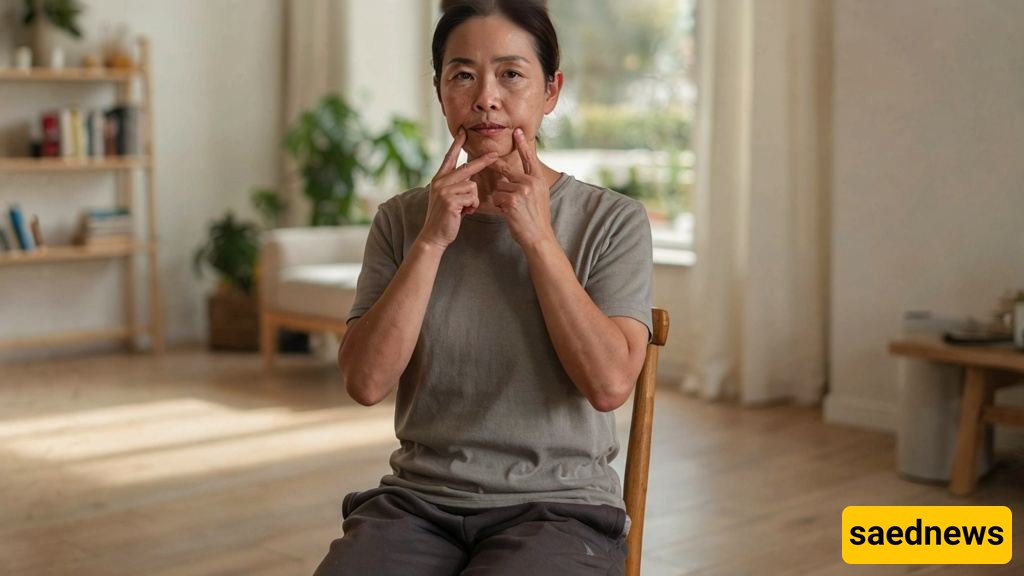
This exercise activates and strengthens the deep neck muscles (the muscles located at the front of the neck).
Place two fingers at the bottom of your chin.
Gently pull your chin backward and slightly retract your head. Use your fingers to keep your chin tucked throughout the movement.
Hold this position for 3 to 5 seconds.
Relax your neck briefly and allow your head to move forward again.
Perform this exercise in 2 to 3 sets of 10 repetitions.
Tip: You should feel a gentle stretch or lengthening sensation at the back of your neck. This stretching feeling is an important part of the exercise.
This exercise engages the muscles at the back of your neck.
Place two fingers on your chin.
Put your other hand on the back of your head.
Slowly pull your head toward your chest.
When you feel a stretch at the back of your neck, hold the position for 20 to 30 seconds.
Repeat this exercise three times.
Massaging this muscle can help reduce muscle tension and spasms.
Sit or stand in a comfortable position.
Locate the sternocleidomastoid muscle and gently massage the area.
Using light pressure with your fingers, massage the entire muscle from top to bottom.
Massage each side of your neck for one minute.
This exercise helps stabilize and strengthen the middle back muscles, which can improve posture.
Stand in a comfortable and proper posture.
Hold a resistance band with both hands. Keep your elbows straight and maintain the correct position.
While keeping your elbows locked, slowly move your hands outward and behind your body. You should feel the muscles between your shoulder blades contract and squeeze.
Continue only as far as comfortable. A mild muscle burn is normal, but you should not feel pain in your arms or neck.
Avoid lifting your shoulders toward your ears.
Perform 2 sets of 10 repetitions and gradually increase to 3 sets of 10 repetitions.
This movement strengthens the trapezius muscles, which may help reduce discomfort related to cervical osteoarthritis.
Stand upright.
Slowly lift your shoulders toward your ears.
Hold for two seconds, then return to the starting position.
Cervical osteoarthritis cannot always be completely cured, but its symptoms can often be effectively managed through corrective exercises and lifestyle changes.
When performing these exercises, keep two important points in mind:
Perform all movements slowly and avoid excessive pressure or force.
Stop the exercise if you experience pain, numbness, or unusual discomfort.
Regular, gentle exercises combined with proper posture and healthy lifestyle habits can help improve neck flexibility, reduce stiffness, and support better neck health.