SAEDNEWS: The Kaghazkanan Protected Area is a remarkable and beautiful region located in East Azerbaijan Province. It serves as a habitat for several endangered animal species, which makes it highly significant from an environmental perspective. Join us as we take a closer look at this distinctive natural area.
The Kaghazkanan Protected and No-Hunting Area, covering 50,624 hectares, is one of the main nature-tourism destinations and attractions of Miyaneh in East Azerbaijan Province. It is located in the Kaghazkanan District, south of Miyaneh County.
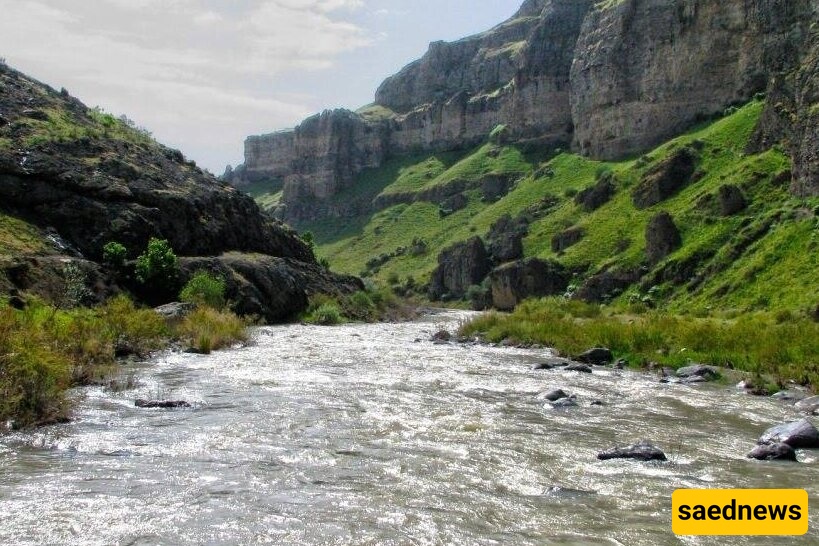
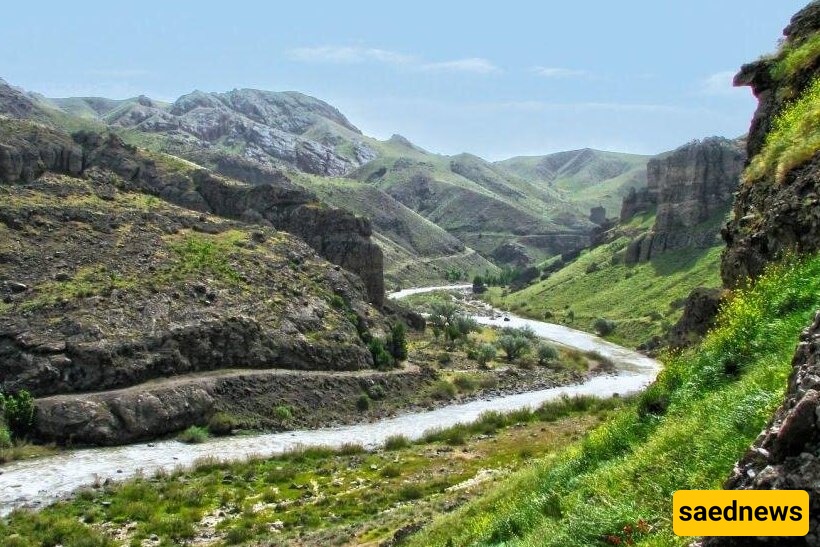
From a geomorphological perspective, the area consists of three main landforms: mountainous, hilly, and plain regions. Elevation ranges from 700 to 2,100 meters above sea level.
The Qezel Ozan River flowing through Kaghazkanan not only serves as a vital water source for wildlife but also functions as an important micro-habitat.
Situated near the Miyaneh–Zanjan transit road, the area features plains and low rolling hills that form an important gazelle habitat.
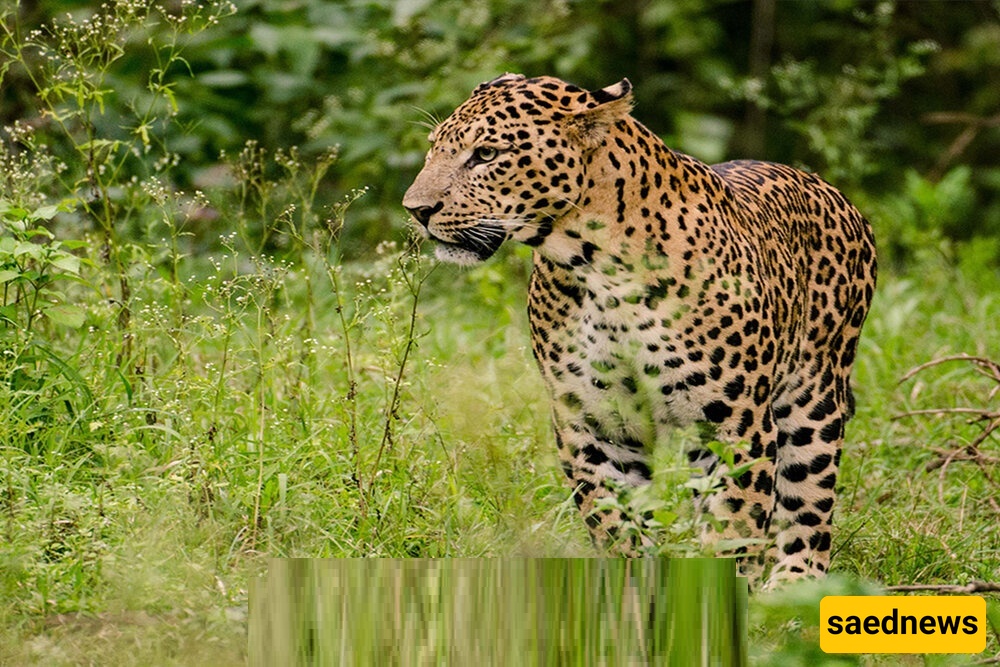
In the northeastern parts, where elevations increase, species such as wild goats, ibex, and leopards can be found. The Kaghazkanan Protected Area is located at a crossroads between the Khalhal Mountains, Talysh Mountains, and Tarom Mountains of Zanjan, acting as an ecological bridge that connects leopard populations in Tarom and Zanjan to those in northwestern Iran and ultimately the Caucasus.
Notable plant species in the region include poppies, cotton grass, medlar, willow, wild apple varieties, wild pear, oak, and ash trees.
Animal species inhabiting Kaghazkanan include leopards, wild goats and ibex, gazelles, brown bears, wildcats, hares, ground squirrels, Mediterranean horseshoe bats, along with a wide range of rodents, birds, reptiles, and amphibians.
Among the most important native bird species of the Kaghazkanan Protected Area are birds of prey from the falconiform order and the hawk family, including the golden eagle, kite, vulture, buzzard, and Montagu’s harrier.
From the falcon family, species such as the kestrel, lanner falcon, peregrine falcon, and saker falcon are present.
Ground birds from the galliform order include the chukar partridge, Caucasian snowcock, sandgrouse, and quail.
Other terrestrial and aquatic birds found in the region include the grey and purple heron, white stork, coot, common and green sandpipers, little cormorant, and river swallow.
Various species of reptiles and amphibians are also found throughout the area.
Key plant species of the Kaghazkanan Protected Area include poppy, cotton grass, mountain garlic, borage, yellow onion, various types of alfalfa, sheep fescue, thyme, wild herbs, wild barley, wheatgrass, pennyroyal, savory, sainfoin, carnation, yarrow, chamomile, barberry, wild plum, dog rose, manna plant, medlar, willow, wild apple varieties, wild pear, oak, and ash trees.
Covering approximately 50,624 hectares, this area is one of Miyaneh’s most important destinations for nature tourism.
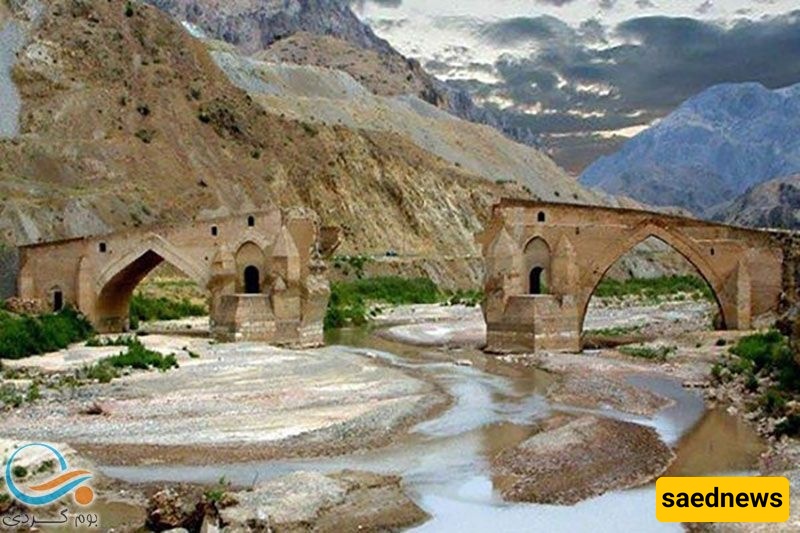
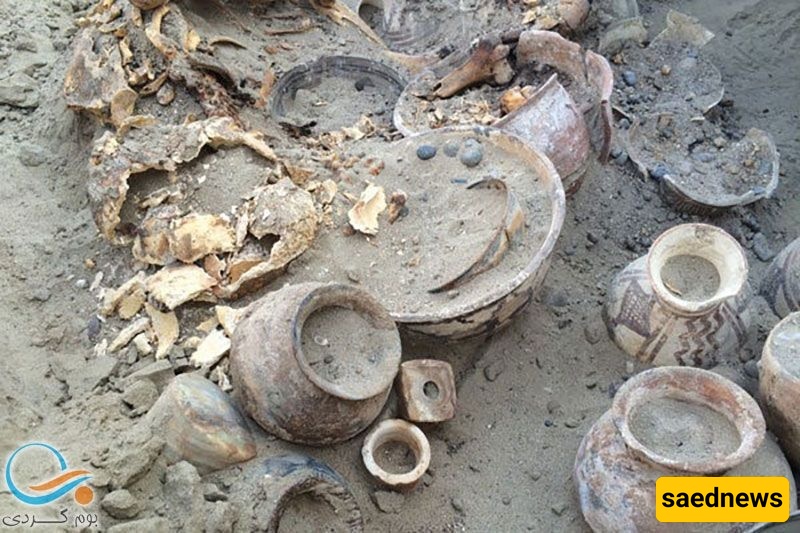
This ancient archaeological site is located two kilometers west of Aghkand, near the Aghkand–Shirin Bolagh road.
This fortress is situated in the mountainous northern part of Kaghazkanan, close to the Qezel Ozan River valley.
Located in North Kaghazkanan Rural District, this village is the birthplace of Molla Mohammad Bagher Khalkhali Kaghazkanani, a poet and scholar from the Qajar era.
This village lies in the Eastern Qaflankuh Rural District.
The Kaghazkanan Industrial Town, located in Aghkand City, hosts a variety of industrial and food production units.
Kaghazkanan consists of a mountainous mass in the northeast and gazelle-inhabited plains in the southwest.
The region lies alongside the Qezel Ozan River, and its elevation ranges from 700 to 2,100 meters, creating diverse ecological conditions.