SAEDNEWS: Almonds are calorie-dense, but their combination of fiber, protein, and healthy fats helps curb appetite and reduce belly fat when consumed in moderation and as part of a balanced diet.
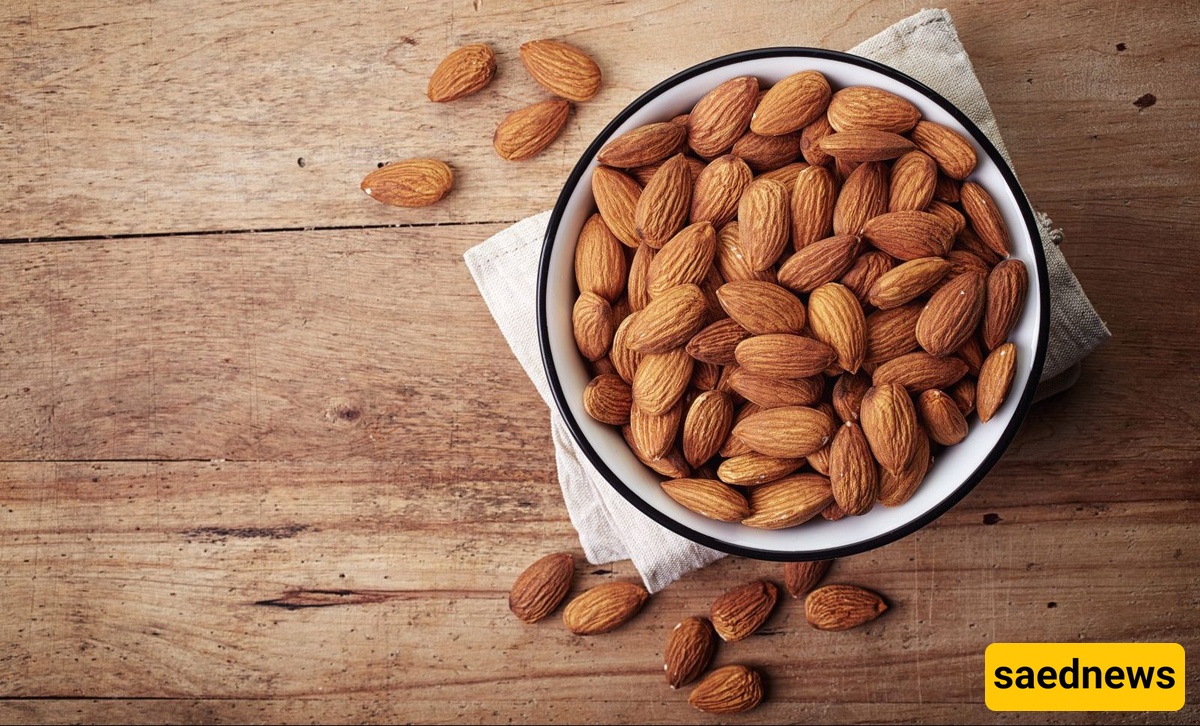
According to Saednews, Weight loss is often associated with the idea of simply eating less. However, research and practical experience suggest that food quality and nutritional composition can play a more important role than merely reducing portion sizes.
Almonds hold a special place in this regard. They are nutrient-dense, delicious, and relatively high in calories. At first glance, they may not seem like an ideal food for a weight-loss diet. Yet, research suggests that eating almonds in moderation can help control appetite, improve body composition, and support healthy weight management.
This article takes an in-depth look at the benefits of almonds for weight loss, the mechanisms behind their effects, how much and when to eat them, and common mistakes that may undermine your results. The goal is to provide a realistic, practical understanding of how almonds can fit into a healthy weight-loss plan.
To understand the weight-loss benefits of almonds, it is important to first examine their nutritional profile.
A 28-gram serving of almonds (approximately 23 whole kernels) contains:
Calories: Approximately 164 kcal
Protein: Approximately 6 grams
Fat: Approximately 14 grams, mostly monounsaturated fats
Carbohydrates: Approximately 6 grams
Fiber: Approximately 3.5 grams
Vitamin E: Approximately 7 mg (nearly half the daily requirement)
Other nutrients: Magnesium, potassium, calcium, riboflavin, and polyphenol antioxidants
The key point is that almonds should not be judged solely by their calorie content. Their unique combination of protein, fiber, healthy fats, and essential minerals makes them a satisfying food that can help regulate appetite—a benefit rarely found in highly processed snacks.
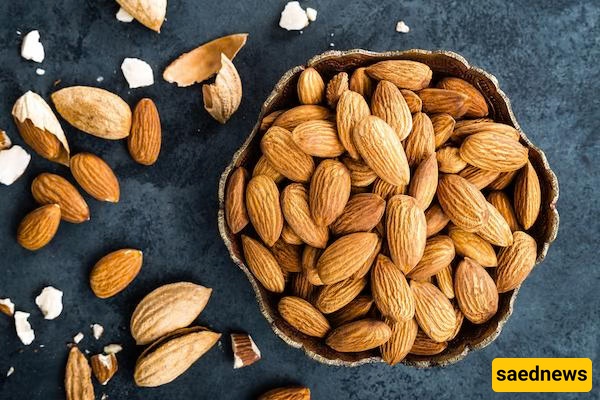
One of the most important benefits of almonds for weight management is their ability to promote satiety.
Three nutrients work together to help control hunger:
Fiber
Plant-based protein
Unsaturated fats
This combination slows stomach emptying and may stimulate the release of satiety hormones such as peptide YY.
In practical terms, eating 10–15 almonds as a snack can help you feel full for longer, reduce unnecessary snacking, and lower the likelihood of overeating at your next meal.
This is one of the main ways almonds may support weight loss.
Visceral fat, which accumulates around the abdominal organs, is considered particularly harmful because it is associated with insulin resistance and cardiovascular disease.
Some clinical studies suggest that people who regularly consume almonds in controlled portions may experience greater reductions in abdominal fat and waist circumference than those consuming a similar number of calories from carbohydrates.
These potential benefits may be related to the combination of unsaturated fats, magnesium, and antioxidants in almonds, as well as their possible role in improving insulin sensitivity.
One common challenge of weight-loss diets is losing muscle along with body fat.
Almonds provide plant-based protein and magnesium, a mineral involved in muscle function and energy production. These nutrients can contribute to maintaining healthy muscle tissue as part of a balanced diet.
Preserving muscle mass is important because it helps maintain metabolic health and supports long-term weight management after a diet ends.
Blood sugar fluctuations can contribute to cravings for sugary snacks.
Almonds have a very low glycemic impact and contain fiber and healthy fats that can slow the rise in blood glucose after meals.
Research suggests that eating almonds alongside or before carbohydrate-rich meals may help reduce post-meal blood sugar responses.
For people who struggle with sweet cravings during weight loss, replacing candy or cookies with a small portion of almonds can be a simple and nutritious alternative.
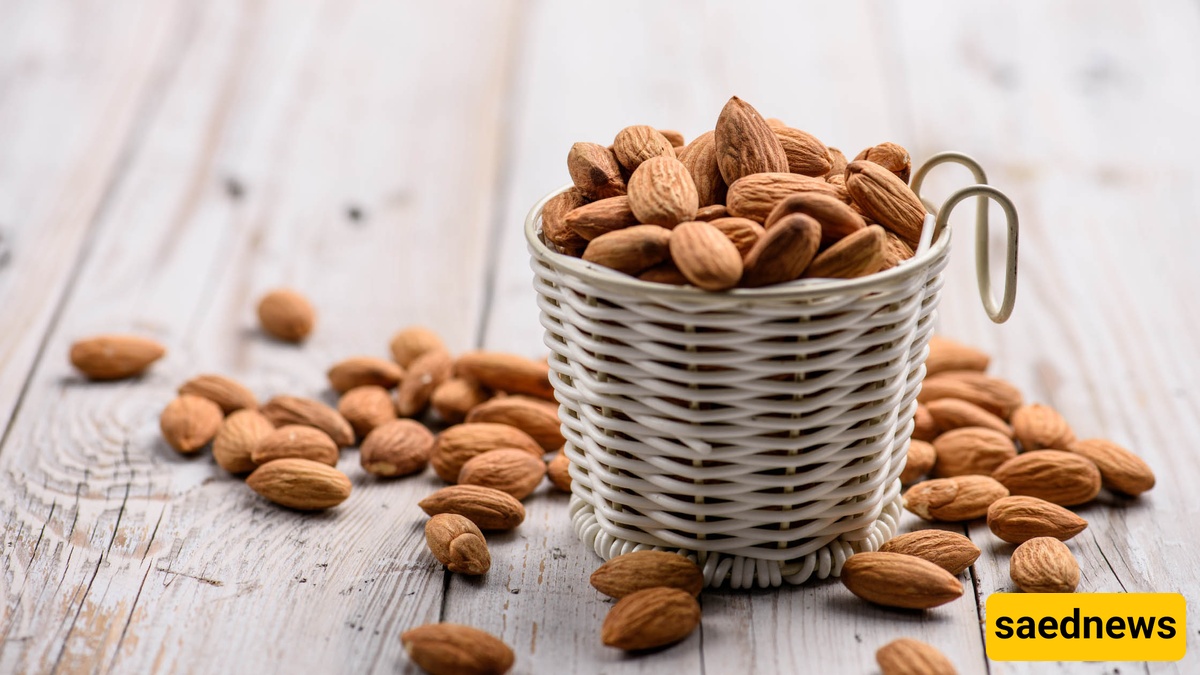
Almonds provide magnesium and riboflavin, both of which play important roles in converting food into usable energy.
Their firm texture also requires considerable chewing, while some of their nutrients and fats require energy to digest.
Although these effects are relatively modest and should not be considered a major fat-burning mechanism, they may contribute to a healthy dietary pattern that supports gradual, sustainable weight loss.
One lesser-known characteristic of almonds is their natural cellular structure.
The cell walls of whole almonds are relatively resistant to digestion, meaning that some of their fat may remain trapped inside the food and pass through the digestive system without being fully absorbed.
Studies have found that the metabolizable energy obtained from almonds can be lower than the calorie values traditionally calculated using standard food-labeling methods.
This means that looking at almond calories alone may not fully reflect how the body processes them.

The fiber in almonds can act as a prebiotic, helping provide nourishment for beneficial gut bacteria.
A healthy gut microbiome is associated with improved metabolic function, reduced low-grade inflammation, and better appetite regulation.
Therefore, some of the potential weight-management benefits of almonds may also be linked to their positive effects on digestive health.
Many people trying to lose weight consume a significant portion of their daily calories through low-nutrient snacks such as:
Potato chips
Cookies and biscuits
Sugary drinks
Candy and sweets
Replacing these foods with a small serving of almonds can improve the nutritional quality of your snacks while reducing your intake of added sugar and certain unhealthy fats.
This simple substitution can make it easier to maintain a balanced eating plan.
Research conducted over the past two decades generally suggests that regular, moderate consumption of nuts, including almonds, is associated with a lower body mass index (BMI), smaller waist circumference, and a reduced risk of abdominal obesity.
Some clinical trials have also found that consuming approximately 40–50 grams of almonds daily as part of a calorie-controlled diet did not prevent weight loss and was associated with improvements in body composition and abdominal fat.
However, it is important to understand that almonds are not a weight-loss medication or a fat-burning miracle food.
Their benefits depend on three important factors:
Portion control: Eating an appropriate amount rather than consuming them excessively.
Food substitution: Replacing less nutritious, calorie-dense foods instead of simply adding almonds to your existing diet.
A balanced lifestyle: Combining healthy eating habits with regular physical activity.

To benefit from the nutritional properties of almonds without consuming too many calories, the commonly suggested serving is:
20–30 g
Approximately 15–23 whole almonds per day
A practical daily serving for most people following a weight-management plan.
This amount is generally sufficient to provide fiber, protein, and healthy fats. Eating significantly more may increase calorie intake without providing a proportional increase in fullness.
Before a main meal: Eating a few almonds approximately 20 minutes before a meal may help moderate appetite.
As a morning or afternoon snack: Almonds can help reduce unnecessary snacking and overeating later in the day.
After exercise: Their combination of protein and magnesium can contribute to post-workout nutritional recovery.
There are several ways to enjoy almonds as part of a healthy eating plan:
Raw almonds at room temperature
Soaked almonds, which some people find easier to chew and digest
Natural almond butter without added sugar
Almond flour for homemade, lower-sugar baked goods
Unsweetened almond milk as an alternative to sugary beverages
Chopped almonds added to salads, yogurt, or oatmeal
Both raw and roasted almonds can be included in a weight-loss diet.
However, salted roasted almonds often contain more sodium. Roasting also reduces moisture, which can make their calorie content per gram slightly higher.
Almonds coated with sugar, honey, or sweet flavorings are essentially sweet snacks and may offer fewer advantages for weight management.
The best options are raw or dry-roasted almonds without added salt, sugar, or other unnecessary ingredients.
Even nutritious foods can interfere with weight-loss goals when consumed incorrectly.
Here are some common mistakes to avoid:
Eating too many almonds: A small handful can be beneficial, but eating an entire package can add several hundred extra calories.
Adding almonds instead of replacing other foods: If you add almonds to your usual meals without reducing other calorie sources, weight loss may become more difficult.
Choosing heavily salted commercial varieties: Excessive sodium intake may contribute to fluid retention and can negatively affect blood pressure.
Eating almond butter with added sugar and oils: These products can have a very different nutritional profile from plain almonds.
Ignoring food allergies: Almonds can cause serious allergic reactions in susceptible individuals.
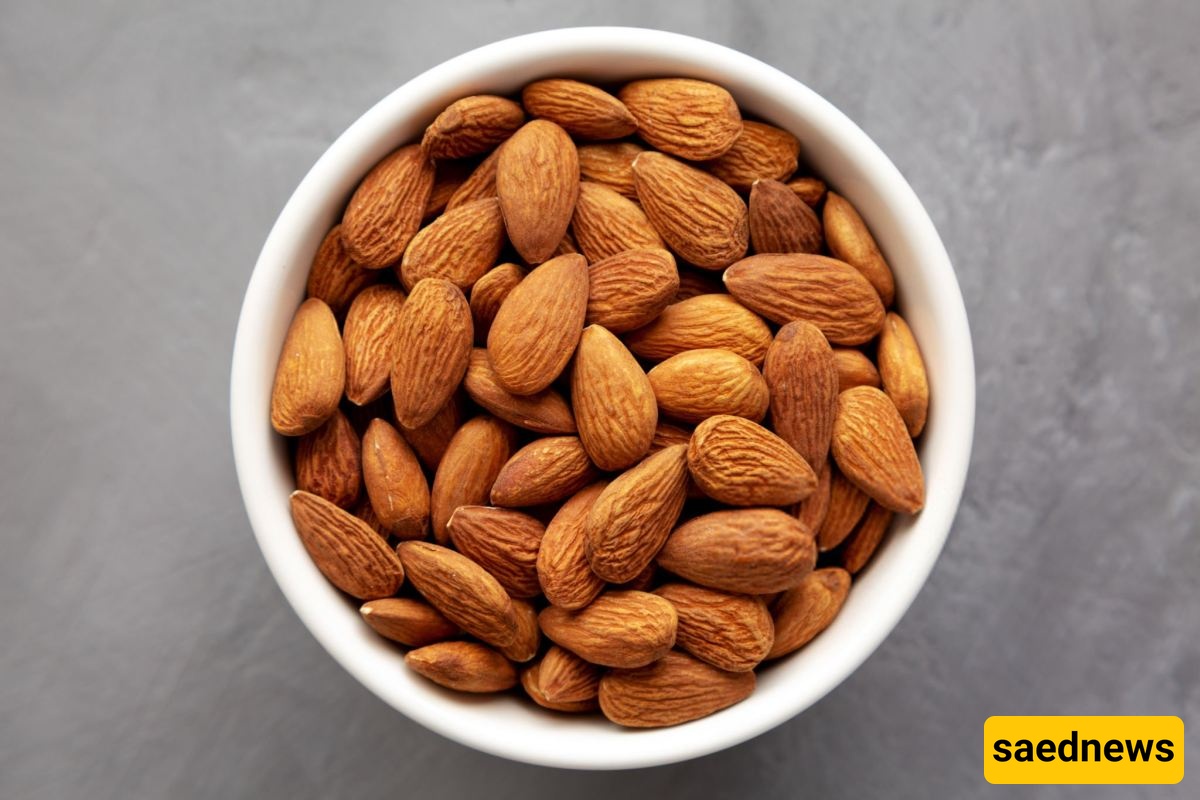
Almonds are among the common tree-nut allergens. Anyone with an almond allergy should avoid consuming them.
People with kidney disease who need to limit potassium or phosphorus intake should consult their healthcare provider before increasing almond consumption.
Those following a low-fiber diet may also need to introduce almonds gradually.
If you have an underlying medical condition or specific dietary restrictions, consult a physician or registered dietitian before making significant dietary changes.
Almonds can be a valuable addition to a healthy weight-loss diet. Their combination of protein, fiber, healthy fats, and essential nutrients may help control hunger, support blood sugar regulation, improve dietary quality, and contribute to better body composition.
However, their effectiveness depends on portion size and overall calorie balance.
Eating approximately 15–23 almonds a day, preferably as a replacement for less nutritious snacks, is a practical way to enjoy their benefits without significantly increasing your calorie intake.
The real secret is not simply eating almonds, but making them part of a balanced and sustainable approach to weight management.