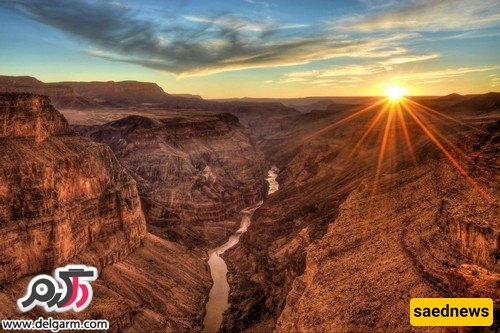
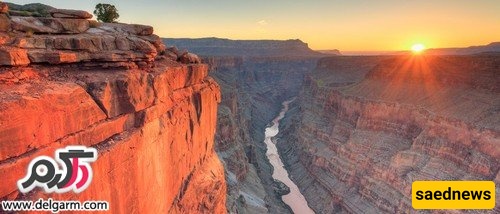
SAEDNEWS: Grand Canyon, a Natural Wonder in Arizona, USA – An Introduction to the Grand Canyon, Its Stunning Landscapes, and Photos of the Grand Canyon.
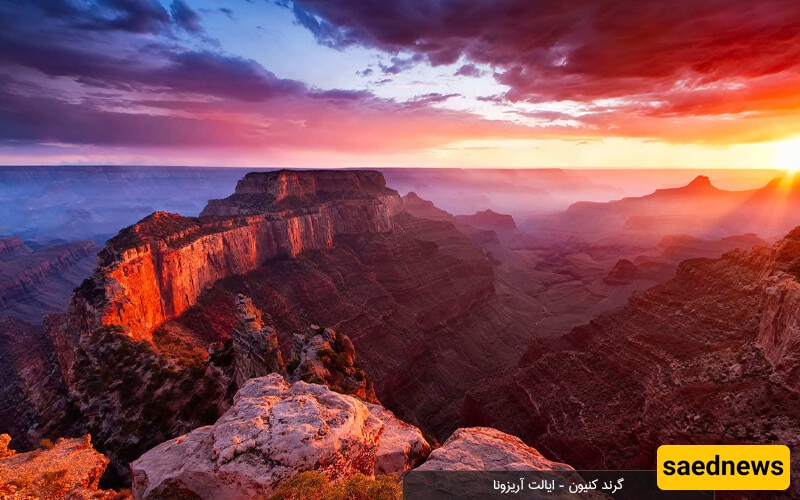
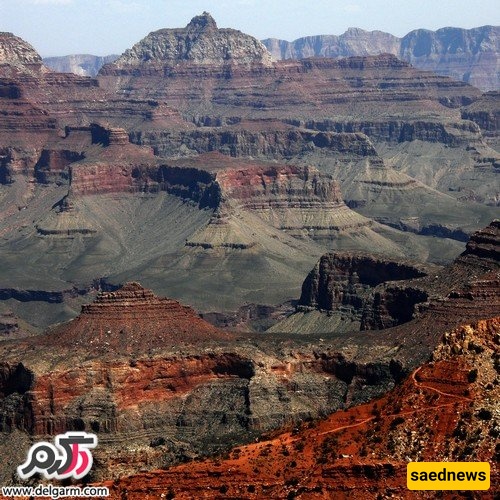
According to Saednews, The Grand Canyon is one of the most spectacular natural attractions in the United States. Located in Arizona, this magnificent landscape is famous for its immense size, colorful rock formations, fascinating geological history, and breathtaking scenery.
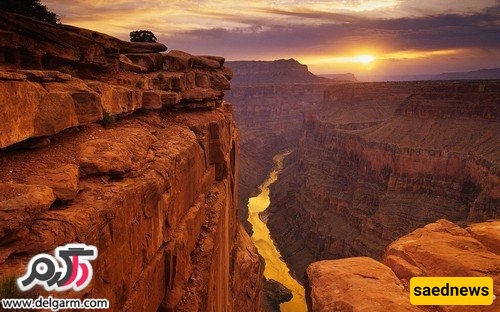
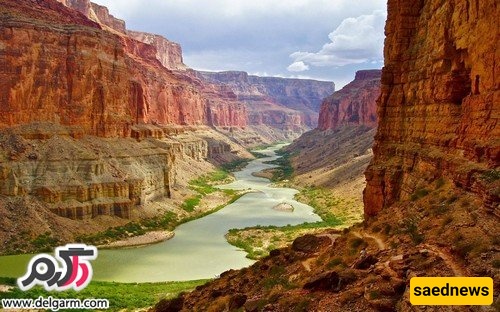
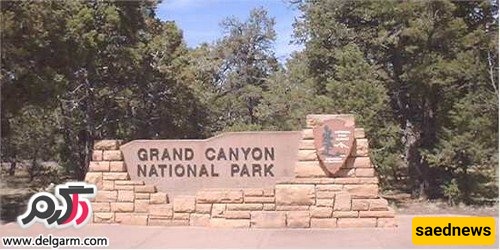
The Grand Canyon is a vast canyon carved by the Colorado River in the state of Arizona, USA. A large portion of the canyon lies within Grand Canyon National Park, one of the earliest national parks established in the United States.
The Grand Canyon stretches approximately 277 miles (446 kilometers) in length, reaches a width of up to 18 miles (29 kilometers), and has a maximum depth of about one mile (6,000 feet or 1,800 meters).
The canyon was formed primarily through millions of years of erosion caused by the Colorado River, along with the effects of weathering and other geological processes. Scientists continue to study various aspects of its geological formation.
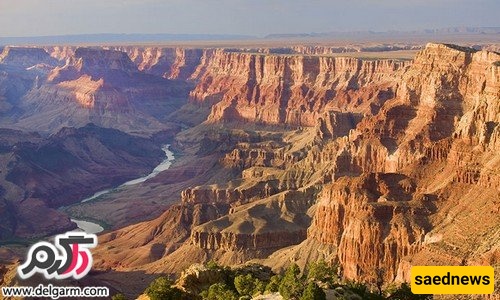
Located in Arizona, the Grand Canyon is a remarkable natural landscape through which the Colorado River flows. Much of the canyon is protected within Grand Canyon National Park, one of America's oldest national parks.
With a depth of approximately 1,800 meters and a length of 446 kilometers, the canyon is among the country's most important tourist destinations. Millions of years of erosion by the Colorado River, combined with sunlight and natural weathering, have created some of the world's most breathtaking landscapes.
Long before Europeans arrived in North America, the Grand Canyon was home to Native American communities. Indigenous peoples established settlements within the canyon, built homes in caves and rock shelters, and developed a deep cultural and spiritual connection with the region.
The Pueblo people, in particular, regarded the canyon as a sacred place.
The first recorded European to reach the Grand Canyon was the Spanish explorer García López de Cárdenas, who arrived in 1540. Later, American explorer John Wesley Powell also became famous for his expeditions through the canyon.
Today, several Native American communities maintain their historical and cultural connections to the Grand Canyon region.
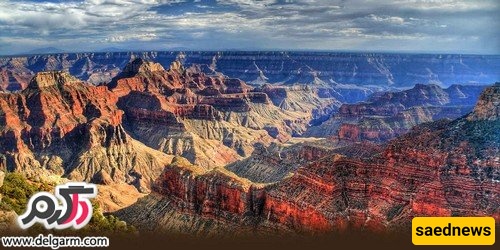
The Grand Canyon is one of America's most popular tourist destinations, attracting millions of visitors every year. Its spectacular viewpoints, particularly along the South Rim, offer unforgettable views of the canyon's immense cliffs, colorful rock formations, and winding river.
Despite its popularity, visitors can also discover peaceful and less crowded areas throughout the park.
Hiking down to the bottom of the Grand Canyon is a challenging experience that requires excellent physical fitness and careful preparation.
Because of the canyon's considerable depth and extreme temperatures, descending into its lower sections can be physically demanding. Temperatures generally increase as visitors move farther down into the canyon, making proper hydration, suitable equipment, and careful planning essential.
The journey offers hikers an extraordinary opportunity to experience the canyon's geological formations and natural beauty up close.
Location: Arizona, United States.
Length: Approximately 277 miles (446 kilometers).
Maximum width: Approximately 18 miles (29 kilometers).
Maximum depth: Around 6,000 feet (1,800 meters).
River: Colorado River.
National park: Grand Canyon National Park.
First recorded European visitor: García López de Cárdenas, in 1540.
Indigenous heritage: The region has been inhabited by Native American peoples for thousands of years.
The Grand Canyon remains one of the world's most extraordinary natural wonders, combining millions of years of geological history with breathtaking scenery and a rich cultural heritage. Its enormous cliffs, fascinating rock formations, and unique natural environment make it an unforgettable destination for travelers, nature enthusiasts, and adventure seekers.