SAEDNEWS: Peanuts for Facial Weight Gain: Benefits, How They Work, Best Ways to Eat Them, Recommended Intake, and Common Mistakes
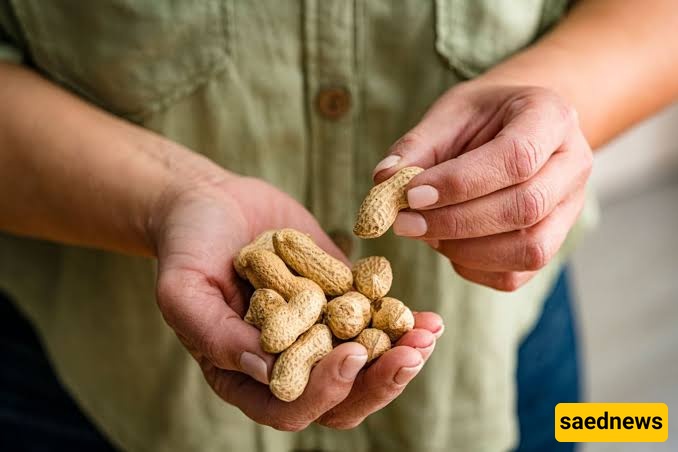
According to Saednews, Achieving a fuller, more balanced facial appearance is a common concern among people who are underweight or naturally have thin faces. Certain foods attract attention because of their high calorie and nutrient content, and peanuts are among the most popular and accessible options.
Peanuts are often associated with weight gain and increased body volume, including facial fullness. But what are the actual benefits of peanuts for facial fullness, and how effective are they in helping you achieve a plumper-looking face?
The short answer is that peanuts are not a miracle solution for gaining fat specifically in the face. Facial fat cannot be increased selectively by eating a particular food.
However, peanuts contain a good amount of calories, plant-based protein, healthy fats, and essential micronutrients. When included in a balanced, calorie-rich diet, they can support gradual and healthy weight gain.
Since overall weight gain is one of the main ways to potentially achieve a fuller face, let's explore the topic in more detail.
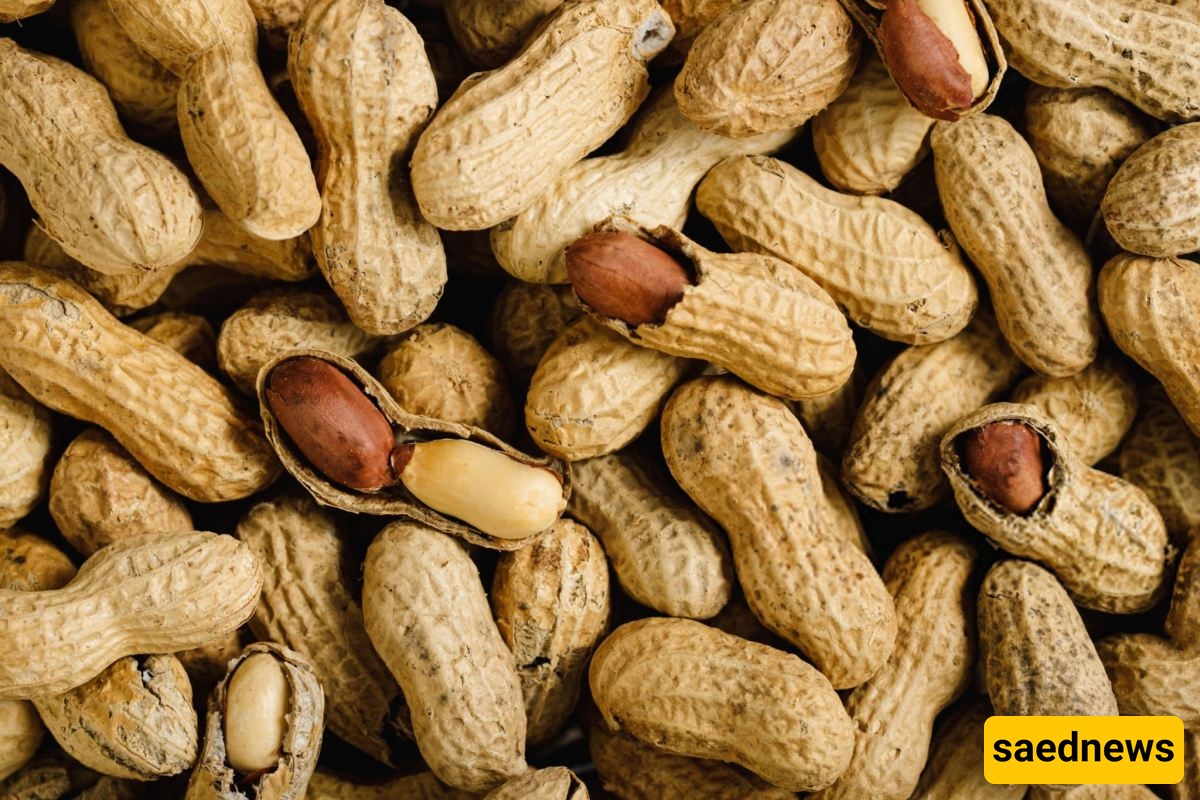
Before discussing the benefits of peanuts for facial fullness, it is important to understand the factors that influence facial volume and appearance.
Facial shape depends on a combination of bone structure, muscle mass, the amount of subcutaneous fat, hydration levels, and genetic factors.
Some people naturally store more fat around their cheeks, while others may notice very little facial change even after gaining weight.
It is important to understand that spot weight gain or spot fat loss is not possible. In other words, eating peanuts alone cannot direct fat specifically to your face.
To achieve a fuller face, overall body weight generally needs to increase gradually and in a controlled manner.
Getting more calories than your body burns, consuming enough protein, engaging in appropriate physical activity, and getting adequate sleep all play important roles.
Peanuts can be a useful addition to this plan by providing calories and nutrients, but they are not a substitute for a well-balanced diet.
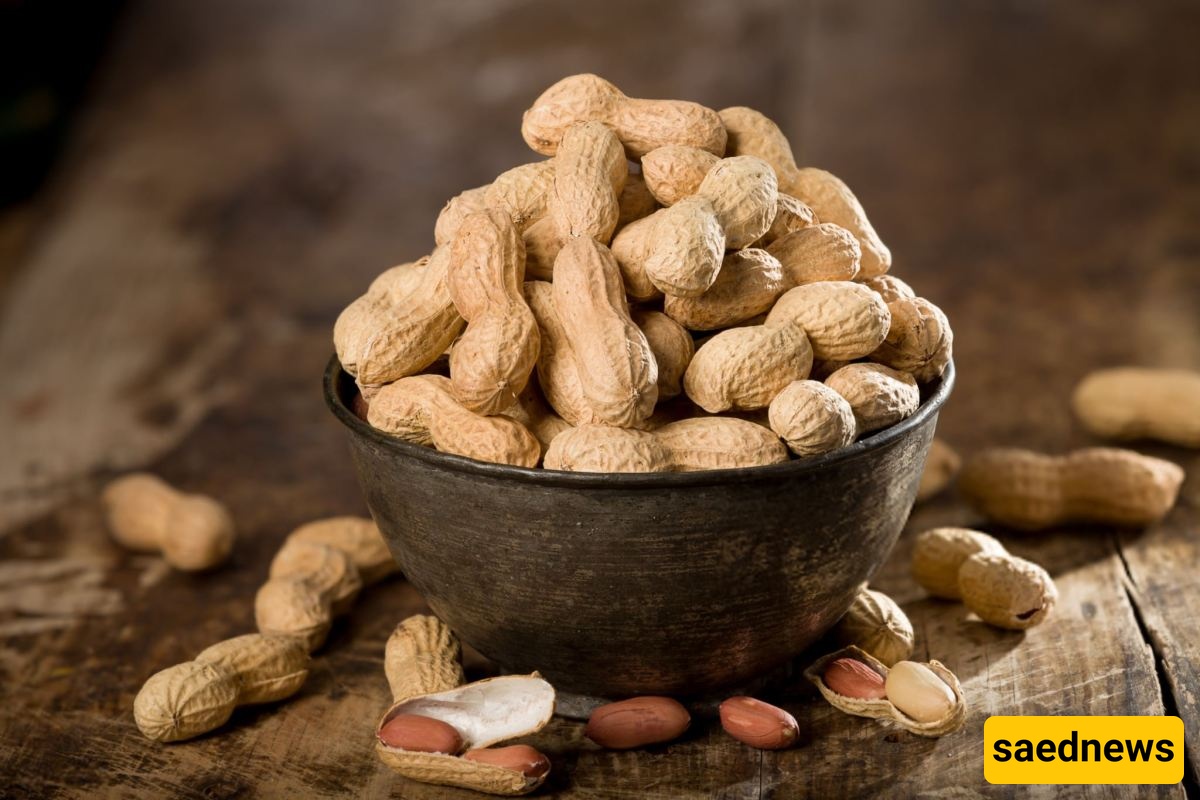
One of the most important benefits of peanuts for facial fullness is their relatively high calorie content.
People who want to gain weight generally need to consume more energy than their bodies use. Because peanuts provide a lot of energy in a relatively small serving, they make a convenient snack for this purpose.
Eating a handful of peanuts between meals can easily contribute to your daily calorie intake.
However, calorie intake should be increased gradually and in a controlled manner to allow the body to adjust and support healthy weight gain.
Suddenly consuming large quantities of peanuts may cause digestive discomfort and lead to excessive fat and calorie intake.
Peanuts contain a considerable amount of plant-based protein.
Protein is essential for tissue repair, maintaining muscle mass, and improving body composition. The face also contains muscles that contribute to its shape and volume.
When weight gain is accompanied by adequate protein intake and appropriate physical activity, some of the additional body mass can come from muscle rather than fat alone.
However, peanut protein is not a complete protein source on its own. It is best combined with other protein-rich foods such as dairy products, eggs, legumes, and meat.
Nevertheless, peanuts can make a valuable contribution to daily protein intake, especially in vegetarian and semi-vegetarian diets.
Most of the fat in peanuts consists of unsaturated fats.
Healthy fats are important for providing energy, absorbing fat-soluble vitamins, and supporting skin health.
Facial skin also needs beneficial fats and antioxidants to maintain softness, elasticity, and a healthy appearance.
Therefore, the benefits of peanuts for facial fullness can also be considered in terms of improving overall dietary quality and supporting skin health.
However, high fat content does not mean peanuts should be consumed without limits. Maintaining a balance between fats, proteins, and carbohydrates is essential.
Raw or dry-roasted peanuts without added salt or sugar are generally healthier choices than heavily salted, fried, or coated varieties.
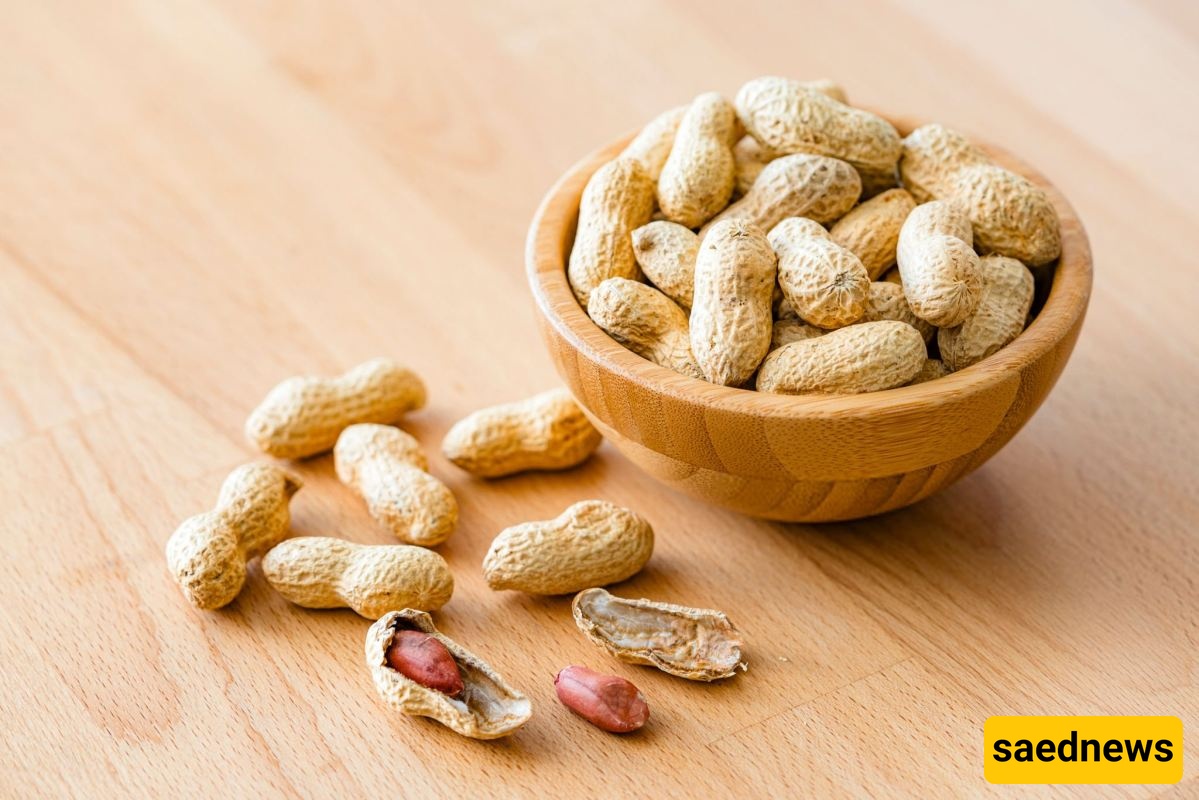
Peanuts contain vitamin E, niacin, and several minerals that contribute to skin health.
Vitamin E is an important antioxidant that helps protect cells against oxidative damage.
Niacin also plays a role in energy metabolism and maintaining healthy skin.
However, these nutrients are only part of what contributes to skin appearance. Without adequate sleep, proper hydration, and a balanced diet, their benefits may be limited.
Peanuts contain a reasonable amount of dietary fiber.
Fiber supports digestive health and helps maintain balanced blood sugar levels.
For people trying to gain weight, the fiber in peanuts can make them a satisfying snack. However, consuming excessive amounts may cause stomach heaviness because of their combined fiber and fat content.
Eating moderate portions alongside other foods is the best approach.
One practical advantage of peanuts is how easily they can be incorporated into different meals and snacks.
They can be eaten raw, roasted, or as natural peanut butter. They can also be added to smoothies, oatmeal, salads, or enjoyed as a simple snack.
This versatility makes it easier for people who need additional calories to include peanuts in their daily eating routine.
Consistency is particularly important when following a weight-gain diet.
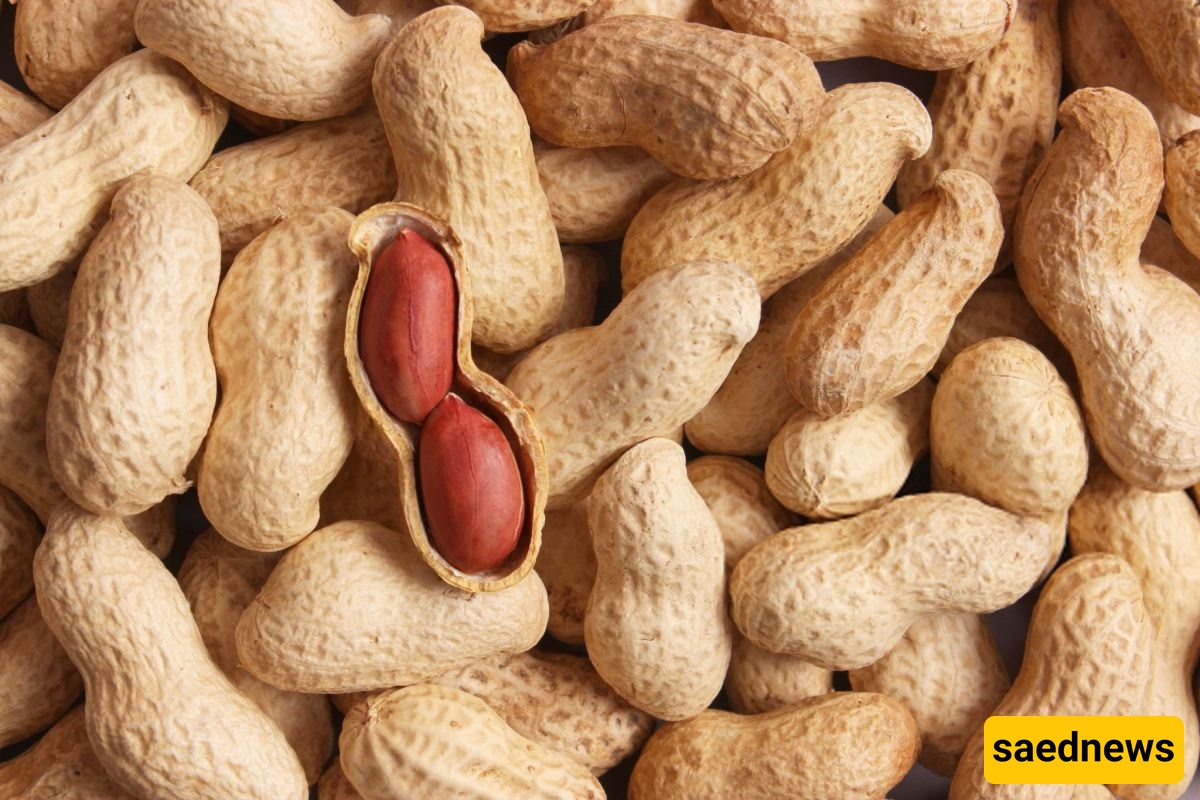
As mentioned earlier, peanuts do not directly or selectively increase facial fat.
Their main mechanism is providing calories and nutrients that can help create a healthy calorie surplus.
When you consistently consume more energy than your body burns, your overall body weight increases. Some of this additional weight may also become noticeable in your face.
However, the extent of facial changes depends on genetics, age, sex, and individual fat distribution patterns.
In addition, consuming sufficient protein alongside resistance training can help maintain and build muscle mass.
Facial muscles are also influenced by activity and nutrition, although the effectiveness of facial exercises for increasing facial volume remains limited and debated.
Overall, the benefits of peanuts for facial fullness are indirect. They can support healthy weight gain and improve dietary quality, while gradual weight gain may contribute to a fuller-looking face.
To get the most benefit from peanuts, the quality and quantity of consumption matter.
It is generally recommended to choose raw or dry-roasted peanuts without added salt or sugar.
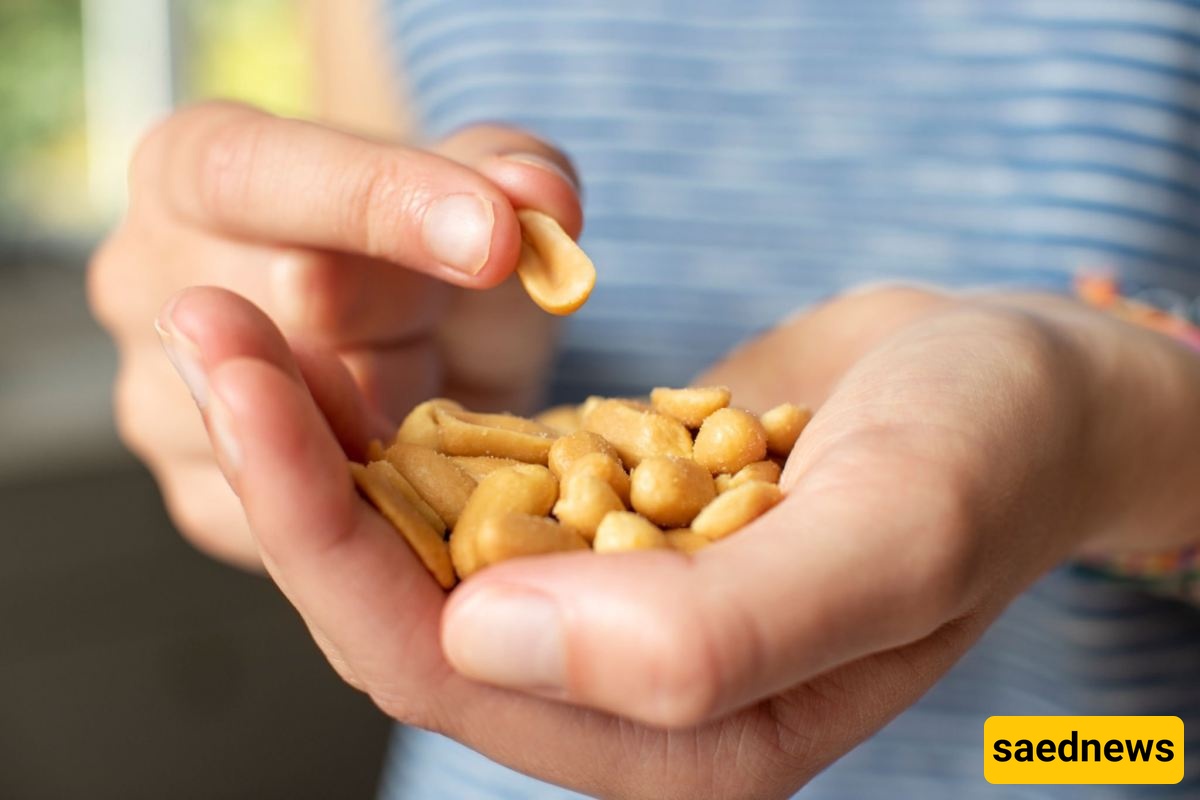
A moderate daily portion is approximately 30–40 grams, although the ideal amount depends on individual calorie requirements and digestive tolerance.
It is best to start with a smaller portion and gradually increase it to give your digestive system time to adjust.
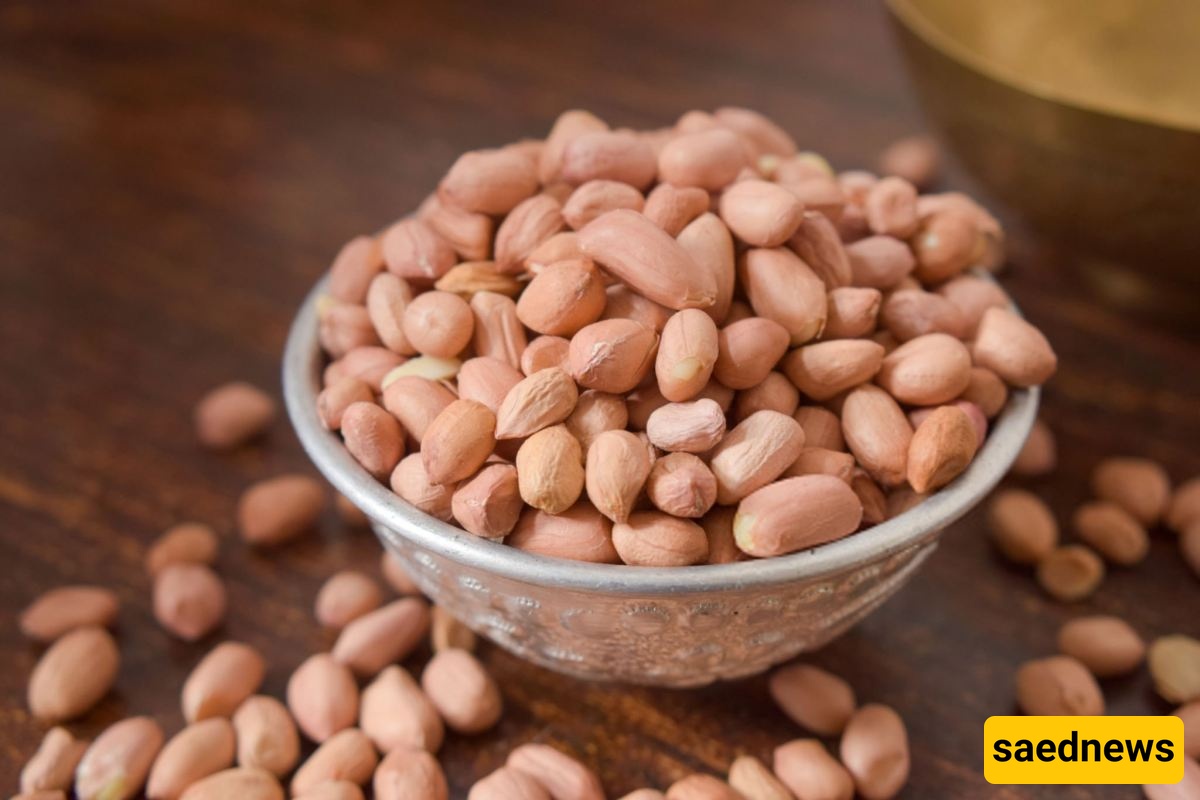
To benefit from peanuts as part of a weight-gain plan, they should be included in a balanced, calorie-rich diet rather than used as your only source of nutrition.
Here are some practical ways to consume them:
Simple snack: Eat approximately 20–30 grams of unsalted roasted peanuts with fruit, yogurt, or milk.
Natural peanut butter: Add one or two tablespoons of peanut butter without added sugar to smoothies, porridge, whole-grain bread, or fruit.
High-calorie smoothie: Combine milk or yogurt, banana, oats, and a little peanut butter. This combination provides calories and protein and is easy to consume.
Add them to main meals: Sprinkle chopped peanuts over salads, soups, omelets, stews, or rice and legume dishes.
Mixed nuts: Combine peanuts with almonds, walnuts, and pistachios to increase dietary variety and provide different nutrients.
Consume with fluids: People who experience mouth dryness or a heavy feeling after eating peanuts may find it more comfortable to have them with water or lightly brewed tea.
People with sensitive stomachs may benefit from eating smaller portions alongside their main meals.
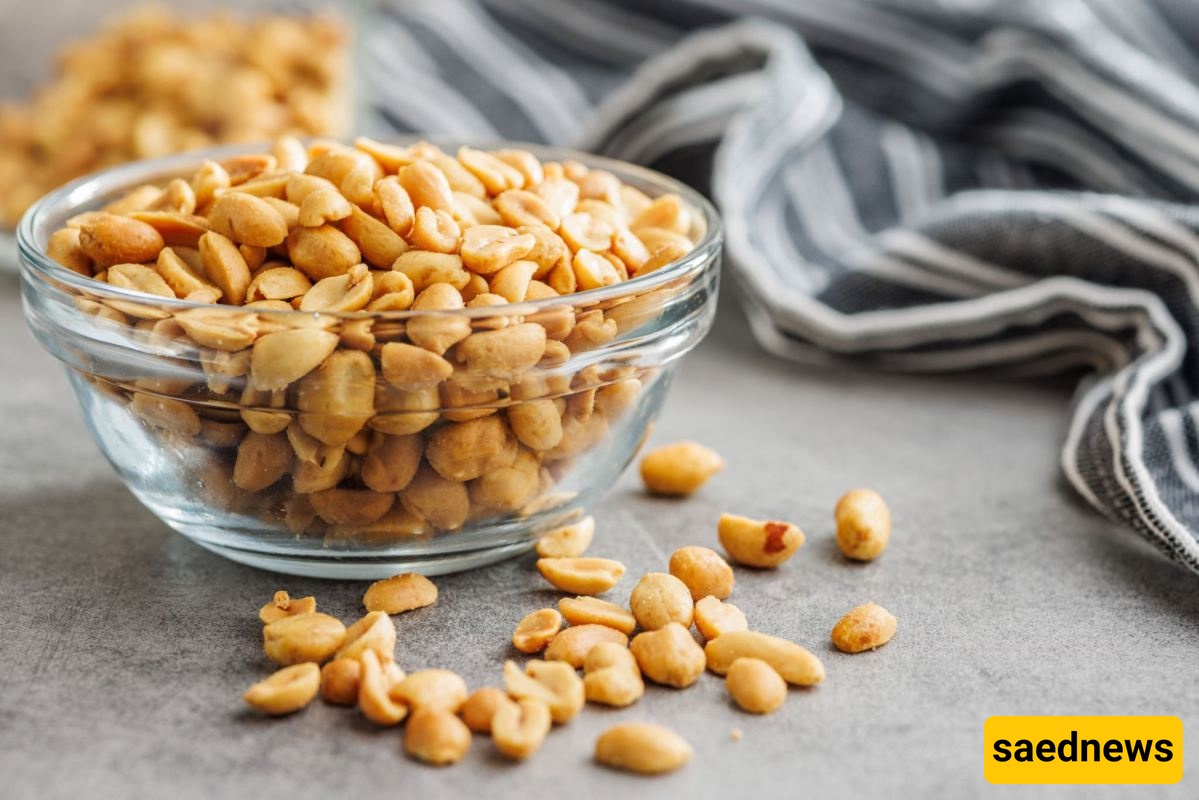
Raw or dry-roasted peanuts without added salt or sugar are generally healthier than heavily salted, fried, or coated varieties.
Expecting fast, localized results: Peanuts cannot make your face gain fat specifically. Facial fullness may increase as a result of overall weight gain.
Eating excessive amounts: Peanuts are calorie-dense and high in fat. Overconsumption may cause bloating, stomach discomfort, diarrhea, and excessive calorie intake.
Choosing salted or sugary varieties: Salted, fried, or sugar-coated peanuts often contain additional sodium, oils, and sugar and are not the healthiest options.
Replacing main meals: Peanuts should complement your diet rather than replace balanced meals.
Ignoring protein and physical activity: Healthy weight gain requires adequate protein and appropriate exercise. Otherwise, you may gain unwanted fat without maintaining good overall body composition.
Peanut allergy: Peanuts are among the most common food allergens. Even a small amount can be dangerous for someone with a peanut allergy. Severe symptoms such as facial or throat swelling, difficulty breathing, or a drop in blood pressure require immediate medical attention.
Aflatoxin contamination: Improperly stored peanuts exposed to moisture may develop mold and aflatoxins. Store peanuts in a cool, dry place and avoid products that show signs of mold or have an unpleasant smell or taste.
Salt and additives: People with high blood pressure, heart disease, or kidney disease should limit their consumption of heavily salted peanuts.
Choking hazard in children: Whole peanuts pose a choking risk for young children. Smooth or diluted peanut butter is generally a more suitable alternative.
Certain medical conditions: People with digestive, kidney, or liver problems, or those following a medically prescribed diet, should consult a doctor or dietitian about appropriate portion sizes.
Peanuts are only one part of the overall picture. If your goal is to achieve a fuller-looking face while gaining weight healthily, consider the following recommendations:
Gradually increase daily calories: Consume slightly more energy than your body needs on a consistent and controlled basis.
Get enough protein: Include foods such as eggs, dairy products, legumes, meat, fish, and nuts.
Do resistance training: Strength training helps maintain and build muscle mass while improving overall body composition.
Get adequate sleep: Poor sleep can interfere with healthy weight management and skin health.
Stay properly hydrated: Drinking enough water supports skin health and normal metabolic functions.
Manage stress: Chronic stress can affect appetite, digestion, and skin health.
Maintain dietary variety: Relying only on peanuts for an extended period can result in an unbalanced diet.
If facial thinning occurs suddenly or is accompanied by symptoms such as unexplained weight loss, fever, night sweats, persistent digestive problems, changes in appetite, severe fatigue, or signs of an eating disorder, it is important to seek medical evaluation.
Similarly, if you have thyroid disease, diabetes, digestive disorders, or a history of severe allergies, discuss your dietary plan with a doctor or registered dietitian.
Peanuts can be a nutritious addition to a healthy weight-gain diet because they provide calories, plant-based protein, healthy fats, vitamins, and minerals.
Although they cannot directly increase facial fat, they may support gradual overall weight gain, which can contribute to a fuller facial appearance in some people.
For the best results, consume peanuts in moderate portions, combine them with other nutritious foods, maintain adequate protein intake, exercise regularly, and prioritize sleep and hydration.
The key is to focus on healthy, gradual weight gain rather than expecting one particular food to change your facial shape.