SAEDNEWS: Juice is a popular beverage, but its quality, taste, and safety depend on maintaining the right temperature. This guide explores the ideal temperature for serving and storing juice, the risks of improper temperatures, and practical tips for safe serving.
According to Saednews, Juice is a popular beverage in many households, but its quality, flavor, and safety depend on more than the type of fruit or brand. Temperature plays an important role in preserving vitamins, slowing microbial growth, and maintaining the juice's natural taste. Many people drink juice at whatever temperature is convenient or leave it unrefrigerated for extended periods. However, following a few simple guidelines can help preserve nutrients and reduce the risk of foodborne illness.
The ideal serving temperature for juice is generally between 4°C and 8°C (39°F and 46°F). Freshly squeezed and opened juice should typically be refrigerated at 0°C to 4°C (32°F to 39°F). Juice should not be left at room temperature for extended periods, as temperatures between 5°C and 60°C (41°F and 140°F) can encourage microbial growth. Understanding the right temperature for different types of juice can help you enjoy it safely and at its best.
Juice temperature affects three main factors: food safety, nutritional value, and flavor.
Fresh juice, especially homemade and unpasteurized varieties, can provide an environment for microorganisms to grow. Improper storage increases the risk of spoilage and foodborne illness.
Heat and light can also damage sensitive vitamins, particularly vitamin C. Storing juice at high temperatures or heating it excessively may reduce its nutritional value. On the other hand, serving juice too cold can mute the flavor and aroma of some fruits, while warm juice may lose its refreshing quality.

Although the ideal serving temperature depends on the type of juice and personal preference, a range of 4°C to 8°C (39°F to 46°F) generally provides a refreshing balance between coolness and flavor.
Juice served directly from the refrigerator is usually at a suitable temperature. If it is extremely cold, allowing it to sit briefly before serving may help its natural flavors become more noticeable.
However, juice should not be so cold that it causes discomfort for children, people with sensitive teeth, or those who experience digestive discomfort from very cold beverages.
Fresh, natural juice is best consumed soon after extraction. If you need to store it, place it in a sealed container in the refrigerator and avoid leaving it at room temperature before serving.
For the best quality, keep fresh juice away from direct light and minimize its exposure to air.
The storage temperature is even more important than the temperature at which juice is served.
Homemade fresh juice should be refrigerated at 0°C to 4°C (32°F to 39°F). Store it in a sealed, food-safe glass or plastic container, preferably away from light.
Fresh homemade juice is best consumed within 24 hours. Some varieties may remain acceptable for up to 48 hours under proper refrigeration, but consuming them sooner is preferable.
Unopened commercially packaged juice generally does not require refrigeration if it is shelf-stable, unless the label specifies otherwise. Once opened, many pasteurized juices must be refrigerated at approximately 4°C (39°F) and consumed within three to five days. Always follow the storage instructions on the packaging.
Avoid leaving juice in a warm car, on a countertop, or in other hot environments. Perishable juice left at room temperature for more than two hours should generally be discarded. In temperatures above 32°C (90°F), the safe limit drops to one hour.
Thawed juice should not be refrozen if doing so would compromise its safety or quality.
Fresh juice is often unpasteurized, making proper refrigeration particularly important. Pasteurization uses controlled heat treatment to reduce harmful microorganisms and extend shelf life. However, pasteurized juice still requires refrigeration after opening if the packaging instructions indicate it.
Cold-pressed juice is extracted using a process designed to minimize heat exposure. Unless it has undergone a validated treatment that makes it shelf-stable, it must be refrigerated and consumed by its stated use-by date.
Regardless of the type, opened juice should be stored according to its label. Even pasteurized juice can spoil if left in unsuitable conditions.
Juice is usually enjoyed chilled, particularly during warm weather. However, excessive cold can make some fruit flavors less noticeable.
If you prefer warm fruit-based drinks, heat them gently rather than bringing them to a boil. Excessive heat can damage heat-sensitive nutrients, including vitamin C. For some warm fruit beverages, gentle heating to around 40°C to 50°C (104°F to 122°F) may be sufficient.
People with sensitive stomachs, older adults, and children may find slightly chilled juice more comfortable than juice served straight from a very cold refrigerator.
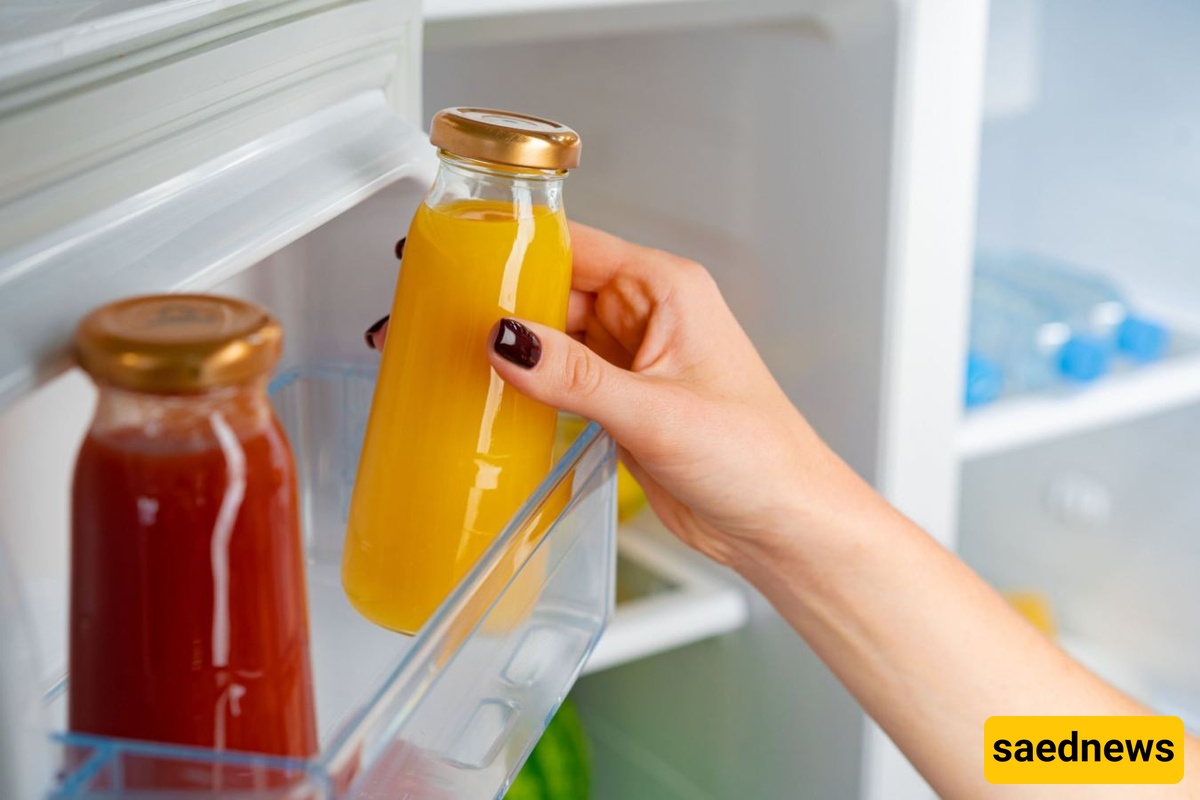
Infants under 12 months should generally not be given fruit juice, according to pediatric nutrition guidance. For older children, juice intake should be limited according to age-appropriate dietary recommendations.
Very cold juice may be uncomfortable for some children, so serving it slightly chilled can be a practical option.
Never leave juice in a feeding bottle or drinking container for extended periods. Discard leftover juice that has been in contact with the child's mouth rather than storing it for later use.
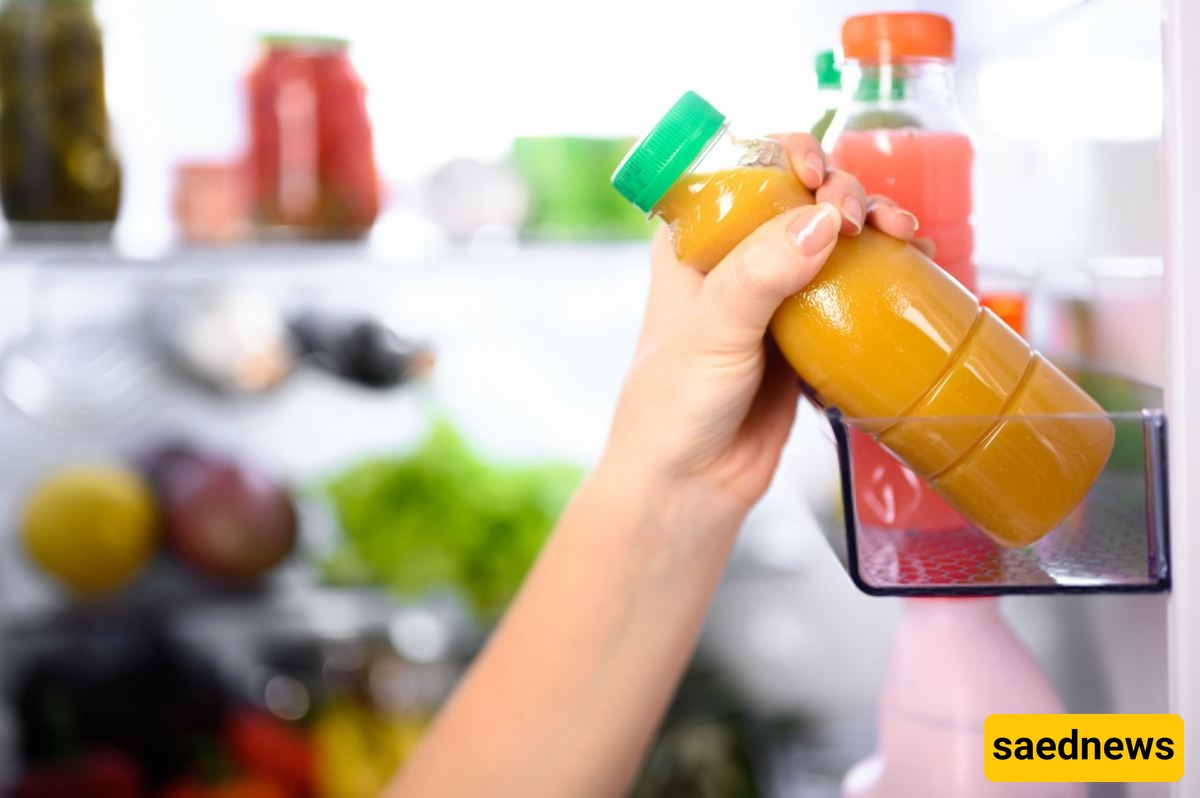
One common mistake is keeping juice in the refrigerator door. Temperatures in the door fluctuate more frequently than in the main compartment. Storing juice on an interior shelf, preferably toward the back, helps maintain a more consistent temperature.
Another mistake is adding ice to fresh juice and leaving it out for hours. As the ice melts, the drink becomes diluted, and its temperature may rise if it remains unrefrigerated.
Microwaving juice is not always ideal because uneven heating can create hot spots. If you want warm juice, heat it gently and stir it thoroughly.
Leaving juice in a hot car or near a heat source also increases the risk of spoilage.
To maintain the proper storage temperature:
Set your refrigerator to approximately 4°C (39°F).
Keep juice in a tightly sealed container.
Label homemade juice with its preparation date and opened commercial juice with the opening date.
During gatherings, keep juice in a container surrounded by ice or return it to the refrigerator promptly.
When traveling, use an insulated cooler with ice packs to keep juice cold.

The ideal temperature for juice depends on whether you are serving it or storing it. A serving temperature of approximately 4°C to 8°C (39°F to 46°F) provides a refreshing drinking experience, while refrigeration at 0°C to 4°C (32°F to 39°F) is recommended for fresh juice and many opened juice products.
Fresh juice should be consumed promptly, and opened commercial juice should be refrigerated according to its packaging instructions. Avoid prolonged exposure to room temperature, excessive heating, and improper storage to help preserve juice quality, flavor, and safety.
By following these simple guidelines, you can enjoy juice that tastes fresh while reducing the risk of spoilage and foodborne illness.