SAEDNEWS: An emotionally reactive mother whose harsh and unstable behavior creates an unhealthy pattern for her child, potentially leading to anxiety and behavioral problems. However, with awareness and proper treatment, this cycle can be broken.
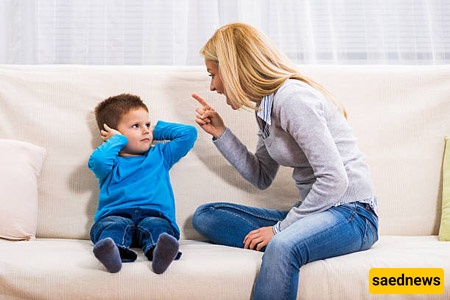
According to Saednews, An emotionally reactive mother may unintentionally expose her child to a pattern of emotional instability, impulsive reactions, and unhealthy ways of coping with stress. Children learn how to interact with the world around them through observation and imitation, a process known as observational learning, described by Bandura. If a mother’s primary response to challenges is anger and aggression, the child may be more likely to internalize similar patterns.
Children often learn more from what we do than from what we say. An emotionally reactive mother may unintentionally teach her child the following lessons:
When a mother screams or throws objects in response to a minor problem, such as water being spilled on the floor, the child may learn that anger and destruction are effective ways to solve problems. They may come to believe that communication and patience are not useful tools.
An angry mother may demonstrate that stress and frustration should be expressed through emotional outbursts. The child may learn to intensify their emotions rather than calm themselves down. Over time, this pattern may contribute to difficulties with emotional regulation.
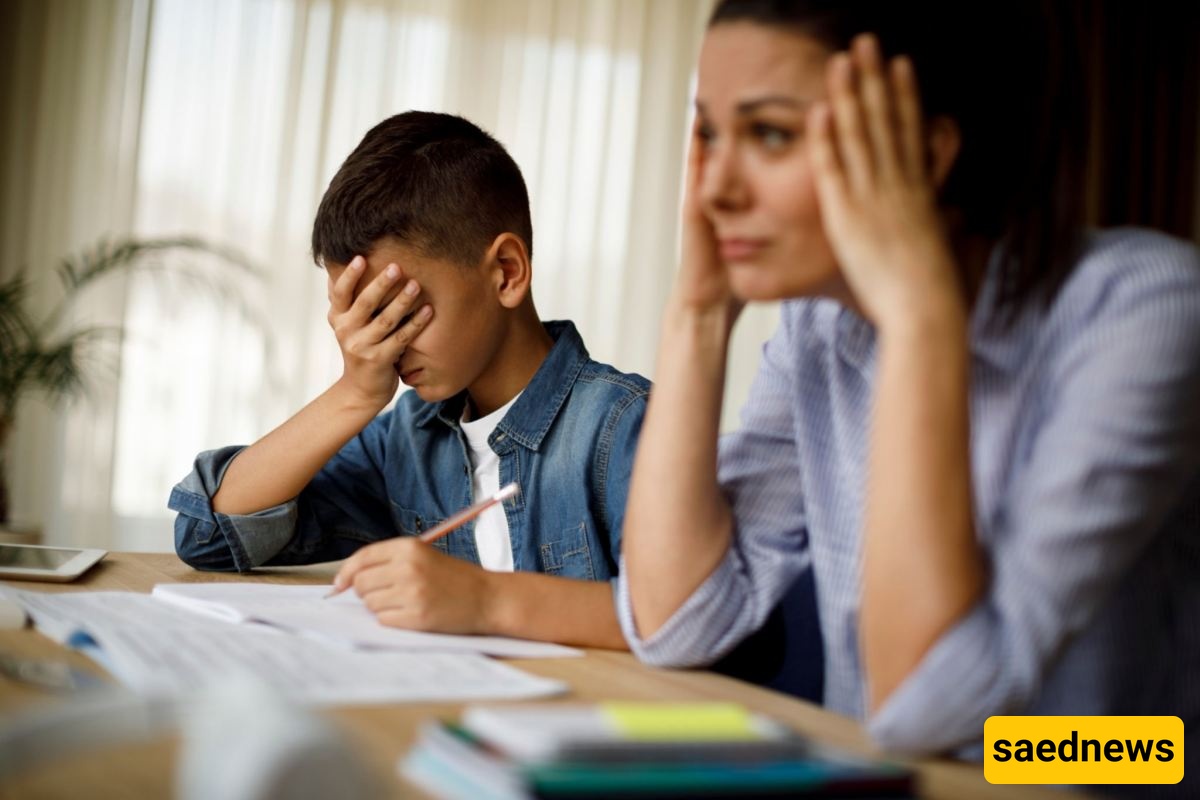
A child who does not know how their mother will react from one moment to the next—whether she will hug them or yell at them—may remain in a constant state of alertness. This can contribute to chronic anxiety and insecurity in attachment.
After becoming angry, an emotionally reactive mother may justify her behavior by saying, “You made me angry,” or simply ignore what happened. This can teach the child to avoid taking responsibility for their own emotions and to blame others instead.
The Harmful Effects on a Child’s Mental Health
Research in clinical psychology has found associations between exposure to high levels of parental anger and a range of emotional and behavioral difficulties in children.
A stressful and unpredictable environment can contribute to prolonged stress responses in children. Over time, this may increase vulnerability to anxiety, panic symptoms, and depression during childhood and later life.
Some children imitate aggressive behavior and may display aggression, defiance, or rule-breaking at home or at school. They may learn that becoming angry is a way to get what they want.
Other children, particularly those with more sensitive temperaments, may turn the anger inward. They may blame themselves, become withdrawn, develop low self-esteem, or, in some cases, engage in self-harming behaviors.
One of the most concerning potential consequences is insecure attachment. A child may begin to perceive their mother not primarily as a source of comfort and safety, but as a source of fear and stress. Insecure attachment patterns can persist into adulthood and affect romantic and marital relationships.
The Intergenerational Cycle of Anger
One of the most difficult aspects of this pattern is the possibility that emotionally reactive behavior can be passed from one generation to the next. A girl who grows up with an angry or emotionally unpredictable mother may internalize some of those behavioral patterns and later repeat them in her own relationships or parenting.
This cycle can develop for several reasons:
Observational learning: She may not have experienced another healthy model for managing anger and stress.
Normalization of aggression: Yelling and aggressive behavior may come to seem like normal parts of close relationships.
Unresolved trauma: A mother who struggles with anger may have experienced difficult or traumatic experiences during her own childhood. Without appropriate support, unresolved difficulties can affect the next generation.
The Role of Fathers and Other Family Members
It is important to remember that the mother is not the only person who influences a child’s development. A supportive and emotionally stable father or another trusted caregiver can provide important protective support.
They can:
Provide the child with a sense of safety and stability.
Model healthy ways of managing anger.
Respond to the mother with empathy while encouraging appropriate professional support.
Unfortunately, in some families, the father may be absent, display similar behaviors, or remain silent and passive when unhealthy behavior occurs.
Practical Ways Mothers and Families Can Break the Cycle
The good news is that these patterns can change. Awareness is an important first step. If you are a mother who feels that your emotional reactions are negatively affecting your child, it is possible to learn healthier ways of responding.
Working with a psychologist or psychiatrist can help address underlying factors associated with persistent anger, such as depression, anxiety, trauma, or bipolar disorder.
Deep breathing, meditation, yoga, or even taking a short walk can help reduce immediate tension and create space before reacting.
When you notice that you are becoming overwhelmed, tell your child, “Mom is very angry right now and needs a few minutes alone to calm down.” Then, if the situation is safe, step into another room. This can prevent escalation while also modeling emotional regulation for the child.
After an angry reaction, apologize instead of making excuses. For example:
“I’m sorry I yelled at you. I shouldn’t have done that. I need to learn to stay calmer.”
This teaches children that making mistakes is part of being human and that mistakes can be acknowledged and repaired.
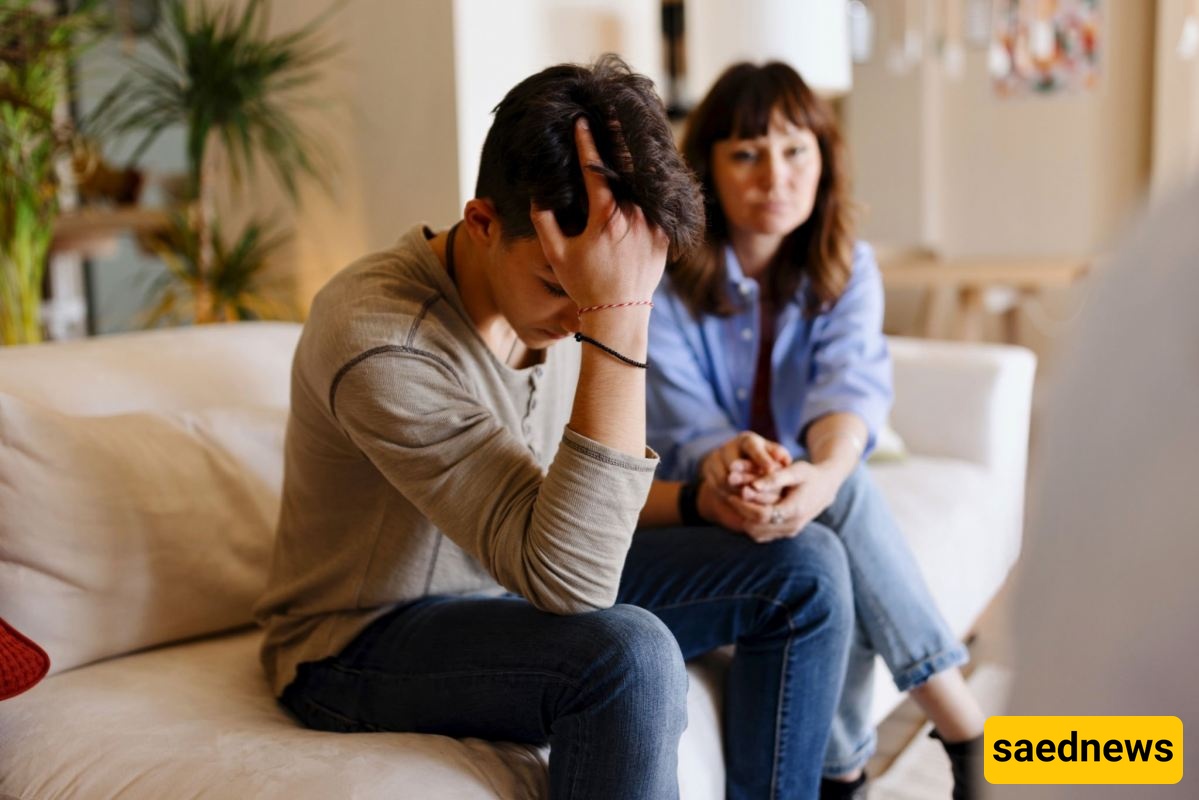
Help children recognize and name emotions. Instead of shouting, say, “I’m feeling very angry right now because I’m running late.”
A predictable daily routine for sleeping, eating, playing, and other activities can give children a greater sense of safety and predictability and may reduce anxiety.
Let your child know that they can talk to you about their feelings without being judged.
Rather than focusing primarily on negative behavior, notice and praise your child when they are calm, cooperative, or communicate their feelings appropriately.
If a child shows significant anxiety, aggression, withdrawal, or other concerning changes in behavior, consider seeking help from a qualified child mental-health professional. Play therapy can be one approach used with children, depending on their individual needs.