SAEDNEWS: A simple washing machine cleaning routine can remove detergent residue, dirt, and unpleasant odors using basic household supplies and the right cleaning steps.
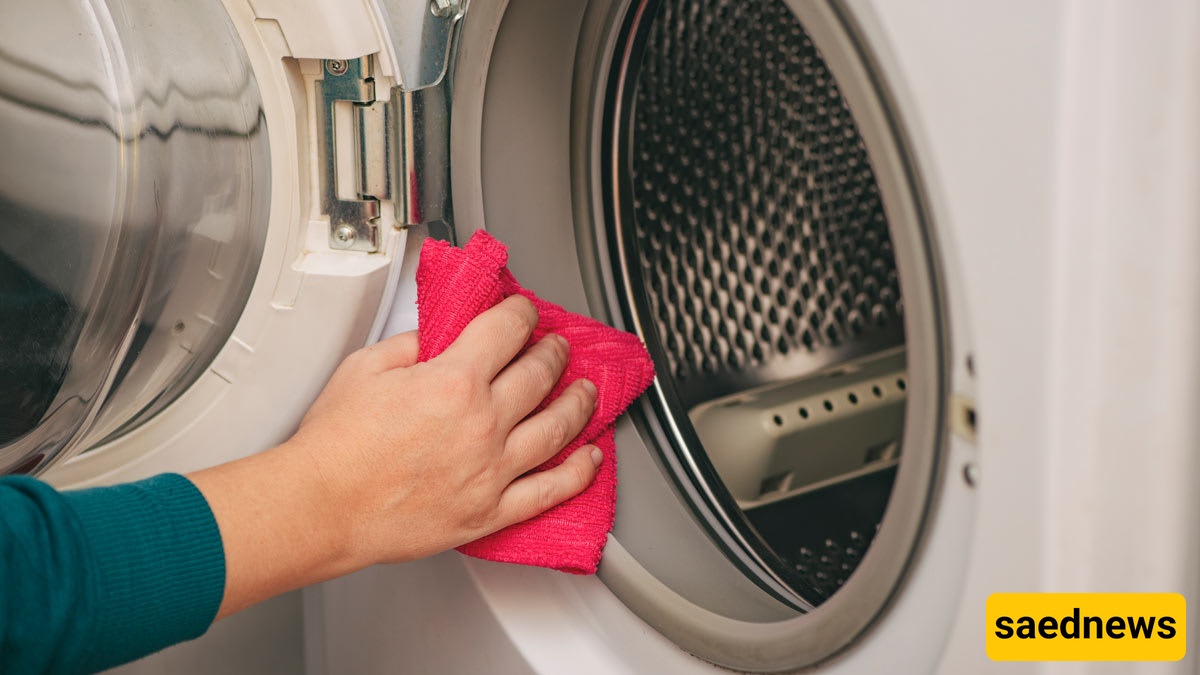
According to SAEDNEWS, a washing machine can gradually collect detergent residue, lint, dirt, and moisture around the drum, door seal, detergent drawer, and other parts. Regular cleaning helps keep these areas fresh and prevents residue from building up. Fortunately, you do not need a complicated collection of specialized products to maintain a cleaner machine.
Empty the washing machine
Make sure there are no clothes inside before starting. Check the drum for small items, lint, or other debris.
Clean the detergent drawer
Remove the drawer if possible and rinse it with warm water. Use an old, soft toothbrush to loosen dried detergent from corners and narrow sections. Allow the drawer to dry before replacing it.
Wipe the door and rubber seal
For front-loading machines, gently pull back the rubber seal and remove hair, lint, and visible residue. Wipe the seal and inside of the door with a clean, damp cloth. Dry the area afterward, since trapped moisture can contribute to unpleasant smells.
Run an empty cleaning cycle
Check the washing machine manufacturer's instructions first and use the machine's cleaning cycle if it has one. If no specific cleaning cycle is available, follow the manufacturer's guidance for an appropriate empty hot wash. Avoid adding random mixtures of household cleaners, as some products should never be combined.
Clean the exterior
Wipe the control panel, lid or door, and other accessible surfaces with a slightly damp cloth. Dry them afterward to prevent moisture from remaining around buttons or openings.

A few simple habits can reduce residue between deeper cleanings:
Leave the door or lid slightly open after washing when the machine design allows it.
Remove damp laundry soon after the cycle finishes.
Avoid using more detergent than the product and machine instructions recommend.
Wipe away spills around the detergent drawer.
Check the rubber seal and detergent compartment periodically.
Keeping the machine ventilated between washes is particularly useful because a closed, damp interior can stay humid for a long time. If an unusual odor remains after cleaning, check the manufacturer's instructions for the filter, drain area, or other components that are intended to be cleaned by the user.
More cleaning products do not necessarily mean better results. Mixing household cleaners can create unwanted chemical reactions, while some products may damage machine components. The safest approach is to follow the washing machine manufacturer's cleaning instructions and use only products specifically recommended for the appliance.
A straightforward routine of wiping accessible areas, rinsing the detergent drawer, removing residue from the seal, and running the appropriate empty cleaning cycle can keep a washing machine cleaner without turning maintenance into a complicated task.