SAEDNEWS: Stress can trigger physical responses that make some people move more than usual. Walking may help the body regulate tension and emotions during stressful moments.
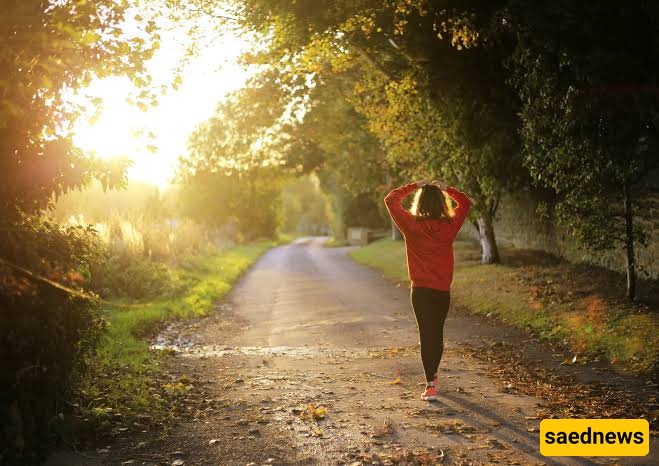
According to SAEDNEWS, some people find themselves walking back and forth more often when they experience stress, anxiety, or emotional pressure. This behavior is not simply a habit; it can be connected to the body’s natural response to stressful situations. Movement may become a way for the brain and body to manage increased arousal and prepare for action.
When a person feels stressed, the body activates the stress response system, which can increase alertness, heart rate, and muscle readiness. This physical state may create a feeling of restlessness or a need to move. For some individuals, walking becomes an automatic response that helps release built-up energy.
People may walk more during stressful situations because:
• Their body has increased physical tension
• Movement helps them feel more in control
• Walking provides a way to process thoughts and emotions
• Repetitive motion may have a calming effect for some people

Walking is a rhythmic activity that involves repeated movements and steady breathing patterns. For some people, this rhythm can help reduce feelings of tension and create a sense of calm. Physical activity is also associated with changes in brain chemicals involved in mood regulation, although the effects can vary between individuals.
Stress-related walking may also provide mental space. A person who walks while thinking may find it easier to organize thoughts, consider solutions, or cope with difficult emotions.
The human stress response developed as a way to prepare the body to respond to challenges. Although modern stressors are often not physical threats, the body can still produce energy and alertness. Walking or pacing may be one way some people use that extra energy.
However, not everyone responds to stress in the same way. While some people become more active, others may feel tired, quiet, or prefer to remain still.
Occasional walking during stressful moments is usually a normal behavior. However, if restlessness becomes intense, happens frequently without a clear reason, or interferes with daily activities, it may be useful to discuss it with a healthcare professional.
Signs that stress-related movement may be affecting daily life can include:
• Difficulty sitting still for long periods
• Feeling constantly overwhelmed or unable to relax
• Sleep problems related to ongoing stress
• Persistent worry that affects normal routines
Understanding personal reactions to stress can help people recognize their own coping patterns. For some, a short walk can be a simple way to release tension, clear the mind, and create a moment of calm during challenging situations.