SAEDNEWS: Walking can sometimes support thinking by helping regulate attention, reduce mental tension, and encourage the flow of ideas.
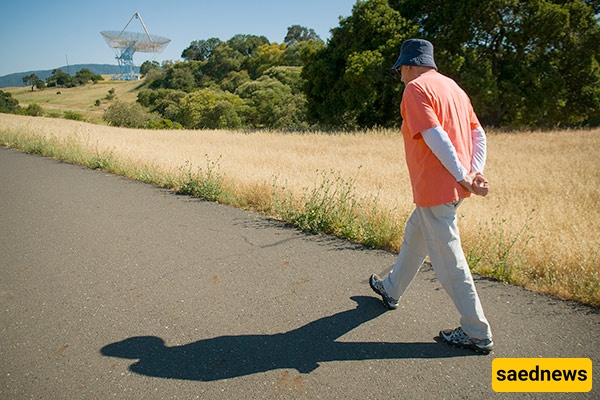
According to SAEDNEWS, walking while thinking is a common behavior and does not necessarily indicate restlessness or an inability to concentrate. For some people, gentle movement seems to make mental tasks feel easier. Research on movement and cognition suggests that physical activity can influence attention, mood, and certain aspects of creative thinking, although the effects vary from person to person.
When someone walks, the brain must coordinate movement, balance, and awareness of the surrounding environment. At the same time, walking at a comfortable pace is relatively automatic for most healthy adults, leaving mental capacity available for reflection. This combination may make it easier for some people to organize thoughts or consider a problem from different angles.
Walking may also change a person's level of physiological arousal. Sitting still for a long period can feel mentally tiring, while light movement may help someone feel more alert. The effect is usually more noticeable when the walk is comfortable rather than physically demanding.

People may walk while thinking for several overlapping reasons:
It can support attention: Light physical activity may help some people maintain alertness during mentally demanding tasks.
It may encourage creative thinking: Studies have found associations between walking and improved performance on some measures of divergent thinking.
It can provide a change of environment: Moving away from a desk or familiar workspace may reduce distractions and create a different mental setting.
It may help regulate emotions: Physical activity can influence mood and stress, which may indirectly make difficult thinking feel more manageable.
The behavior can also become a learned habit. If someone repeatedly notices that ideas come more easily while walking, they may naturally begin moving whenever they need to solve a problem, make a decision, or organize their thoughts.
Walking is not automatically beneficial for every type of mental task. Activities that require precise visual attention, detailed reading, or interaction with a computer may be easier while sitting. A person who needs to memorize complicated information may also prefer a quiet, stationary environment.
The key factor is often the combination of task, movement intensity, and individual preference. For some people, walking creates a useful rhythm for thought; for others, it may become distracting.
So, when someone gets up and walks around while thinking, the behavior can simply reflect the way their body and mind work together. It may provide gentle stimulation, a change of surroundings, and a comfortable rhythm that helps thoughts develop without necessarily improving every kind of cognitive task.