SAEDNEWS: If you’re also unsure whether to choose running shoes or walking shoes and don’t know which option is better suited to your activity level and body type, this article explores the key differences between running and walking shoes to help you make the right choice.
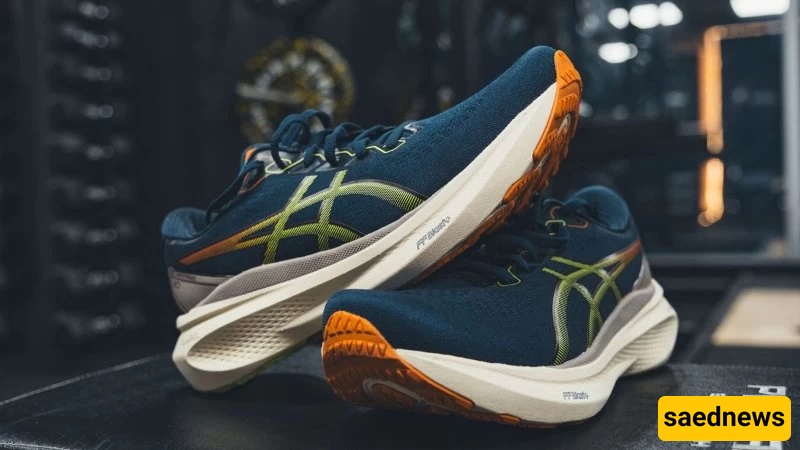
According to Saednews, Wearing the right shoes is one of the most important factors in maintaining healthy joints, muscles, and proper body movement, whether you are running or simply walking. However, many people assume that one high-quality pair of athletic shoes is suitable for all activities. In reality, the body moves quite differently when running compared with walking, and the pressure, impact, and way the foot contacts the ground vary between the two.
At first glance, running and walking shoes may not appear very different. However, details such as the outsole, heel-to-toe drop, weight, cushioning, and overall construction can make the difference between a comfortable stride and one that may contribute to discomfort or injury.
During normal walking, people generally follow a similar movement pattern: the heel makes contact with the ground first, followed by a smooth transfer of body weight across the foot toward the toes. Walking is a lower-impact activity than running. With each step, the body absorbs roughly one and a half times its body weight. This places less stress on the joints and tendons and allows body weight to be distributed more evenly across the feet and lower legs.
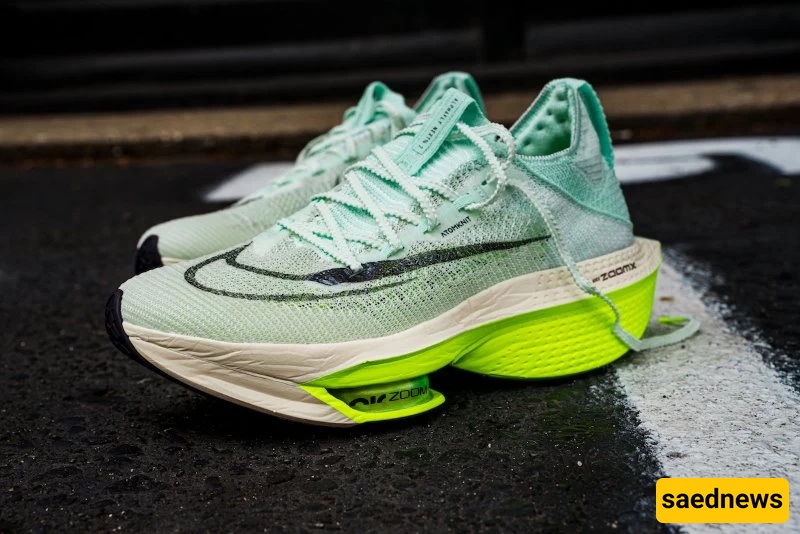
The way the foot moves plays a central role in shoe design. Running shoes are generally lighter and typically feature more cushioning around the heel and forefoot. Because running is a higher-energy activity, the feet generate more heat. For this reason, many running shoes use breathable mesh materials to improve ventilation while keeping the shoes lightweight.
Walking shoes, which were not widely produced as a specialized category until around 1986, do not necessarily need to be as lightweight as running shoes. However, they should provide adequate support for the arches of the feet.
If you have high arches, your feet naturally have less shock absorption, so you may benefit from shoes with softer and thicker cushioning.
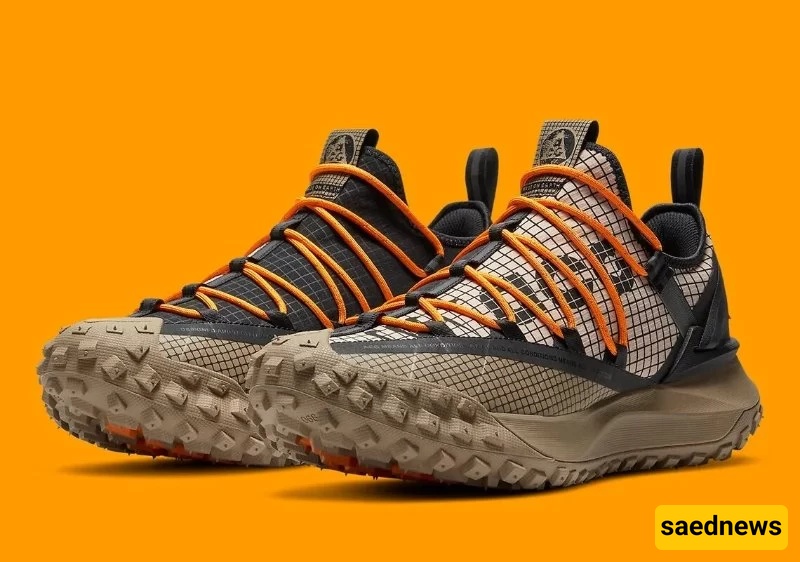
If you have flat feet, you generally need greater support and stability to reduce stress on your joints and muscles. In this case, walking shoes with stability-support features can be a suitable choice.
Both types of shoes ultimately have the same basic goals: protecting the feet, providing comfort, and offering appropriate support during movement.
However, there are four major differences between them:
The outsole is the part of the shoe that directly contacts the ground. Its primary functions are to provide traction, stability, and shock absorption. Although the outsoles of running and walking shoes may look similar at first, there are important differences in their design.
Running shoes:
They are designed for fast forward movement. Their tread patterns commonly extend from the heel toward the toe, helping with force transfer and forward propulsion during each stride.
Walking shoes:
Compared with running shoes, they generally feature more regular and broader tread patterns, helping create smoother, more consistent steps and reducing stress on the joints.
There is also an important difference in flexibility:
Walking shoes:
They are usually more flexible toward the front of the shoe, allowing the foot to move naturally in a way that resembles barefoot walking.
Running shoes:
They tend to be more structured and may be stiffer, particularly in performance models that incorporate reinforcing plates between the outsole and midsole. This construction can improve energy return and propulsion, but during long walks it may sometimes feel stiff or restrict natural movement.
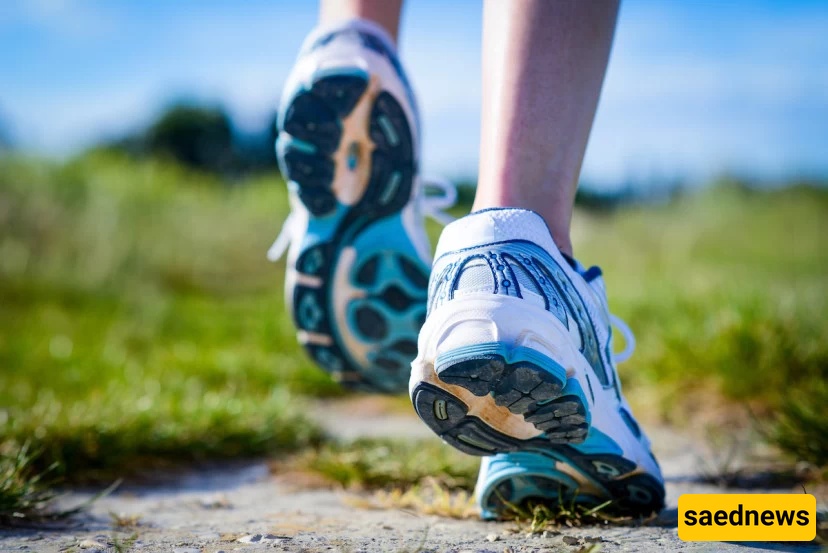
The heel is an important part of a shoe because it influences shock absorption and stride stability.
Running shoes:
They typically have thicker cushioning in the heel to absorb the stronger impact generated when the foot lands during running. This is useful for running, but certain highly cushioned running shoes may feel less natural during prolonged walking and, depending on the individual and shoe design, may contribute to discomfort in the Achilles tendon or lower leg.
Walking shoes:
They commonly feature a beveled heel that encourages a more natural transfer of body weight and helps create a smoother, more controlled stride.
Foot rotation and twisting when the foot contacts the ground are generally greater during running than walking.
For this reason, many running shoes incorporate stability or motion-control features designed to help keep the foot in a controlled position and reduce excessive stress on the joints. During walking, foot rotation is generally lower, so walking shoes do not necessarily require the same level of motion control.
Shoe weight has a direct effect on comfort and movement efficiency.
Running shoes:
They are generally designed to be lightweight, allowing faster and smoother movement.
Walking shoes:
They are not necessarily heavy, but they are often somewhat heavier than running shoes because their construction prioritizes stability and comfort over longer, lower-speed activities.
Put simply:
For walking and everyday activities:
Walking shoes are generally the better choice. Brands such as Kailas design walking shoes with features focused on arch support, appropriate cushioning, and stride stability to help reduce stress on the joints.
For running, athletic training, or competitions:
Running shoes are the appropriate choice. Brands such as Snowhawk produce running shoes with protective cushioning, ventilation, lightweight construction, and energy-return features designed to help protect the feet and joints from repeated impact.
The reason for this distinction is the difference in movement patterns and the type of load placed on the feet and joints. Each activity requires footwear that supports the body's movement mechanics appropriately.
As specialists in corrective exercise and sports physiology often emphasize: choose the right tool for the right job.
Although walking and running shoes share some structural similarities, the amount of force and load placed on the body during these two activities can be significantly different.
Walking in running shoes is usually acceptable.
Running in walking shoes is generally not recommended, because running shoes are designed to handle greater impact and repeated shock, while walking shoes are designed for slower, lower-impact movement.
However, not every running shoe is ideal for walking. Models with extremely thick cushioning or a high heel-to-toe drop may feel unstable or cumbersome during walking. Therefore, footwear should be selected according to the type of activity, movement speed, individual biomechanics, and intended use.
Although walking and running shoes may look similar, they are designed for different purposes. One prioritizes smooth and stable movement, while the other is designed for speed, propulsion, and greater impact absorption.
The right shoe should be selected based on your movement style, activity intensity, terrain, and individual physical characteristics.
For walking and everyday activities, a shoe with greater flexibility and a lower drop may be appropriate. If you regularly run or participate in high-intensity athletic activities, a shoe with responsive cushioning and good stability may be a better option.
Choosing the right footwear can make your activities more comfortable and provide better support for the long-term health of your feet, muscles, and joints.