SAEDNEWS: Repeatedly checking items before leaving home can be linked to memory habits, anxiety, and the desire for reassurance. Understanding the reasons behind this behavior can help explain when it is a normal routine and when it may become disruptive.

According to SAEDNEWS, checking belongings before leaving home is a common behavior that many people experience. A person may look at their keys, wallet, phone, documents, or appliances several times before walking out the door. In many cases, this habit is simply a way to reduce uncertainty and feel more prepared for the day.
Several factors can influence repeated checking behavior:
• A strong need for reassurance: Some people feel more comfortable when they confirm that everything is in place before leaving.
• Stress and distraction: During busy or stressful periods, people may have less confidence in their memory and check items again to make sure nothing was forgotten.
• Routine and habit formation: Repeating the same action every day can turn checking into an automatic part of a leaving-the-house routine.
• Fear of making mistakes: People who are highly careful or responsible may be more likely to review tasks and belongings before moving on.
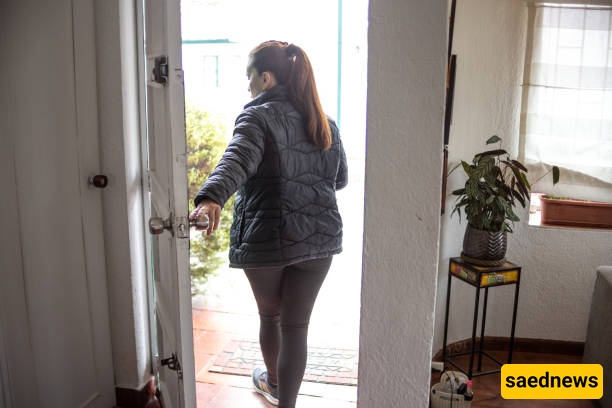
Repeated checking does not always mean a person has forgotten something. Human memory is not designed to record every routine action in detail, especially when activities happen automatically. For example, locking the door or placing a phone in a bag may receive less attention because these actions are performed frequently.
When a person later tries to remember the action, the lack of a strong memory signal can create doubt. Checking again may temporarily provide confidence that the task was completed.
Occasional checking is generally part of normal daily behavior. However, the habit may become a concern if it:
Takes a significant amount of time every day
Causes strong distress when the person tries not to check
Interferes with work, social activities, or daily responsibilities
Creates a cycle where checking provides only short-term relief but the doubt quickly returns
In some cases, excessive checking can be associated with anxiety-related patterns or obsessive-compulsive symptoms, but only a qualified professional can assess an individual’s situation.
People who want to reduce unnecessary checking may find these strategies helpful:
Create a consistent routine: Keeping important items in the same place can reduce uncertainty.
Use a short checklist: A simple mental or written list can help organize essential tasks without repeated reviewing.
Slow down during important actions: Paying attention while locking doors or packing items can create a clearer memory of the action.
Manage daily stress: Relaxation techniques, regular sleep, and balanced routines may support better concentration.
Checking belongings before leaving home is often a normal attempt to feel organized and prepared. The difference between a useful habit and a stressful pattern depends on how often it happens, how much distress it creates, and whether it affects everyday life. Understanding the reasons behind this behavior can help people develop healthier routines and greater confidence in their daily actions.