SAEDNEWS: Small daily behaviors can gradually increase clutter at home. Identifying these habits can help create a more organized and comfortable living space.
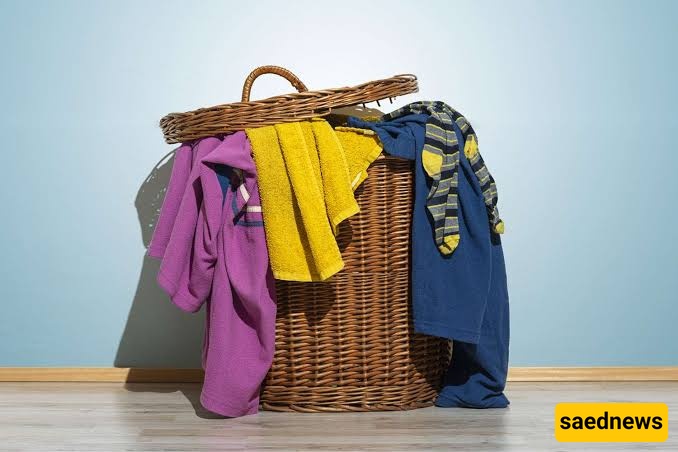
According to SAEDNEWS, a crowded home is not always the result of having too many belongings. In many cases, repeated daily habits quietly create disorder by making it harder to maintain organization. Recognizing these behaviors is the first step toward keeping rooms cleaner and more functional.
Some common actions may seem harmless at first but can contribute to a messier environment over time:
• Leaving items where they are used instead of returning them to their place
• Keeping unnecessary objects because they might be useful someday
• Delaying small cleaning tasks until they become larger problems
• Placing new items in the home without removing old ones
• Using temporary storage spaces as permanent solutions
When these habits become part of a daily routine, surfaces, drawers, and storage areas can gradually become overcrowded.
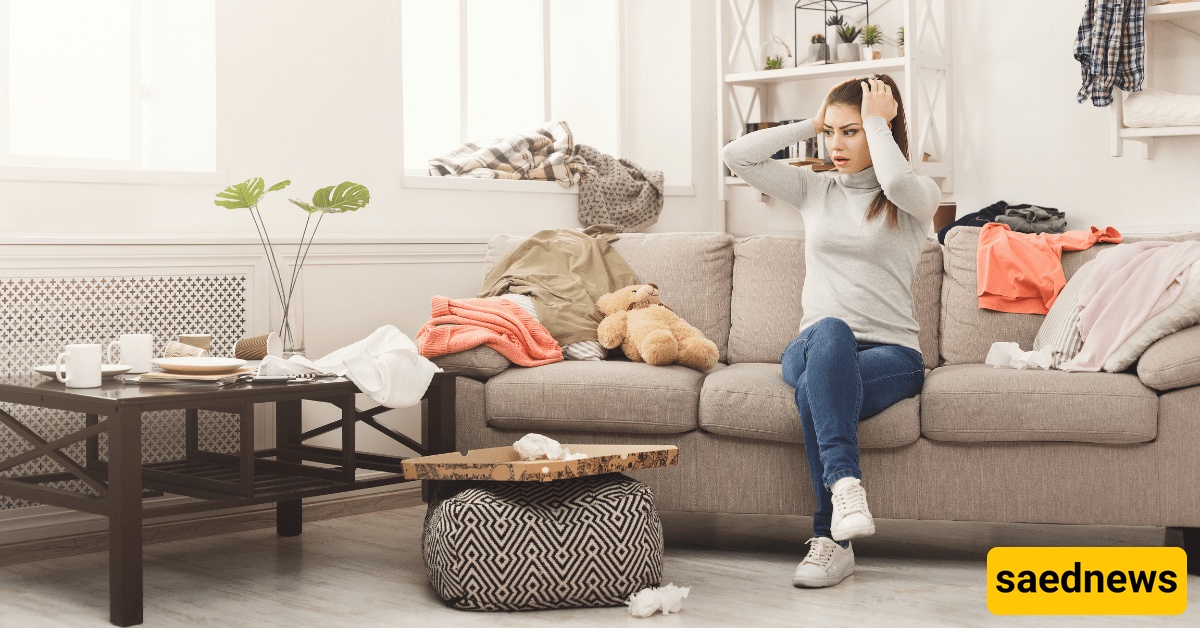
One of the biggest contributors to household clutter is postponing simple tasks. A jacket left on a chair, unopened mail on a table, or dishes waiting in the sink may not seem significant individually. However, repeated delays can create a constant feeling of disorder.
Completing small tasks immediately often requires less time and effort than dealing with accumulated clutter later. Simple actions, such as putting objects back after use or clearing a surface before leaving a room, can make a noticeable difference.
Bringing new items into the home without considering available space can slowly lead to overcrowded rooms. This is especially common with kitchen tools, clothing, decorations, and storage containers.
Before adding something new, it can be helpful to ask:
Do I already have something that serves the same purpose?
Where will I keep this item?
Will it improve my daily life or simply take up space?
Being more thoughtful about purchases can prevent unnecessary accumulation.
Not all clutter is visible. Cabinets, drawers, closets, and storage boxes can become filled with unused items that are rarely checked.
Common examples include:
• Expired household products
• Broken items waiting to be repaired
• Duplicate tools or supplies
• Clothes and accessories that are no longer used
• Containers kept without a clear purpose
Regularly reviewing storage areas helps prevent hidden clutter from growing.
Creating a less crowded home does not require major cleaning sessions every day. Small consistent behaviors can support better organization:
Return items to their designated place after use
Spend a few minutes each day clearing frequently used areas
Avoid keeping items without a clear reason
Organize belongings by category rather than by random placement
Remove or donate unused items regularly when appropriate
A home stays more manageable when organization becomes part of everyday life rather than an occasional large project.
Clutter can affect how people experience their homes by making spaces feel smaller and more difficult to use. Changing a few daily behaviors can reduce unnecessary mess and create a calmer environment. The goal is not a perfect home, but a space where belongings are easier to find, use, and maintain.