SAEDNEWS: Feeling warmer than usual is common during pregnancy because of hormonal and circulatory changes. Simple measures such as staying hydrated, wearing breathable clothing, and keeping the environment cool can improve comfort.
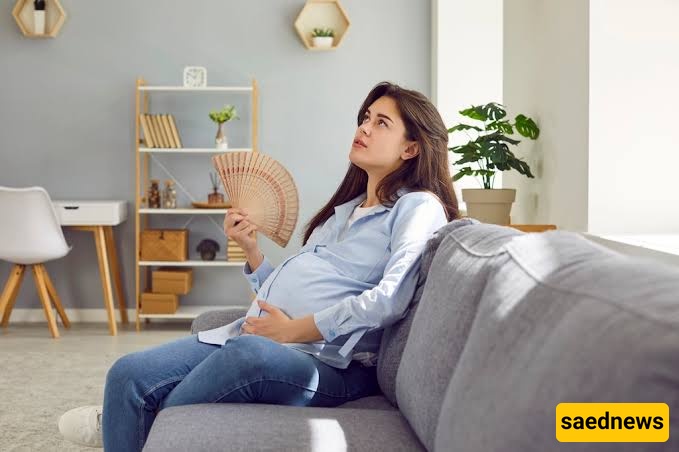
According to SAEDNEWS, feeling unusually warm or sweating more than usual can occur during pregnancy. Hormonal changes, increased blood flow to the skin, and the body's increased workload can make pregnant women feel hotter, particularly during sleep, physical activity, or warm weather. For most people, this is a normal pregnancy-related change rather than a sign of illness.
A few practical habits can help reduce discomfort during the day:
Drink water regularly: Adequate fluid intake helps replace water lost through sweating and supports normal body functions. Keep water nearby and drink regularly rather than waiting until you feel very thirsty.
Choose breathable clothing: Loose-fitting clothes made from lightweight, breathable fabrics can allow heat to escape more easily.
Keep the bedroom cool: A fan, good ventilation, or a cooler sleeping environment may make nighttime sweating easier to manage.
Take comfortable showers: A lukewarm shower can help you cool down without the discomfort associated with very hot water.
Reduce strenuous activity in the heat: When temperatures are high, choose cooler times of day for exercise and take regular breaks.
Use cool compresses: A cool, damp cloth on the neck, forehead, or wrists may provide temporary relief when you feel overheated.
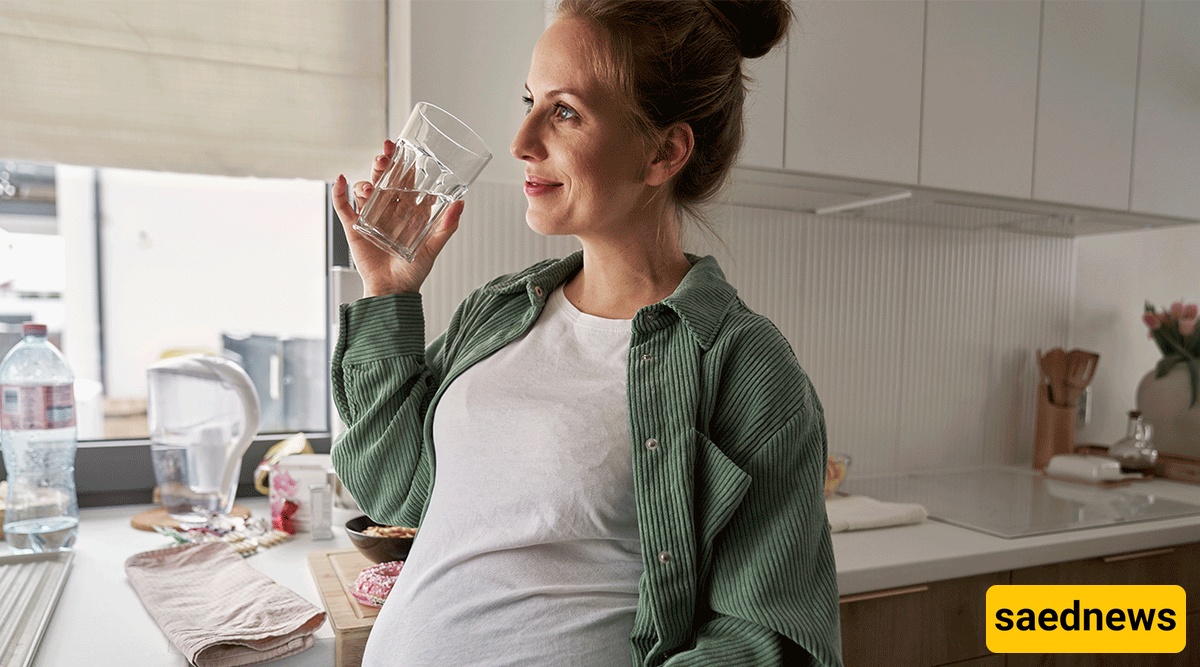
Sweating more can increase fluid needs. Signs such as a very dry mouth, dark urine, dizziness, unusual weakness, or urinating much less often can indicate dehydration. Pregnant women who experience persistent symptoms should contact their healthcare provider for appropriate advice.
Feeling warm by itself is usually not concerning, but a high fever, fainting, severe dizziness, confusion, difficulty breathing, chest pain, or other sudden or severe symptoms require prompt medical attention. A healthcare professional can also help determine whether persistent or unusually intense heat intolerance has another cause.
Small adjustments to clothing, hydration, activity, and the indoor environment can make pregnancy-related warmth much easier to manage while supporting everyday comfort.