SAEDNEWS: The best pruning time depends on the tree species, its growth cycle, and the purpose of pruning. For many deciduous trees, late winter or early spring is a suitable period because the tree is dormant and its structure is easier to assess.
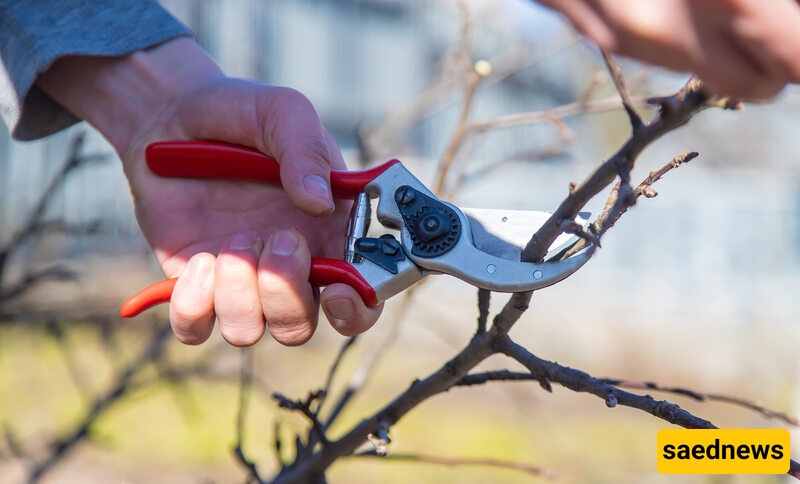
According to SAEDNEWS, pruning tree branches at the right time can help maintain a tree’s shape, remove damaged growth, and support healthy development. However, there is no single pruning season that works equally well for every tree. The appropriate timing depends on the species, climate, tree age, and reason for pruning.
For many deciduous trees, late winter, before active spring growth begins, is a practical time for routine structural pruning. With the leaves gone, branches and the overall framework are easier to see, making it simpler to identify dead, crossing, weak, or poorly positioned growth. Pruning during dormancy can also reduce the amount of time fresh cuts remain exposed before the new growing season.
Trees that bloom on old wood require more care. Pruning them in late winter may remove flower buds that formed during the previous growing season. In these cases, pruning is often better performed after flowering.
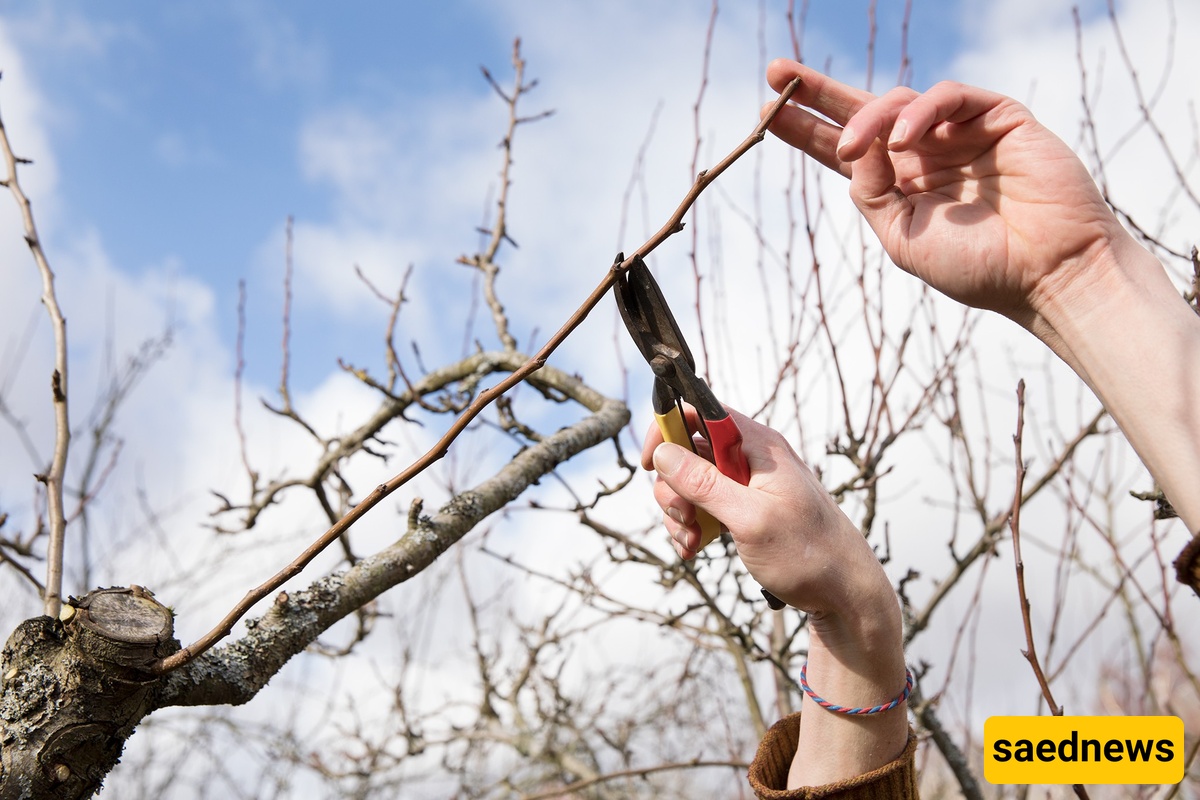
Timing should also reflect the condition of the branches. Dead, broken, or damaged limbs may need attention whenever they are noticed, particularly when they could fall or cause damage. Branches affected by disease should also be assessed promptly, although the appropriate pruning method can vary depending on the tree and the problem involved.
For routine pruning, avoid choosing a time based only on the calendar. Consider:
Tree species: Different trees have different growth and flowering patterns.
Pruning purpose: Removing hazards is different from shaping or thinning a canopy.
Local climate: Weather conditions can affect how quickly pruning wounds dry and heal.
Tree condition: Young, mature, damaged, and recently planted trees may require different approaches.
Tree situation | Common timing consideration |
|---|---|
Many deciduous trees | Late winter during dormancy |
Trees that flower on old wood | Often after flowering |
Dead or broken branches | Remove when necessary, with safety in mind |
Recently planted trees | Prune conservatively unless corrective pruning is needed |
Mature trees | Assess carefully before removing major limbs |
Removing too many branches at once can place unnecessary stress on a tree and may encourage unwanted growth. Large limbs should not be removed simply to change the tree's appearance, especially when doing so would substantially alter its natural structure.
For large, mature, hazardous, or difficult-to-reach branches, professional assessment is advisable. Proper pruning involves more than cutting a branch; the location and size of the cut can affect the tree's long-term structure and health.
The safest general rule is to identify the tree species and reason for pruning first, then choose the timing accordingly. When in doubt, local arboricultural guidance can help determine the appropriate season for a particular tree and climate.