SAEDNEWS: Large yards can accommodate a wide range of shade trees, from broad-canopied deciduous species to long-lived ornamental trees. Choosing the right tree depends on available space, climate, soil, and maintenance needs.
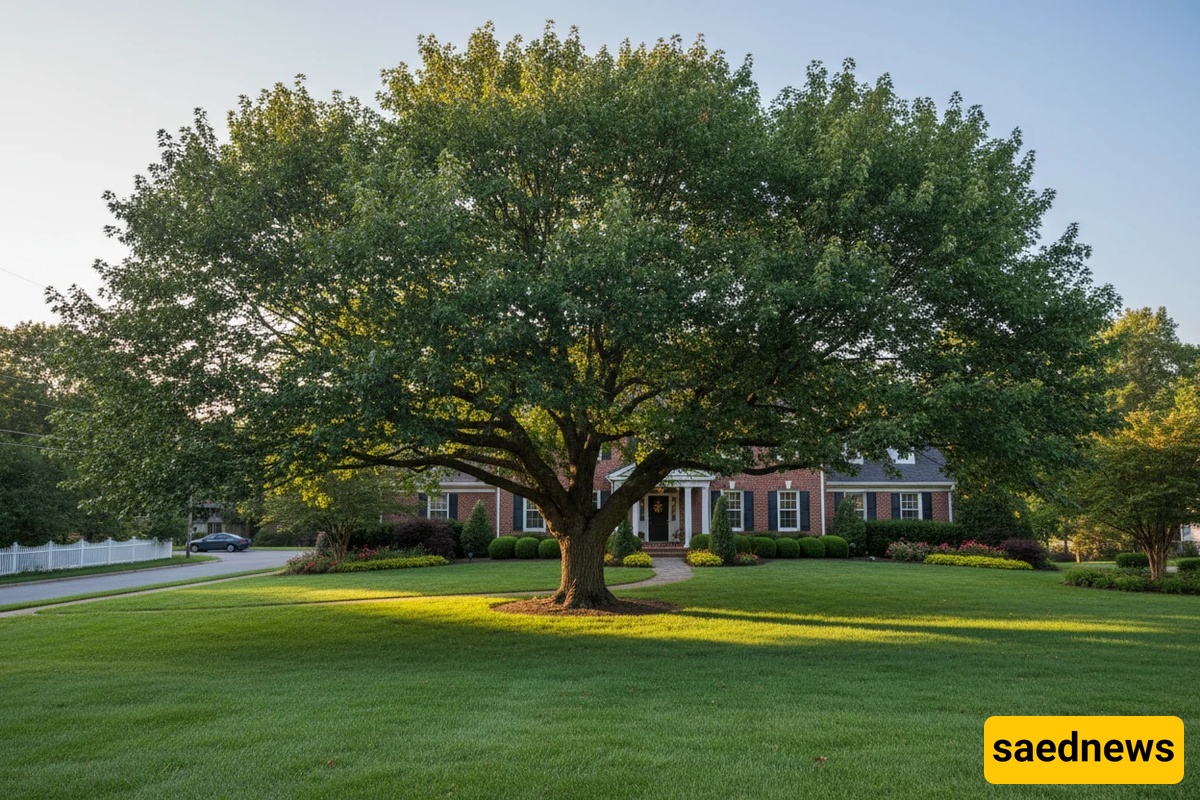
According to SAEDNEWS, large yards offer enough room for trees with expansive canopies that can eventually provide substantial shade. However, a suitable choice should match the yard’s growing conditions rather than being selected only for its appearance. Mature height and canopy width, soil type, sunlight exposure, water availability, and local climate are all useful factors to consider before planting.
Several tree types are commonly valued for their broad canopies and potential to provide shade:
Oak trees: Many oak species develop large, spreading crowns and can become long-lived landscape trees when given sufficient space.
Maple trees: Depending on the species, maples can provide dense shade and attractive seasonal foliage.
Linden trees: These deciduous trees can form rounded or spreading crowns and are often used where ample growing space is available.
Plane trees: Their large canopies make them suitable for spacious landscapes, although their eventual size requires careful placement.
Tulip trees: They can grow tall and develop a substantial canopy, making them better suited to large properties than small gardens.
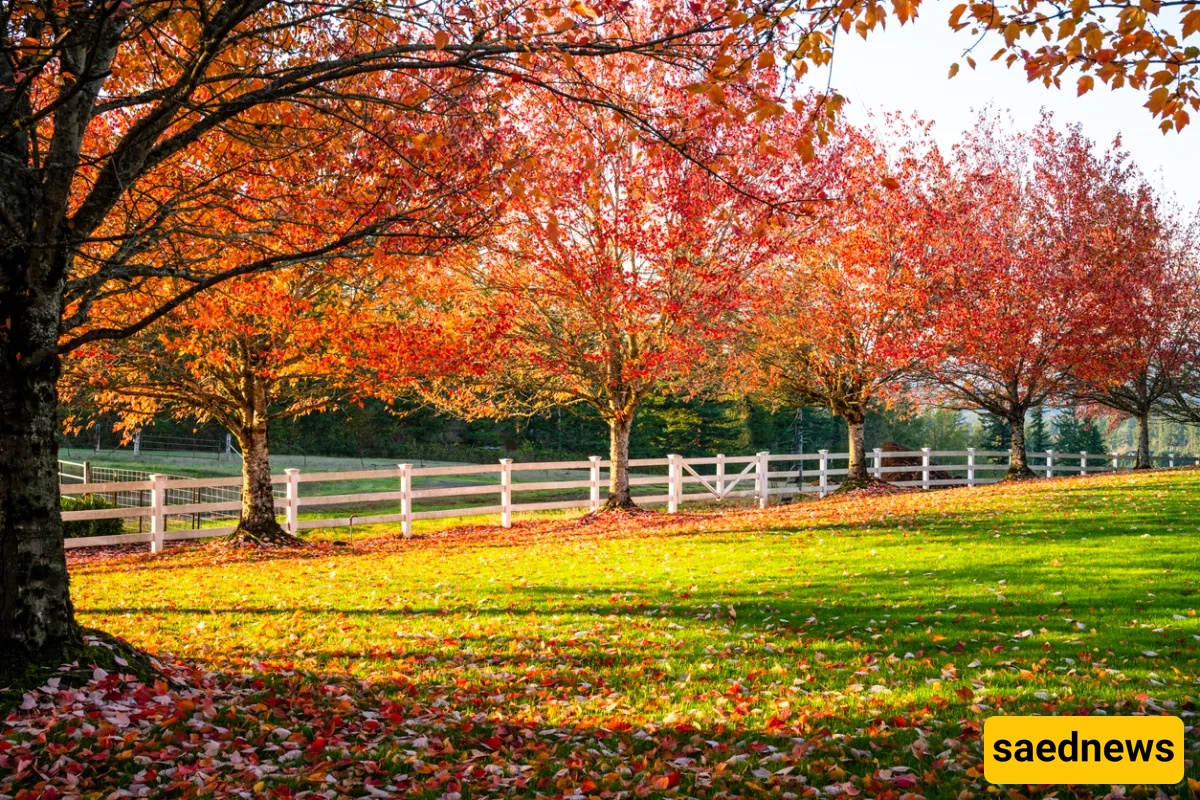
A shade tree can occupy the same location for decades, so its mature size matters more than its appearance when young. Leave adequate distance from buildings, walls, driveways, underground utilities, and other trees. Large species may need considerable horizontal and vertical space as their trunks and branches expand.
Local growing conditions are equally important. Check whether the species is suited to the region's winter temperatures, summer conditions, soil drainage, and typical rainfall. A tree that performs well in one climate may struggle in another.
The best choice can also depend on what the yard needs throughout the year. Deciduous trees lose their leaves in autumn, allowing more sunlight to reach the ground during winter, while evergreen trees retain foliage for much of the year. Some species also offer attractive bark, flowers, autumn color, or wildlife habitat.
For a large yard, planting location should be planned with the tree's mature canopy in mind. A young tree may look small when planted, but its future size can determine whether it eventually provides comfortable shade or creates conflicts with structures and surrounding plants.