SAEDNEWS: Frequent and uncontrolled anger can seriously harm the heart, brain, immune system, and digestive health. Protect your well-being with scientifically backed anger-management techniques.
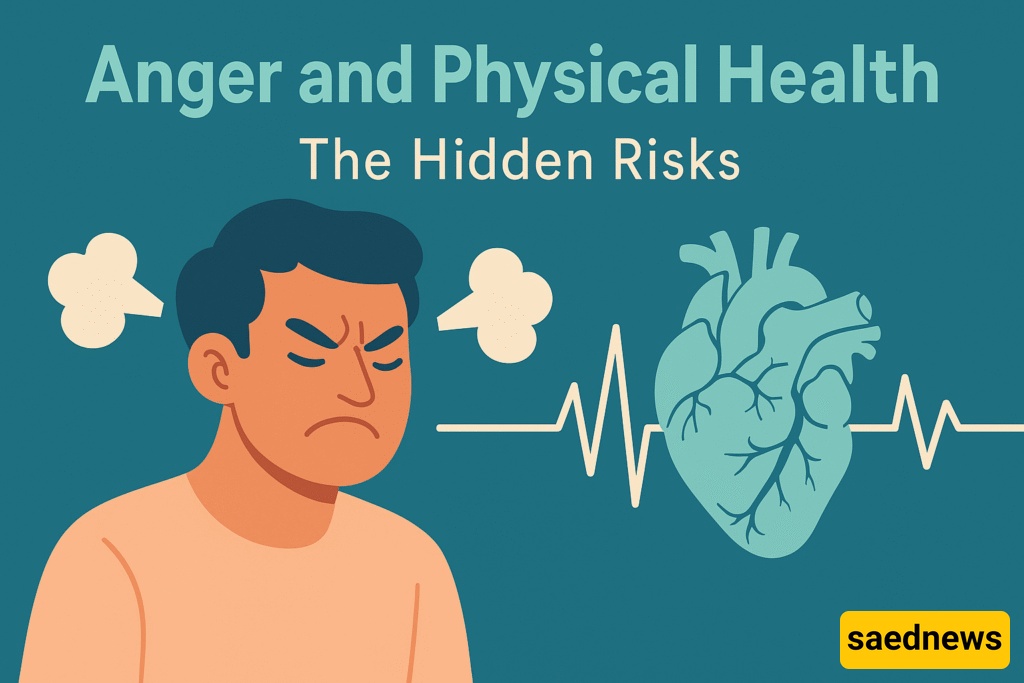
According to Saednews, Anger is one of the natural and primary human emotions that arises in certain situations. We all experience anger from time to time in everyday life—whether because of workplace frustrations, family problems, or even heavy traffic. But did you know that frequent and uncontrolled anger can become a serious threat to your physical health?
Scientific research suggests that chronic anger can affect not only mental well-being but also various systems throughout the body, from the heart and brain to the immune and digestive systems. This article provides a comprehensive look at how anger can affect physical health and explores ways to manage this powerful emotion.
One of the most important and potentially dangerous effects of anger on the body involves the heart and blood vessels. When you become angry, the body releases stress hormones such as adrenaline and cortisol, which can increase heart rate, constrict blood vessels, and raise blood pressure. This response, known as part of the “fight-or-flight” response, can be useful in emergencies. However, when it occurs repeatedly, it may contribute to serious health problems, including:
Increased risk of heart attack: Several studies have reported that people who frequently experience anger may have a higher risk of heart attacks.
Chronic high blood pressure: Repeated episodes of anger can contribute to persistently elevated blood pressure, which is a risk factor for cardiovascular, kidney, and neurological diseases.
Irregular heart rhythms: Sudden intense anger can temporarily disrupt the heart’s normal rhythm, potentially causing palpitations and, in susceptible individuals, more serious cardiac complications.
The brain plays a central role in controlling emotions and is strongly affected during episodes of anger. When you become angry, activity in areas involved in reasoning and self-control may change, while the amygdala, which plays a key role in processing emotions, becomes more active. These changes may lead to:
Reduced decision-making ability: Anger can interfere with analytical thinking and reasoning, making a person more likely to respond impulsively.
Increased risk of stroke: Sudden increases in blood pressure during intense emotional stress may contribute to cardiovascular and cerebrovascular risk, particularly in people who already have underlying risk factors.
Effects of chronic stress on brain function: Prolonged stress associated with persistent anger can increase cortisol exposure, which over time may negatively affect memory, concentration, and other aspects of cognitive function.

There is a close connection between the brain and the digestive system, commonly known as the gut-brain axis. Anger and psychological stress can interfere with normal digestive function.
Irritable bowel syndrome (IBS): Stress and anger can worsen IBS symptoms such as abdominal pain, bloating, diarrhea, and constipation.
Increased stomach acid: Stress-related changes in the digestive system can contribute to stomach discomfort and may aggravate certain gastrointestinal conditions.
Changes in digestion and nutrient absorption: Emotional stress can alter gastrointestinal function and potentially affect normal digestion and nutrient absorption.
The immune system depends on a balanced hormonal and physiological environment to effectively fight infections and disease. Chronic psychological stress and persistent anger can disrupt this balance, particularly through changes in cortisol levels.
Increased inflammation: Long-term stress can contribute to inflammatory processes in the body and may be associated with a range of chronic health conditions.
Reduced ability to fight infections: Prolonged psychological stress may affect immune function, potentially making the body more vulnerable to infections.
Delayed wound healing: Research has found that psychological stress can slow the body’s wound-healing process.
The skin can reflect changes occurring within the body and may be affected by emotional stress. Anger and chronic stress may contribute to:
Acne and breakouts: Stress-related hormonal changes can stimulate oil production and contribute to inflammatory acne.
Eczema and psoriasis flare-ups: Psychological stress can aggravate symptoms in people with certain inflammatory skin conditions.
Hair loss: Significant or prolonged stress can disrupt the normal hair-growth cycle and contribute to temporary hair shedding.
Premature skin aging: Chronic stress and muscle tension may contribute to changes in skin health and the appearance of premature aging.

Anger and emotional distress can often lead to insomnia or restless sleep. When the mind remains preoccupied with anger, it can become more difficult to relax and enter restorative stages of sleep. Poor sleep can, in turn:
Weaken immune function.
Increase cardiovascular risk.
Reduce concentration and learning ability.
Create a cycle of stress, poor sleep, and anger that can be difficult to break.
How to Cope With Anger Before Your Period
Managing and controlling anger before menstruation can be particularly important for some people. Understanding the possible causes of premenstrual irritability and learning healthy coping strategies may help reduce emotional distress during this time.
The human body is designed to cope with short-term stressful situations. However, when anger and stress become persistent patterns, prolonged activation of the body’s stress response can take a toll on overall health.
Conditions that have been associated with chronic stress and persistent negative emotions include:
Type 2 diabetes
Abdominal obesity
Metabolic syndrome
Depression and anxiety
Increased risk of cognitive decline in later life
Anger is a normal human emotion, and experiencing it occasionally is not inherently harmful. The greater concern is frequent, intense, or poorly controlled anger, particularly when it becomes a long-term source of psychological stress.
Learning to recognize anger early and using healthy strategies—such as physical activity, relaxation techniques, adequate sleep, open communication, and professional support when needed—can help protect both mental and physical well-being.