SAEDNEWS: Some birds are specially adapted to hunt after dark, using exceptional hearing, vision, and silent flight to locate prey in low-light conditions.
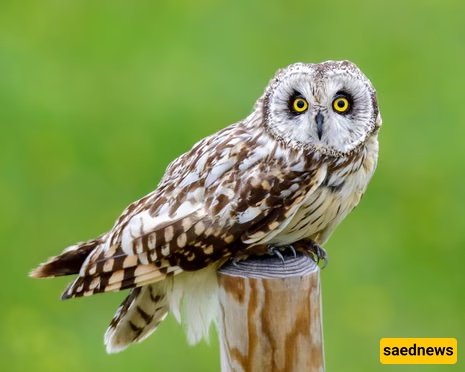
According to SAEDNEWS, the owl is one of the best-known birds that hunts at night. Although many owl species are nocturnal, their hunting ability is not simply a matter of having good eyesight. Their bodies are equipped with several adaptations that help them detect and capture prey when sunlight is limited.
An owl's large, forward-facing eyes allow it to collect considerable amounts of available light. This helps it see in dim conditions, although owls cannot see in complete darkness. Their excellent vision works together with highly sensitive hearing, which can be especially valuable when prey is hidden by grass, leaves, or other vegetation.
Some owl species have asymmetrically positioned ears, meaning the openings are located at slightly different heights on the head. This arrangement helps the bird compare the timing and intensity of sounds reaching each ear, providing clues about where a sound originates.
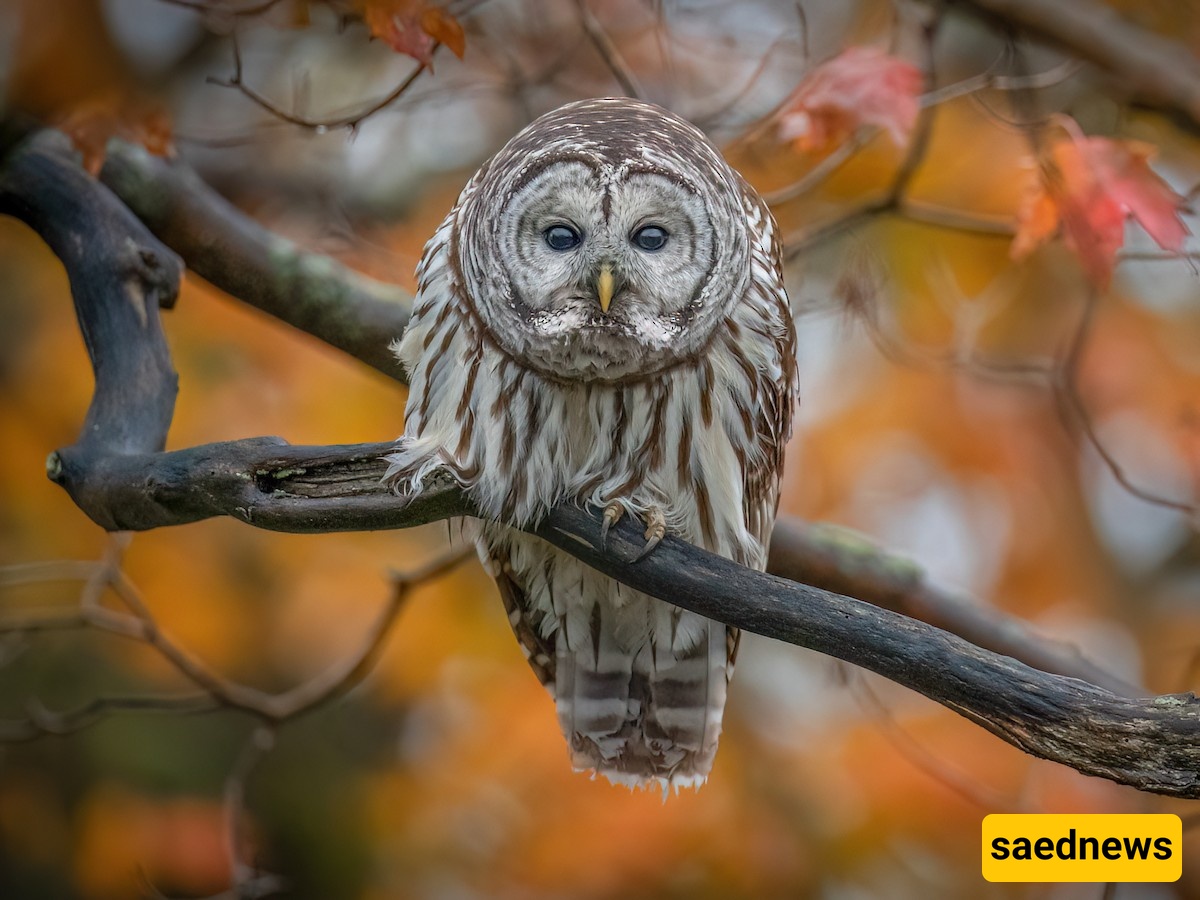
Another remarkable adaptation is the owl's ability to fly with very little noise. Specialized feather structures help reduce the sound produced as air moves over the wings. This allows an owl to approach prey more quietly than many other birds.
During a hunt, an owl may:
Listen carefully for sounds made by hidden prey.
Use its vision to identify movement in low light.
Adjust its flight based on information from its hearing.
Dive toward the target and use its strong talons to capture it.
Different owl species have different hunting strategies. Some search from a perch and drop or glide toward prey, while others actively fly through suitable habitats. Their diets also vary according to species and habitat, with prey potentially including small mammals, insects, and other small animals.
Night hunting gives these birds access to prey and conditions that are different from those faced by daytime predators. Their combination of hearing, vision, specialized feathers, and powerful feet makes them highly effective nocturnal hunters.