SAEDNEWS: The rubber door seal can trap moisture, detergent residue, and debris, making regular inspection important for hygiene and proper machine operation.
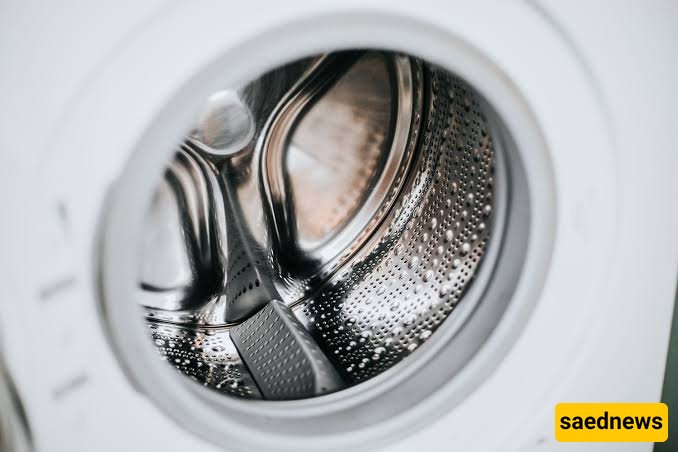
According to SAEDNEWS, the rubber seal around a washing machine door, often called the door gasket, does more than keep water from leaking out. Its folds can collect moisture, lint, hair, and detergent residue, particularly when the door remains closed between washes. Over time, this can lead to unpleasant odors, visible buildup, or even deterioration of the rubber.
A quick inspection can reveal several warning signs:
Persistent unpleasant odor: A musty smell may indicate trapped moisture or residue inside the folds.
Dark spots or visible buildup: Discoloration can develop when moisture and residue remain in the gasket.
Water leaking from the door: Leakage may occur if the seal is damaged, deformed, or unable to sit correctly against the door.
Cracks or tears: Small areas of damaged rubber can eventually become a source of leakage.
Objects trapped inside: Coins, hair, lint, and small pieces of fabric can collect in the seal and interfere with its proper closure.
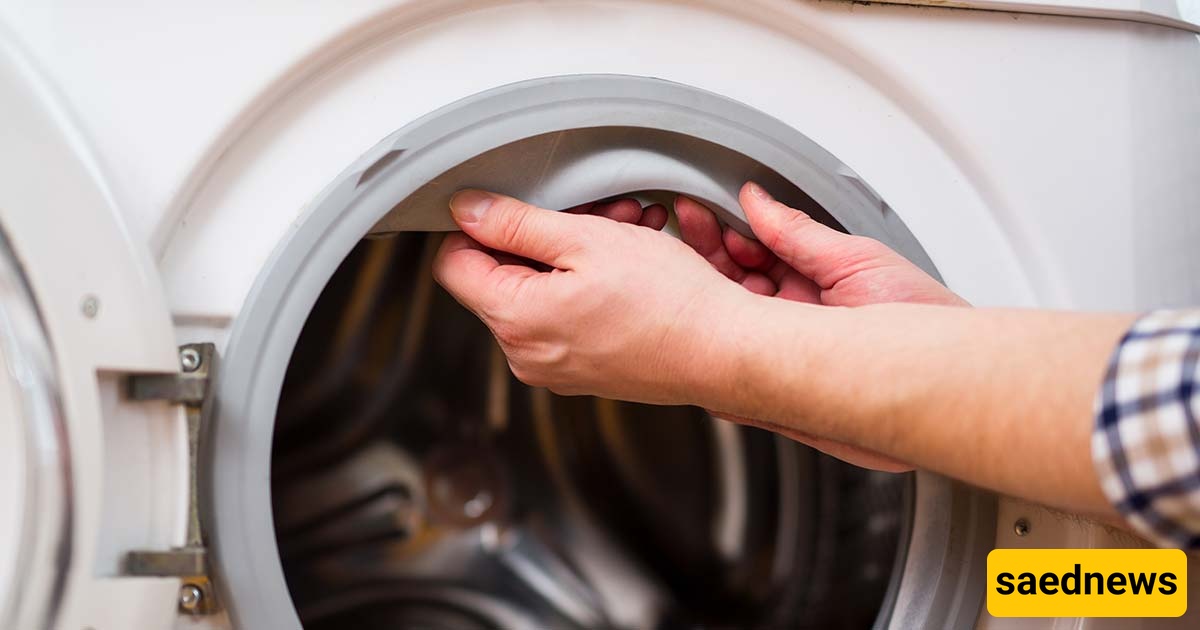
Open the washing machine door and gently pull back the folds of the rubber gasket. Look around the entire circumference, paying particular attention to the lower section, where moisture and debris may remain after a cycle.
If you find removable residue, wipe the seal with a clean, damp cloth and dry it afterward. Avoid pulling or stretching the rubber aggressively, as unnecessary force can damage the gasket.
Cleaning can address ordinary residue, but a damaged seal is a different matter. Cracks, tears, persistent deformation, or continued water leakage are signs that the gasket may need professional assessment or replacement. Continuing to use a machine with a significantly damaged seal can allow water to escape and potentially cause damage around the appliance.
Keeping the door slightly open after washing, when safe and practical, can also help the interior and gasket dry more effectively. Regularly checking the folds of the seal takes only a moment but can help identify problems before a small issue becomes a leak.