SAEDNEWS: Using the washing machine’s dryer function independently can help you manage your time and dry your clothes as quickly as possible.

According to Saednews, In today’s busy world, washing machines have become essential household appliances. Newer models offer a wide range of features designed to make everyday life easier. One particularly useful function that many people are unfamiliar with is the drying function.
You may have washed your clothes but suddenly needed them dry because of rain, cloudy weather, or a lack of suitable space for hanging them.
In such situations, using the dryer can be a practical solution. But the key question is: How can you use only the drying function of a washing machine? This guide explains the process step by step, along with important tips and safety precautions.
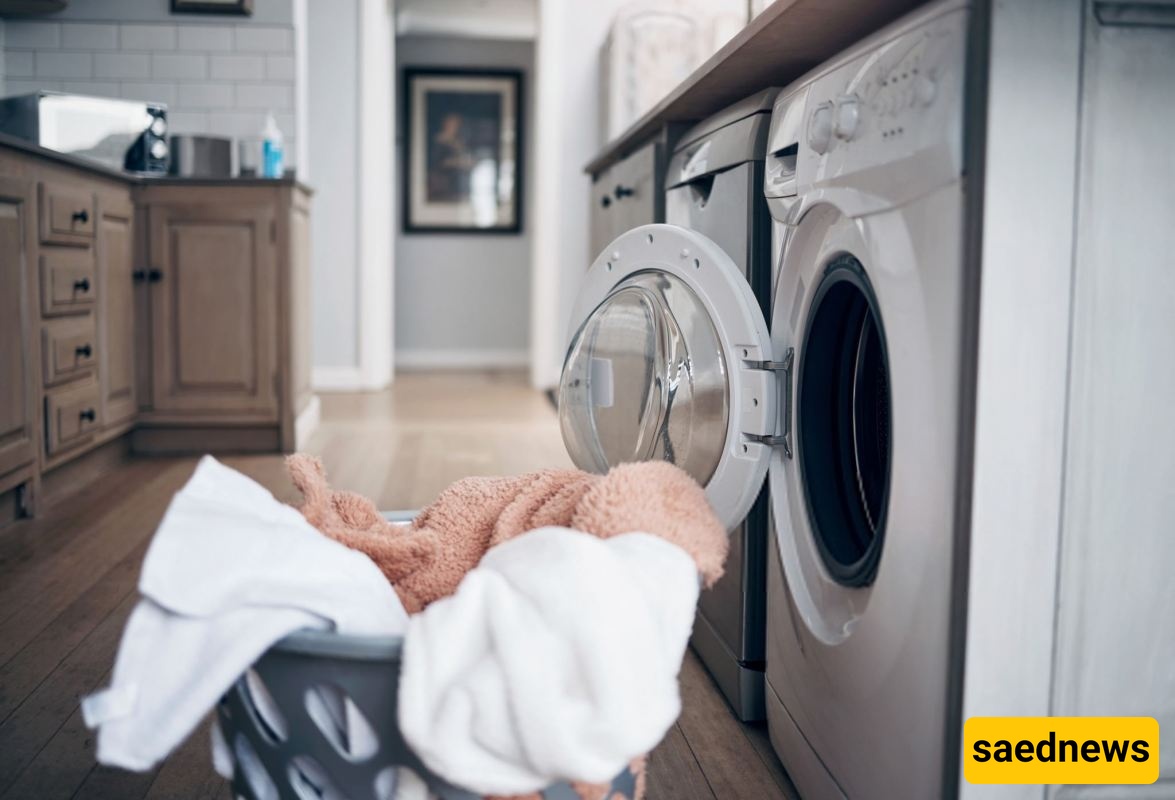
Washer-dryers generally offer drying in two ways. Some models automatically continue from washing to drying, while others allow the drying function to be selected independently.
In either case, many machines let you activate a drying program without starting a new wash cycle. This is particularly useful for clean clothes that have become damp or have been exposed to rain.
Using the dryer correctly can save time, reduce the risk of unpleasant odors and mildew, and sometimes minimize the need for ironing.
There are several situations where running only the dryer makes sense:
Clothes becoming wet after washing: If a clean towel or shirt accidentally gets wet, there is usually no need to wash it again. A drying cycle may be sufficient.
When you are short on time: If you need a clean but damp outfit for a meeting or event, the dryer can quickly remove excess moisture.
Limited drying space: Small apartments or prolonged rainy weather can make air-drying difficult.
Improving softness: Some people briefly tumble-dry towels or certain fabrics after washing to make them feel softer.
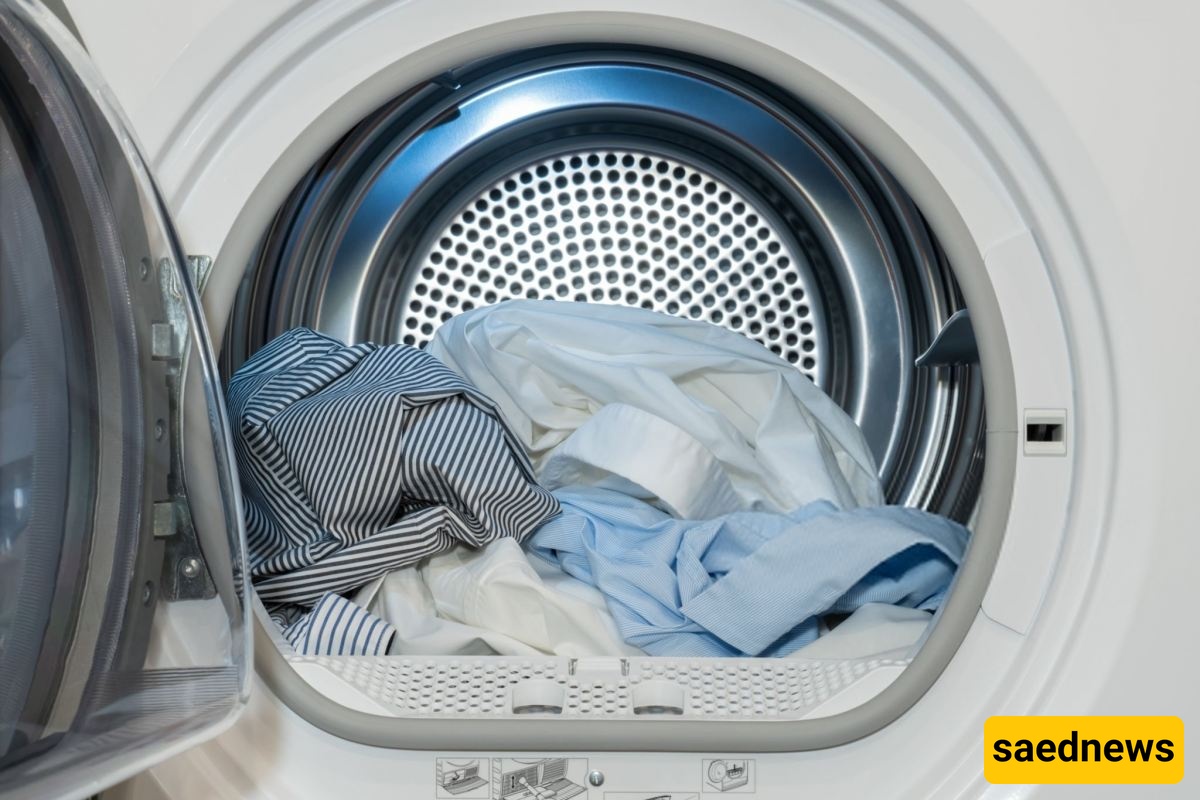
The first thing to check is the machine’s maximum drying capacity. On many washer-dryer models, the drying capacity is lower than the washing capacity.
For example, a machine rated for 8 kg of washing may have a drying capacity of only around 3–4 kg. Always check the specification label or user manual for the exact limit.
Overloading the drum prevents warm air from circulating properly, which can leave clothes damp and increase wrinkles.
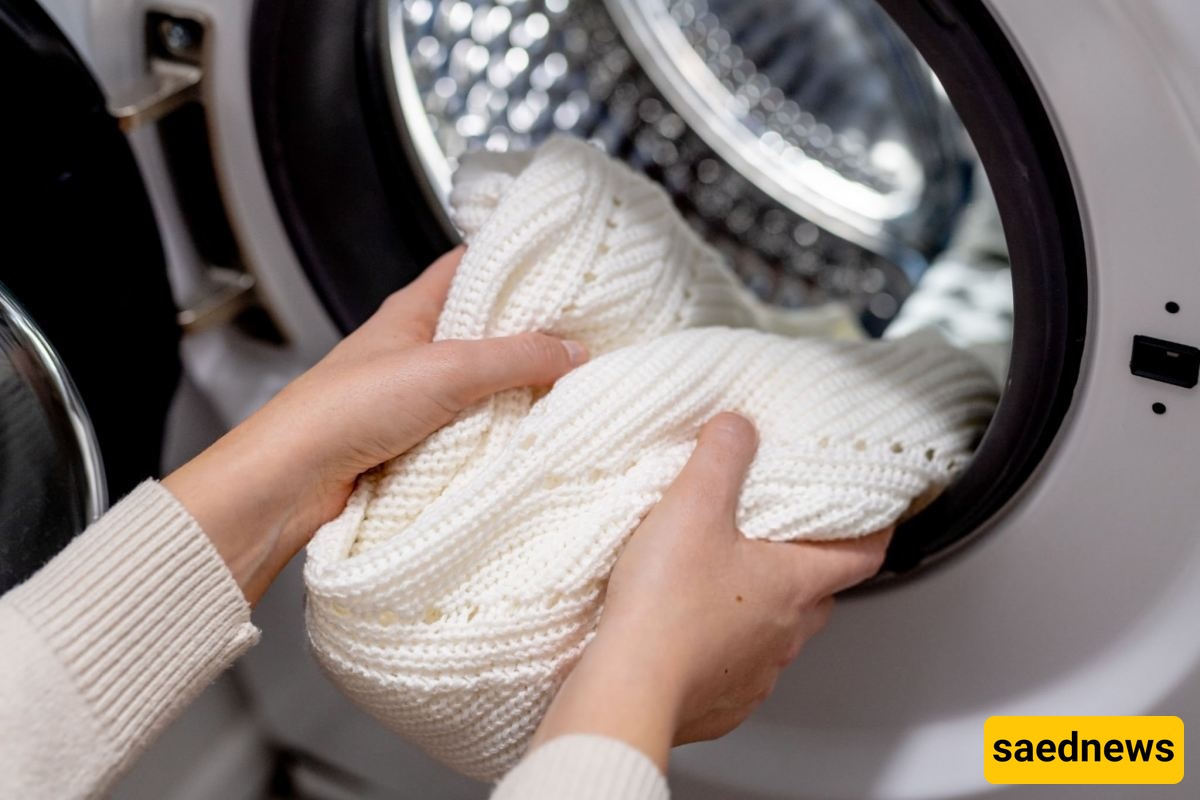
Not every fabric is suitable for machine drying. Always check the care label before putting an item in the dryer.
Cotton clothing, towels, and bed sheets are generally suitable for tumble drying when the care label permits it.
Be more cautious with:
Silk
Lace
Wool
Delicate fabrics
Items with plastic or glued decorations
Elastic garments
High temperatures can damage delicate fibers or reduce the elasticity of some materials.
The square-within-a-circle symbol on the care label indicates whether an item is suitable for tumble drying and may also specify temperature limitations.

Place the clothes loosely inside the drum rather than compressing them together. Good airflow is essential for effective drying.
Make sure no clothing is trapped between the door and its seal, as this could damage the garment or the door gasket.
Small items such as socks can be placed in a suitable laundry mesh bag. Also check all pockets and remove coins, keys, and other objects that could damage the machine.
Depending on the model, a washer-dryer may offer several drying options, including:
Low Heat: Suitable for more delicate fabrics and some sportswear.
Medium Heat: Appropriate for everyday clothing such as shirts and trousers.
High Heat: Typically intended for heavier items such as towels and bedding, provided their care labels allow it.
Timed Dry: Allows you to select a specific drying duration and can be useful when clothes are already partly dry.
Sensor Dry: Uses moisture sensors to determine when the clothes are sufficiently dry and automatically ends the cycle.
If you are unsure which setting to use, a suitable standard or sensor-based program is often a better starting point than using maximum heat.
Some machines also have fabric-specific programs such as Cotton, Synthetics, and Delicates, which automatically adjust drying conditions.
Once you have selected the appropriate program, choose the required duration if your machine uses timed drying.
As a general indication, a moderate load of cotton clothing may require approximately 60–90 minutes, while clothes that are only slightly damp may need around 30–40 minutes. Actual times vary considerably depending on the fabric, load size, machine, and initial moisture level.
Before starting, check that the lint filter is clean if your machine has one.
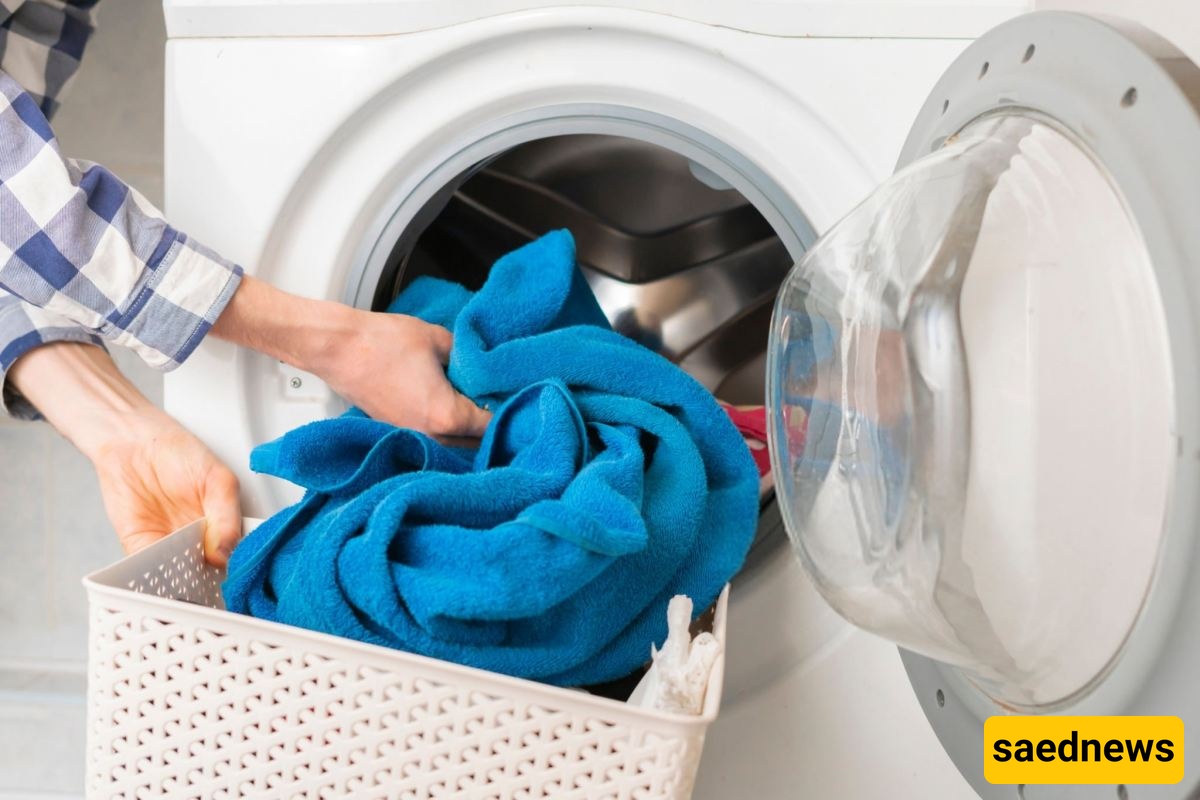
When the drying cycle finishes, remove the clothes as soon as practical.
Leaving warm clothes sitting in the drum for a long time can lead to wrinkles and an unpleasant stale smell. Shake the garments out and lay or hang them appropriately so they can cool.
If your machine has a Cool Down or anti-crease phase, allow it to complete. This can help reduce wrinkles before the clothes are removed.
If your model has a lint filter, clean it according to the manufacturer's instructions. A blocked filter restricts airflow, reduces drying efficiency, and can increase the risk of overheating.
Regular filter maintenance also helps maintain the machine's performance.
Before starting a drying cycle, excess water should normally be removed through the washing machine's spin cycle.
Clothes that are excessively saturated with water take much longer to dry and can place unnecessary demands on the appliance. A proper spin cycle significantly reduces the remaining moisture.
Using too much detergent can leave residue on fabrics. Excess detergent may contribute to poor rinsing, stiffness, or visible deposits after drying.
Follow the detergent manufacturer's recommended dosage and adjust it according to the load and water conditions.
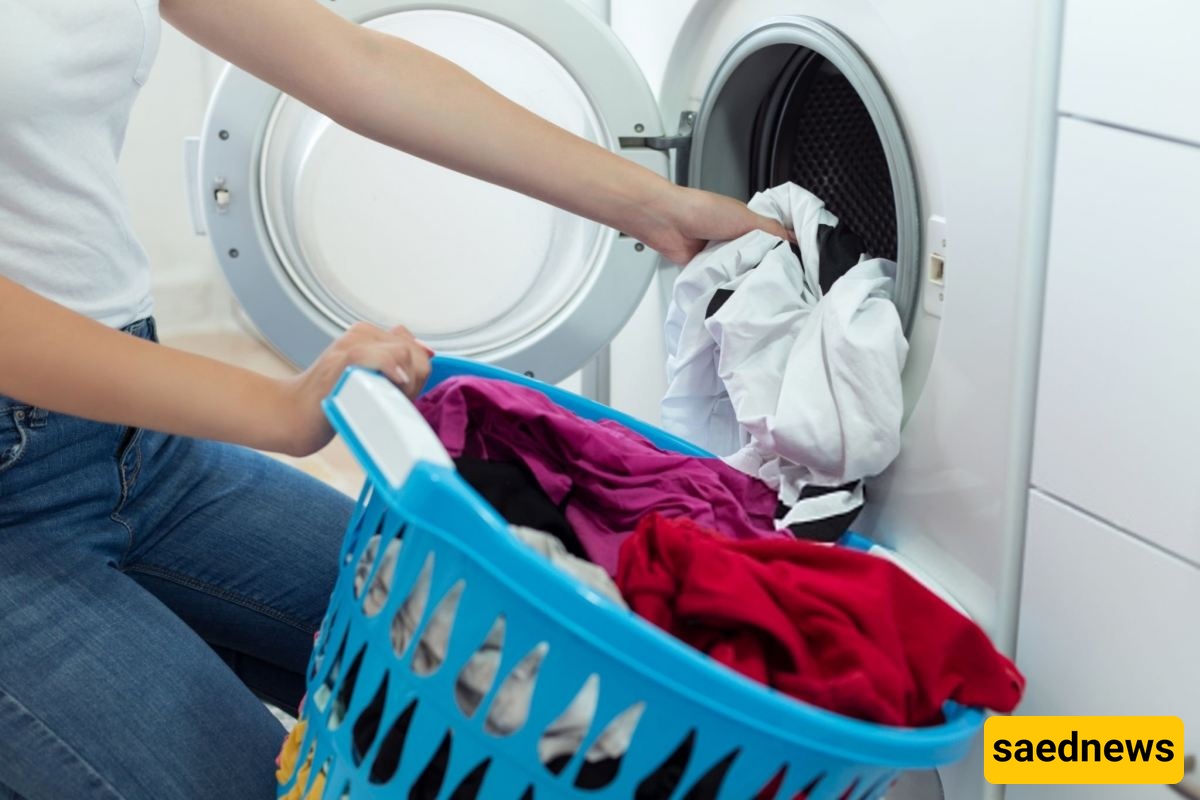
Drying systems vary considerably between models. Some washer-dryers use condenser or heat-pump technology, while others may have different water or ventilation requirements.
Follow the manufacturer's instructions regarding ventilation, drainage, water connections, and condensate tanks. If your model has a removable water container, empty it when required.
Do not open the door during operation unless the machine's instructions specifically allow it.
Clothing contaminated with gasoline, alcohol, solvents, or other flammable chemicals should never be placed in a dryer.
Heat can cause flammable residues to ignite. Oil-contaminated clothing should also be thoroughly cleaned and rinsed according to the garment and product-care instructions before machine drying.
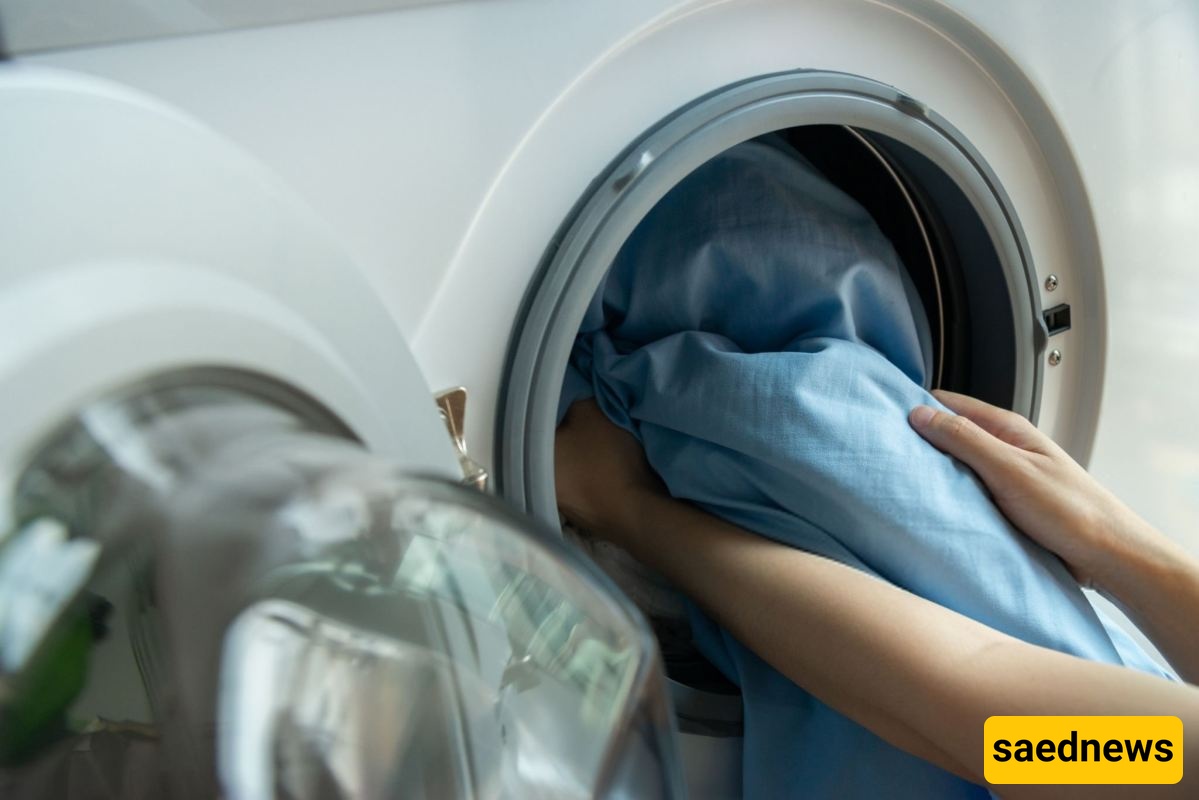
If wrinkle prevention is your priority, you do not necessarily have to dry every garment completely inside the machine.
Removing clothes while they are still slightly damp and then finishing the drying process by air can help reduce wrinkles for some fabrics.
Avoid overloading the drum, and remove garments promptly when the cycle ends. Shaking clothes out before hanging them can also help.
Routine maintenance is important for maintaining drying performance.
In addition to cleaning the appropriate filters, follow the manufacturer's instructions for cleaning the drum, moisture sensors, condenser, heat exchanger, and other components.
If the manufacturer recommends professional inspection of heating components or sensors, arrange servicing at the recommended intervals.
Some of the most frequent mistakes include:
Over-drying clothes: Excessive heat and drying time can make fabrics brittle and accelerate wear.
Overloading the drum: Crowded clothes restrict airflow and produce uneven drying.
Leaving zippers and fasteners unsecured: Close zippers and follow garment-care instructions to reduce potential damage.
Ignoring unusual noises: Stop the machine if you hear persistent grinding, banging, or other abnormal sounds and investigate the cause.
Leaving clothes inside too long: Promptly removing garments helps reduce wrinkles and stale odors.
Ignoring care labels: Always verify that the garment is suitable for tumble drying and check the recommended temperature.

Using only the drying function of a washer-dryer can be extremely convenient when clean clothes need to be dried quickly. The basic process is simple: check the drying capacity, select suitable garments, load the drum correctly, choose an appropriate drying program, and remove the clothes promptly when the cycle ends.
The most important points are to avoid overloading the machine, follow garment-care labels, remove excess water through the spin cycle, maintain filters and other components, and never place clothing contaminated with flammable substances into a dryer.
With the right settings and regular maintenance, the drying function can make laundry faster, easier, and more convenient for everyday life.