SAEDNEWS: Frequent “no” responses can be part of a child’s normal development, communication, and need for independence.

According to SAEDNEWS, a child who repeatedly says “no” is not necessarily being stubborn or deliberately difficult. Refusing requests can be a normal way for children to express independence, test boundaries, communicate preferences, or feel more in control of situations they do not fully understand.
For young children, “no” can have several meanings beyond simple refusal. A child may be tired, overwhelmed, focused on another activity, or uncomfortable with a sudden change. Sometimes, saying “no” is simply an easy response when the child does not yet have the language to explain what they want.
Common reasons may include:
Wanting more independence
Feeling tired or overwhelmed
Disliking a sudden transition
Wanting attention or connection
Testing whether a rule is consistent
Trying to make a personal choice
Recognizing the possible reason behind the response can help parents react more effectively.
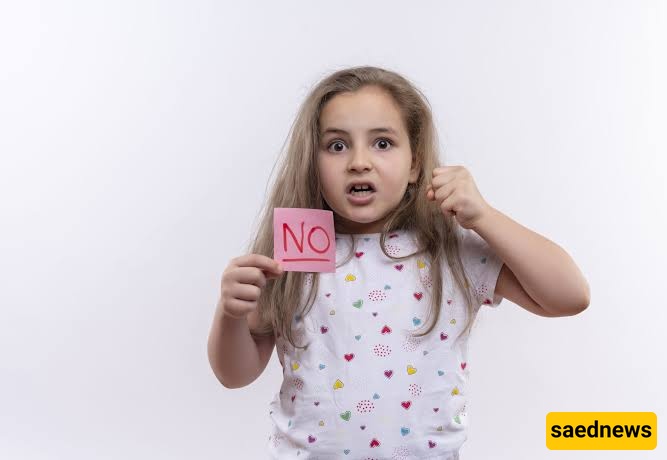
The situation surrounding the “no” often provides more information than the word itself. For example, a child who refuses to get dressed immediately after waking may simply need more time to become fully alert. Another child may resist leaving the playground because stopping a favorite activity feels difficult.
Instead of immediately labeling the behavior as disobedience, parents can briefly observe what happened before the refusal. Patterns can reveal whether the child is reacting mainly to transitions, fatigue, unfamiliar situations, or particular requests.
Children often respond better when they have some control over a decision. Parents can keep the important boundary while offering limited choices.
For example:
“Would you like to put on the blue shirt or the green one?”
“Would you like to brush your teeth before the story or after it?”
“Do you want to put your toys away by yourself or should we do it together?”
The goal is not to let the child decide every rule. It is to give them an appropriate sense of participation while the parent maintains the necessary limit.
Occasional or frequent refusal by itself does not necessarily indicate a problem. However, parents may want to pay closer attention when a child's behavior is accompanied by persistent distress, major difficulties communicating, or problems that significantly interfere with everyday family life.
A calm response is usually more useful than turning every “no” into a confrontation. Listening, acknowledging the child’s feelings, and maintaining clear and consistent boundaries can gradually teach children that they can express disagreement without turning every situation into a struggle.