SAEDNEWS: Hair ends are more prone to dryness and breakage because they are older, receive less natural oil, and face more exposure to heat, friction, and frequent washing.
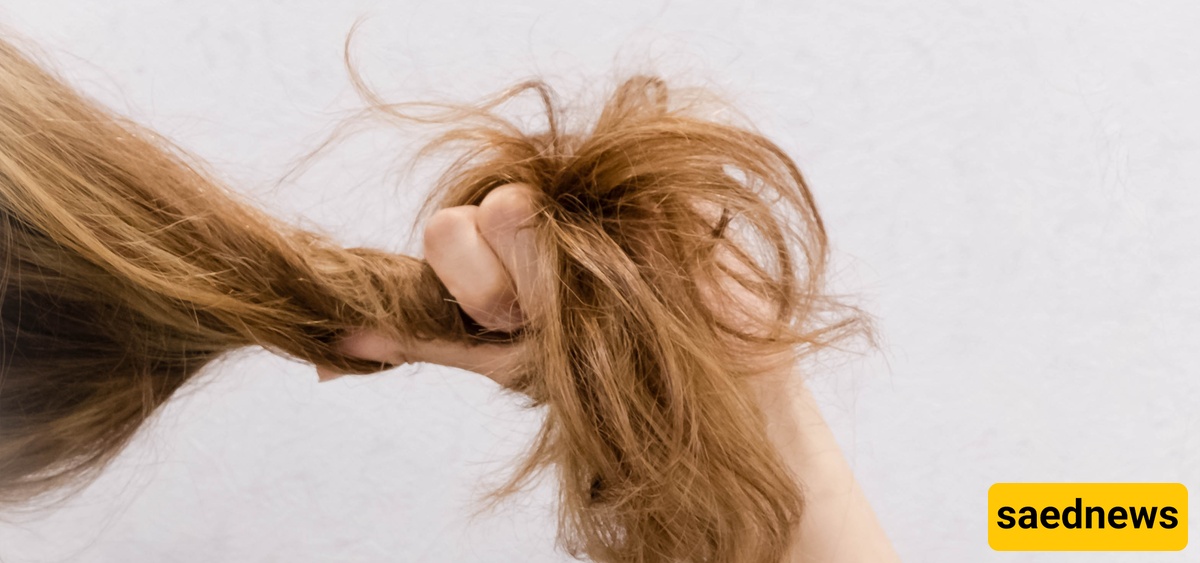
According to SAEDNEWS, the ends of the hair tend to become dry and fragile because they have been exposed to daily stress for a longer period than the newer hair near the scalp. As hair grows, its ends gradually experience brushing, washing, drying, sunlight, and contact with clothing or pillows. Over time, these repeated influences can weaken the outer protective layer and make the tips more likely to split or break.
Natural oils produced by the scalp help keep hair flexible and protected. However, these oils do not always travel easily along the entire length of the hair, especially toward the tips. As a result, the roots may appear relatively soft or oily while the ends feel noticeably dry. Longer hair can show this difference more clearly because the distance between the scalp and the ends is greater.
Hair ends are constantly exposed to friction. Brushing, tying the hair, rubbing it with a towel, and repeated contact with clothing or bedding can gradually create mechanical stress. When the protective outer layer becomes rougher, the ends may lose their smooth appearance and become more prone to tangling and breaking. Handling hair gently can help reduce unnecessary damage.
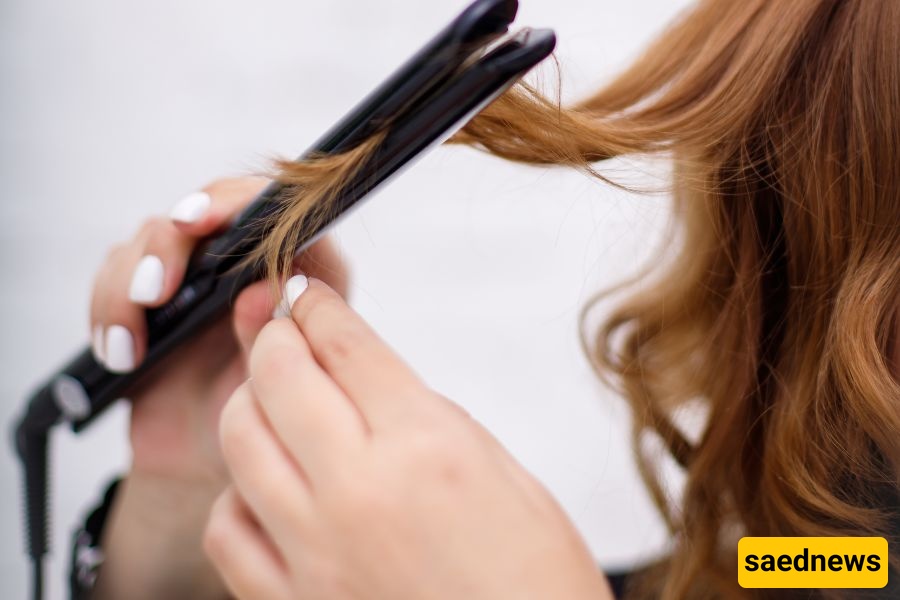
Repeated exposure to high heat can remove moisture from the hair and make the ends more brittle. Blow-drying, straightening, and other heated styling methods may have a stronger effect on the oldest sections of the hair because those areas have already experienced years of environmental and mechanical stress. Using moderate heat and avoiding excessive styling can help preserve the condition of the tips.
Keeping the ends in good condition requires gentle and consistent care. Avoiding very hot water, brushing carefully, reducing unnecessary heat exposure, and using suitable moisturizing hair-care products can help minimize dryness. Regular trimming can also remove visibly split or damaged tips, although it does not change the underlying rate of hair growth. If breakage is severe or continues despite careful care, discussing the issue with a qualified healthcare professional may be helpful.