SAEDNEWS: Scientific Review of Snake Oil for Hair: Ingredients, Evidence, Potential Risks, and Proper Use
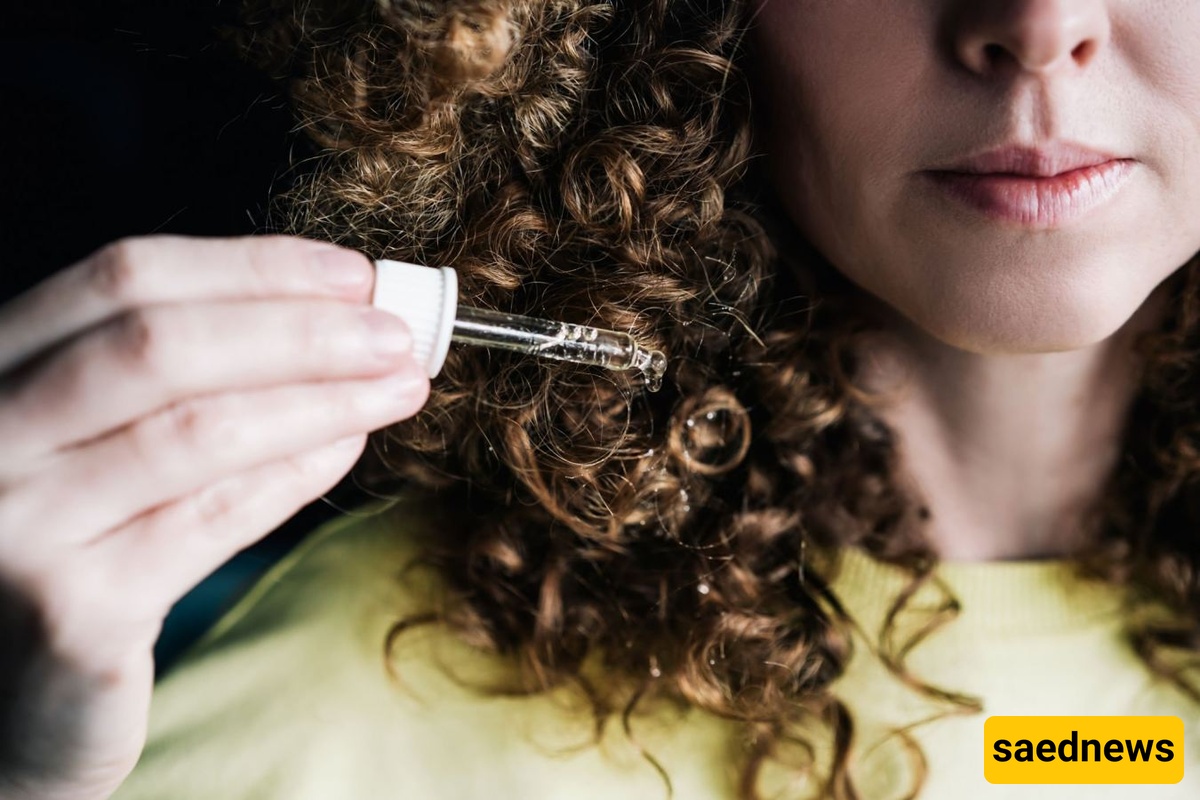
According to Saednews, In the noisy world of hair-care products, there are countless claims promising a definitive cure for hair loss or thicker, silkier hair. Among the oldest—and most controversial—ingredients is snake oil. Extracted from the body fat of various snakes, it has been used for centuries in traditional medicine in countries such as China, Vietnam, and parts of the Middle East to treat skin conditions and promote hair health.
But does snake oil actually benefit hair? Do these claims have a scientific basis, or are they simply traditional beliefs passed down through generations? This comprehensive guide takes a closer look at the potential benefits of snake oil for hair, its composition, available scientific evidence, possible risks, and proper use, so you can make a more informed decision about this traditional substance.
To understand how snake oil may affect hair, it is important to first understand what it contains. Snake oil, sometimes called snake fat, is traditionally obtained from certain snake species, including pythons, cobras, and occasionally other venomous snakes. Traditional extraction methods generally involve heating pieces of snake fat and skin.
Its chemical composition may include:
Essential fatty acids: One of the main components associated with snake oil is fatty acids, including omega-3, omega-6, and omega-9. These fatty acids are valued in skin and hair products for their moisturizing and conditioning properties. They may help maintain moisture in the hair shaft and leave hair feeling softer and looking shinier.
Fat-soluble vitamins: Snake-derived oils may contain varying amounts of vitamins A, D, and E. Vitamin E is an antioxidant that can help protect cells from oxidative stress, while vitamin A is involved in normal skin function.
Proteins and amino acids: Some preparations may contain small amounts of amino acids, which are building blocks of proteins such as keratin, the primary structural protein in hair. However, the presence of these compounds does not necessarily mean that applying them topically will strengthen or regrow hair.
Cholesterol and phospholipids: These compounds can play roles in maintaining the skin barrier and may contribute to skin conditioning.
Importantly, the exact composition of snake oil can vary considerably depending on the snake species, geographic origin, processing method, and whether the product is genuine or mixed with other oils. There is no universal standard for all products sold as snake oil.
The key question is whether these components actually provide meaningful benefits for hair. It is important to distinguish traditional claims from conclusions supported by modern scientific evidence.
The fatty acids found in oils can act as emollients, helping coat and condition the hair shaft. This may make dry hair feel softer, smoother, and shinier while reducing the appearance of frizz and roughness.
In this respect, a fatty oil may provide conditioning effects similar to other cosmetic oils, such as argan or jojoba oil. However, these benefits relate primarily to the appearance and feel of the hair, rather than new hair growth.
This is where claims about snake oil become much more exaggerated.
There is no strong, high-quality clinical evidence demonstrating that snake oil directly stimulates hair follicles or reliably causes new hair growth. Claims that it can reverse hair loss largely originate from traditional medicine and commercial marketing rather than well-established modern medical evidence.
Some oils containing omega-3 fatty acids may have anti-inflammatory properties, and reducing scalp irritation could potentially contribute to a healthier scalp environment. However, this is an indirect and uncertain effect and should not be considered equivalent to established treatments for hair loss.
Conditioning oils can help reduce friction between hair fibers and improve the feel and manageability of damaged hair. By coating the hair shaft, they may also help protect it from environmental and mechanical stress.
For dry or brittle hair, using an appropriate cosmetic oil as a hair treatment may therefore improve softness, flexibility, and appearance. However, this should not be confused with treating the underlying cause of hair loss.
An oil may help moisturize a dry scalp and temporarily reduce the sensation of tightness or dryness. Gentle scalp massage may also feel soothing.
However, people with dandruff, seborrheic dermatitis, acne-prone scalps, or other scalp conditions should be cautious, because applying heavy oils can sometimes aggravate certain problems.
Despite the potential cosmetic benefits of oils, using unregulated snake-derived products can carry significant risks.
Animal-derived products may contain proteins or other substances capable of triggering allergic or irritant reactions. Anyone considering a new topical product should exercise caution and discontinue use if redness, itching, swelling, burning, or other concerning symptoms develop.
One of the biggest concerns is product quality. Snake oils sold through informal markets or poorly regulated online sources may have uncertain ingredients, contamination, adulteration, or inadequate storage conditions.
The risks depend heavily on the product's source and manufacturing standards. A product's label alone cannot guarantee that it contains what it claims to contain.
Traditional snake oil preparations can have a distinctive, unpleasant odor that may persist in the hair even after washing.
Heavy oils can sometimes contribute to buildup on the scalp. Depending on the individual and the formulation, excessive use may worsen irritation, folliculitis, or other scalp problems.
If you still choose to try a snake-oil product, consider the following precautions:
Choose a reputable source: Look for products with clear ingredient lists, manufacturer information, production and expiration dates, and appropriate quality-control documentation.
Perform a patch test: Apply a small amount to a limited area of skin and monitor for irritation before using it more extensively. A patch test cannot guarantee that a delayed or more extensive reaction will not occur.
Use it primarily as a conditioning treatment: If the goal is to improve dry or brittle hair, a small amount can be applied to the hair shaft rather than relying on it as a treatment for hair loss.
Avoid excessive use: There is no good evidence that applying larger amounts or using snake oil more frequently will produce better results.
If your goal is healthier hair or treatment of hair loss, there are better-studied options.
Rosemary oil: Some research suggests that rosemary oil may have potential for supporting hair growth, although the evidence remains more limited than for established medical treatments.
Argan oil: Rich in fatty acids and vitamin E, argan oil can be useful as a cosmetic conditioner for dry, frizzy, or damaged hair.
Coconut oil: Coconut oil has evidence supporting its ability to reduce protein loss from hair, making it a useful option for reducing certain forms of hair damage and breakage.
Minoxidil: Topical minoxidil is one of the best-established over-the-counter treatments for certain types of hair loss. It does not provide a universal cure, and its suitability depends on the cause of hair loss.
Snake oil is an interesting part of traditional medicine, but its reputation should not be confused with strong scientific evidence.
Because oils can contain fatty acids and other conditioning compounds, a snake-oil preparation may help improve the softness, moisture, and appearance of dry or damaged hair. However, there is insufficient high-quality evidence to conclude that snake oil can reliably regrow lost hair or treat conditions such as alopecia areata.
The larger concern is product quality. Unregulated or poorly manufactured preparations may pose risks involving contamination, adulteration, irritation, or allergic reactions.
For routine hair care, better-characterized plant oils such as coconut or argan oil may offer similar cosmetic benefits with fewer uncertainties. If you are experiencing significant or persistent hair loss, the most reliable approach is to consult a dermatologist to identify the underlying cause and select an evidence-based treatment.
A traditional remedy may have an interesting history, but when it comes to hair loss, scientific evidence matters more than extraordinary claims.