SAEDNEWS: Child fatigue can appear as irritability, crying, restlessness, stubbornness, or difficulty following instructions. Recognizing these signs can help parents respond with patience and provide the rest and support children need.
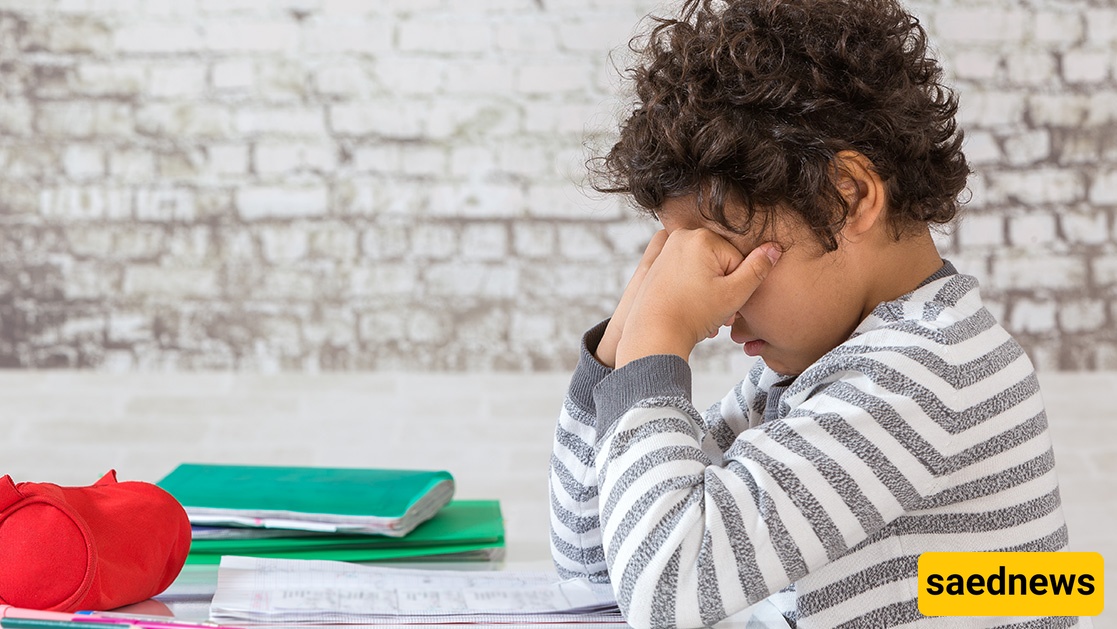
According to SAEDNEWS, tired children may behave differently from their usual selves, and their actions can sometimes be mistaken for intentional misbehavior. Recognizing fatigue as a possible cause can help parents respond more calmly and effectively.
Fatigue can make children more sensitive and easily frustrated. A tired child may become angry over small issues, complain frequently, or react strongly when something does not go their way. These reactions may seem like deliberate defiance, but the child may simply need rest and reassurance.
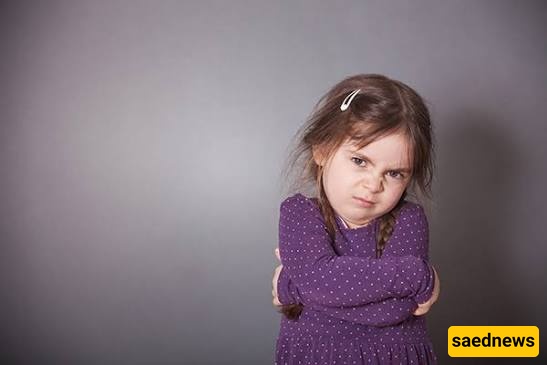
When children are exhausted, their ability to manage emotions can become weaker. They may cry over minor disappointments, become unusually clingy, or struggle to explain what is bothering them. Offering a quiet environment and allowing time to calm down can be more helpful than immediately correcting the behavior.
Some tired children do not become quiet or sleepy. Instead, they may become restless, move around constantly, interrupt others, or have trouble following simple instructions. Such behavior can sometimes be interpreted as disobedience when fatigue is actually making it harder for the child to concentrate.
A tired child may suddenly refuse ordinary activities such as getting dressed, eating, or preparing for bed. Repeated requests can increase frustration on both sides. Giving simple choices, reducing unnecessary demands, and maintaining a predictable routine may help the child cooperate more easily.
Parents can look for patterns in behavior, especially after a busy day, missed nap, late bedtime, or major change in routine. If difficult behavior appears alongside yawning, slower reactions, eye rubbing, or unusual emotional sensitivity, fatigue may be the underlying reason. Responding with patience and providing appropriate rest can often improve the child's mood.