SAEDNEWS: Children may show stress through changes in their everyday behavior rather than directly explaining how they feel. Irritability, sleep difficulties, changes in eating habits, withdrawal, and trouble concentrating can be important signs. Recognizing these changes early can help parents provide calm support and a secure environment.
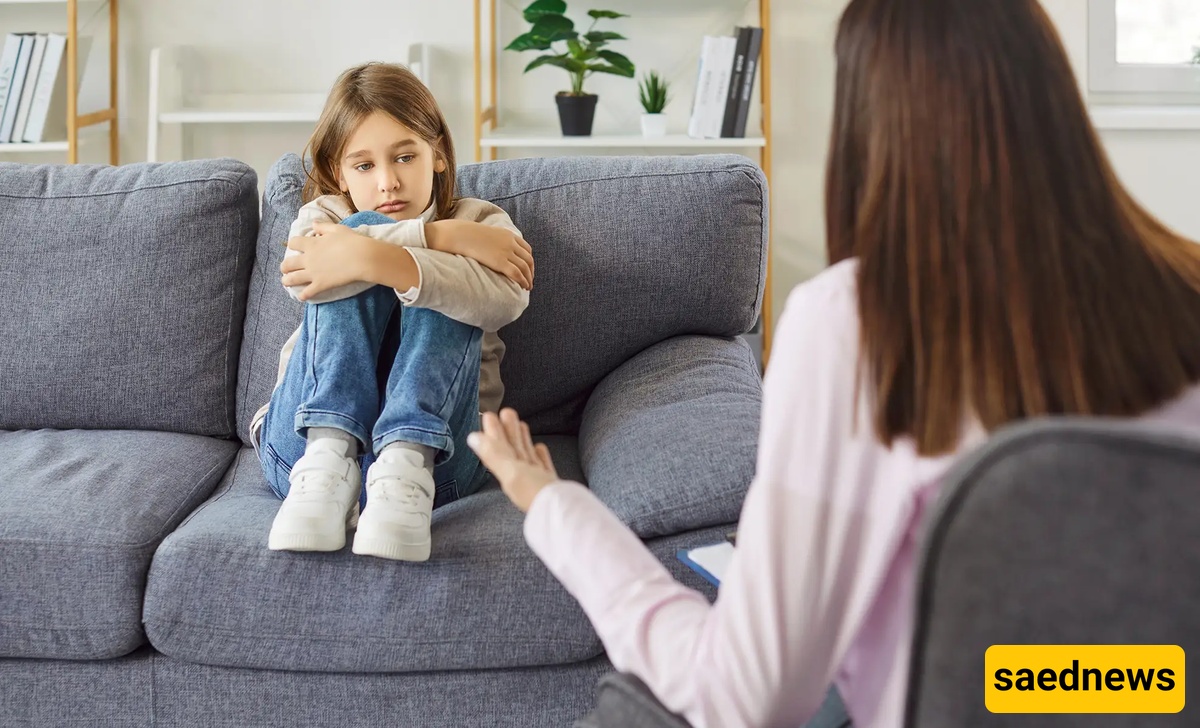
According to SAEDNEWS, stress may make children more sensitive than usual. A child who normally responds calmly may become easily upset, impatient, or prone to frequent crying. Small problems may suddenly lead to strong emotional reactions. These changes can indicate that the child is having difficulty managing inner pressure.
Stress can affect a child’s usual sleeping routine. Some children may have difficulty falling asleep, wake up repeatedly, or ask for more reassurance at bedtime. Others may seem unusually tired during the day. Paying attention to sudden changes in sleep can help parents understand that something may be bothering the child.
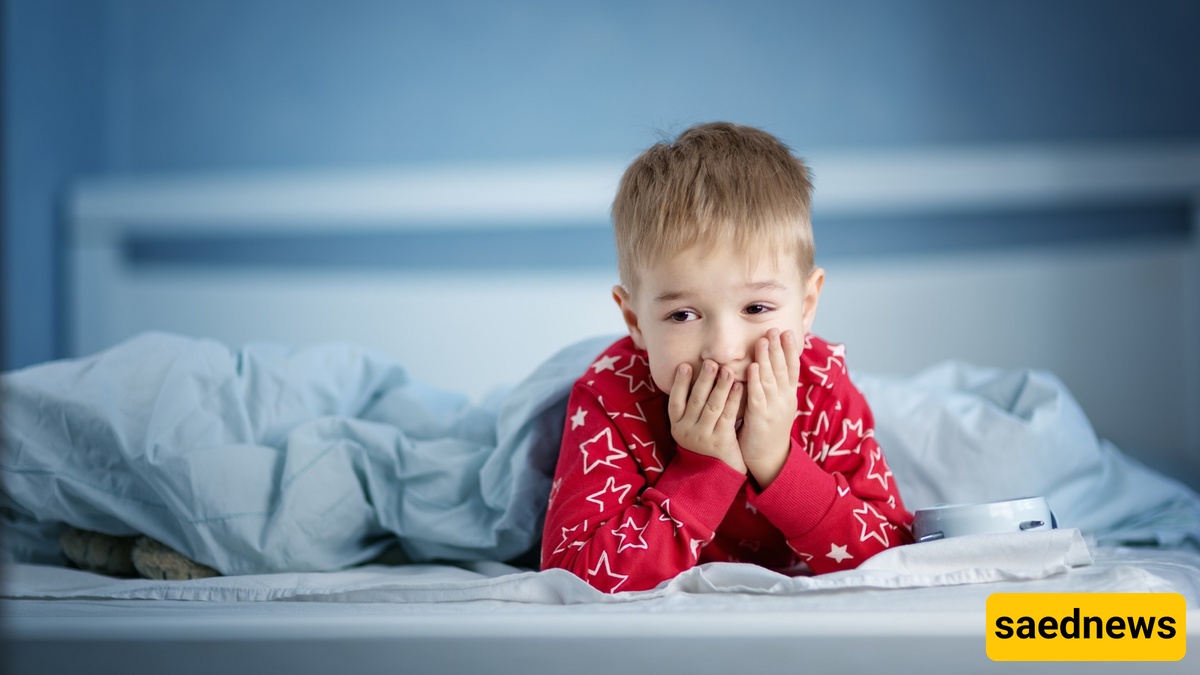
A stressed child may experience noticeable changes in appetite or eating patterns. Some children may eat less than usual, while others may frequently ask for food or snacks. Sudden changes are more meaningful when they continue for several days and occur alongside other behavioral changes.
Children experiencing stress may become quieter and spend more time alone. They might lose interest in games, hobbies, school activities, or spending time with family members. A noticeable change from the child’s normal personality can be an important signal that they need attention and emotional support.
Stress can also affect a child’s ability to focus. The child may become forgetful, have trouble completing simple tasks, or appear unusually restless. Parents can help by maintaining predictable routines, listening without judgment, and giving the child opportunities to talk about worries. If significant changes continue or interfere with daily life, discussing them with a qualified child health professional can be helpful.