SAEDNEWS: A child’s room can quickly become disorganized when everyday habits make tidying difficult. Poor storage, too many unused items, unclear routines, and putting belongings in inconvenient places can all contribute to constant mess. Recognizing these mistakes can make it easier to create a cleaner and more manageable space.
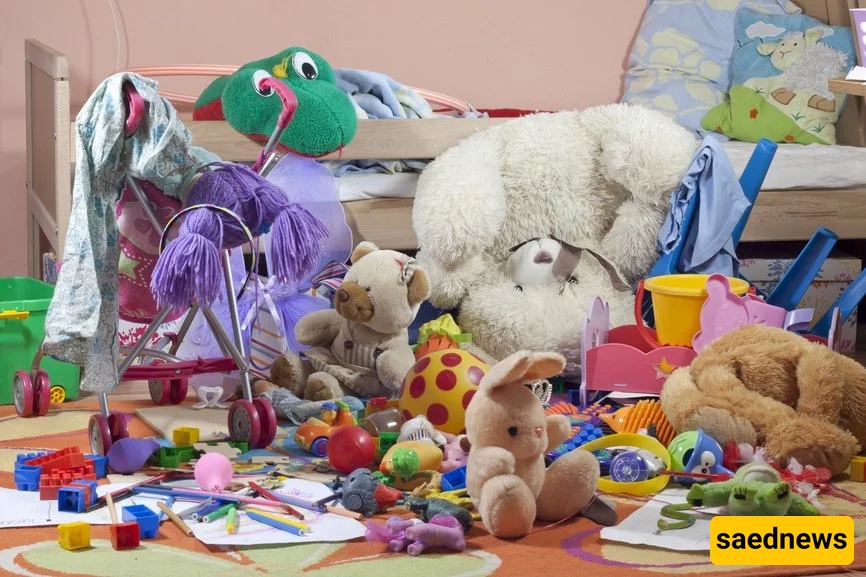
According to SAEDNEWS, one common reason a child’s room stays messy is having more belongings than the available space can comfortably hold. Toys, books, clothes, and school supplies that are rarely used can fill shelves and drawers. Regularly sorting through items and keeping only what is useful or meaningful can make the room much easier to organize.
Storage should be practical for children, not just visually attractive. When shelves, boxes, or drawers are too high or difficult to open, children may leave their belongings on the floor instead. Easy-to-reach baskets and clearly arranged storage areas can encourage children to put things away after using them.
A room becomes harder to maintain when belongings do not have designated places. Without a clear location for books, toys, clothes, and school materials, everything can end up mixed together. Assigning a simple place for each category helps children understand where items belong.
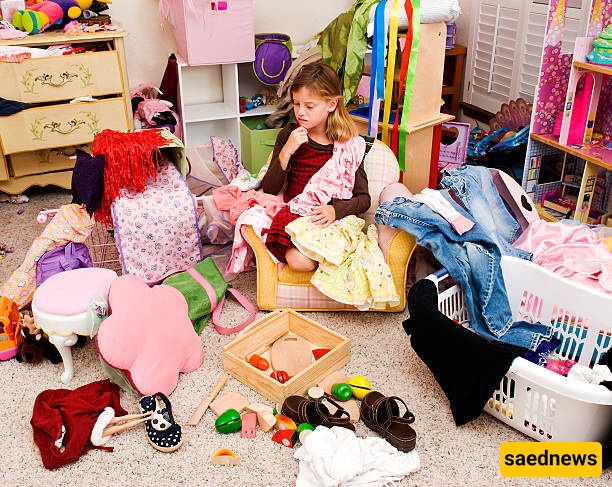
Expecting a child to keep the room perfectly clean at all times can make organization feel like an unpleasant task. Children need simple and realistic routines that match their age. A short daily cleanup, such as putting away toys and placing clothes in the appropriate spot, can be more effective than occasional major cleaning sessions.
Constantly rearranging shelves, drawers, and storage areas can confuse children and make it harder to develop consistent habits. Once a practical organization system is created, it is better to keep it stable for a while. A predictable arrangement allows children to learn where their belongings go and gradually take more responsibility for keeping the room orderly.