SAEDNEWS: Don’t worry about watering your plants while you’re on a trip! With a few simple tricks, you can take care of them and travel with peace of mind.
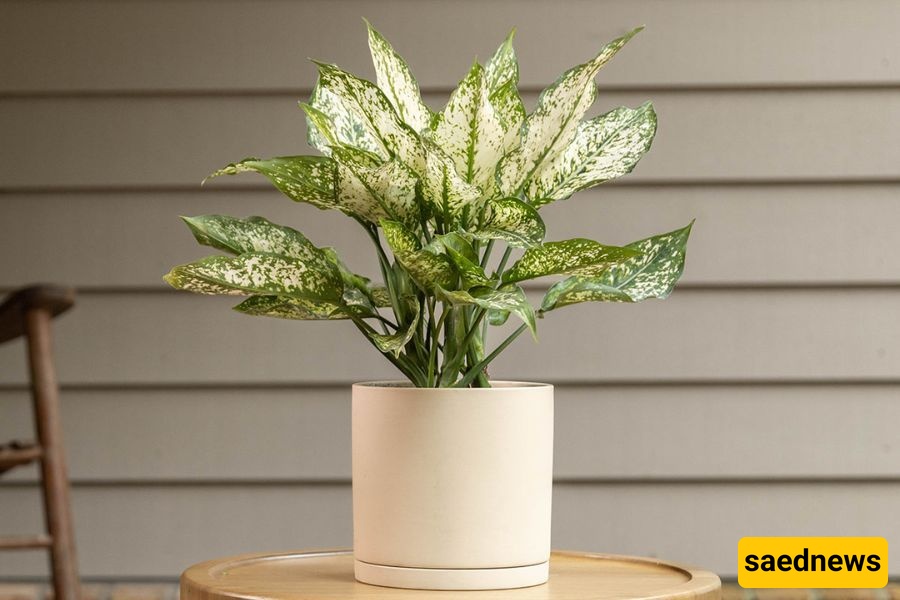
According to SAEDNEWS, Traveling is an enjoyable experience, but worrying about your houseplants can take away from that joy. Do you know how to keep your plants properly watered while you’re away so they stay healthy when you return? Fortunately, there are simple and smart methods that, with a bit of planning, allow you to travel with peace of mind without worrying about your plants.
If you are planning a trip and want your indoor plants to remain healthy and fresh until you return, take the advice in this section seriously. In this part, you will learn about the best methods for watering houseplants during travel.
Tips for Keeping Plants Healthy Before Traveling
Houseplants, due to different environmental conditions, have specific needs for growth and vitality. But don’t worry—there are several solutions for caring for both indoor and outdoor plants. To ensure your plants survive and thrive during your trip, it is recommended to fertilize them properly about a month before traveling and prune excess leaves and branches a week before departure to reduce their water consumption.
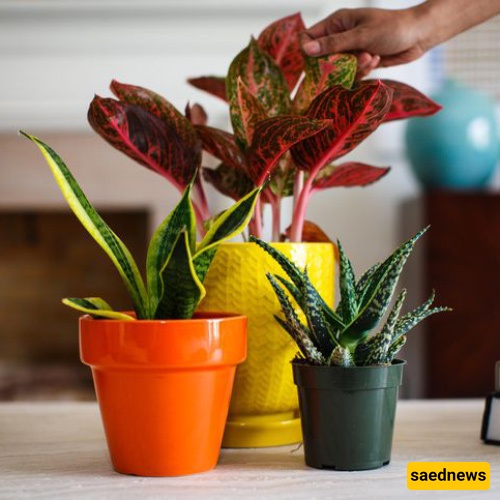
How to Prevent Plants from Drying Out While Traveling?
You should try different plant-watering methods a few weeks before going on a trip, because sometimes these techniques need slight adjustments. Don’t forget to thoroughly water your plants before leaving, even if you are using an automatic watering method. Below are some common ways to water houseplants during travel:
Wick Watering Method
In this method, place a bottle of water next to the plant, then put one end of a string or wick into the water and the other end into the soil. Water gradually moves through the wick into the soil, keeping it moist. The size of the bottle should match the length of your trip.
Important note: Before traveling, make sure to test this method to ensure the wick transfers water properly. Sometimes the type of string or material may not work well; in that case, use natural fibers or adjust the position of the bottle and plant. This method is especially suitable for plants with dense foliage.
Watering Plants While Traveling Using Self-Watering Pots
If you travel frequently, making or buying self-watering pots can be a very good solution. These pots are especially ideal for outdoor plants, but they can also be used for indoor plants, particularly those that require soil-based watering.
Self-Watering Gardens and Plant Beds
Even gardens can be designed to water themselves. By using subsurface irrigation methods and building self-watering plant beds, you can create a home garden that does not require manual watering. This approach is perfect for people who do not have much time for garden care. Although it requires some initial effort, once set up, you will no longer need to worry about watering. This method is especially suitable for gardens and outdoor plants.
Moisture Crystals
Moisture-retaining crystals are water-absorbing materials that can store large amounts of water. When placed in soil, they gradually release water and help maintain moisture.
However, moisture crystals alone cannot fully meet a plant’s water needs and should be combined with another watering method. When you are going to be away for a month or more, it is best to use them alongside a secondary irrigation system.
Drip Irrigation Method
Hearing “drip irrigation” may immediately make you think of complex systems, but simpler versions also exist that work similarly to watering globes, with the difference that you can control the water flow. This method is suitable for both indoor and outdoor plants.