SAEDNEWS: Summer fruits are delicious and refreshing, but many of them can spoil quickly if they are stored incorrectly. Using the right temperature, containers, and storage methods can help preserve their flavor, texture, and freshness for longer. Simple habits such as separating ripe fruits and avoiding excess moisture can also reduce food waste.
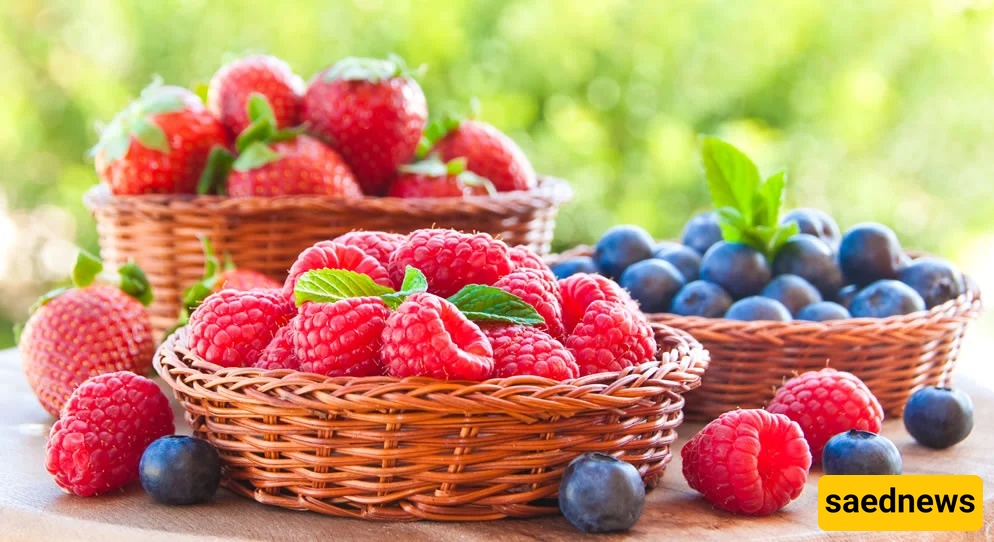
According to SAEDNEWS, different summer fruits require different storage conditions. Fruits such as peaches, nectarines, plums, and apricots can be left at room temperature until they become ripe, then moved to the refrigerator. Berries are more delicate and generally benefit from cool storage soon after purchase. Checking the fruit before storing it and removing damaged pieces can also help prevent spoilage from spreading.
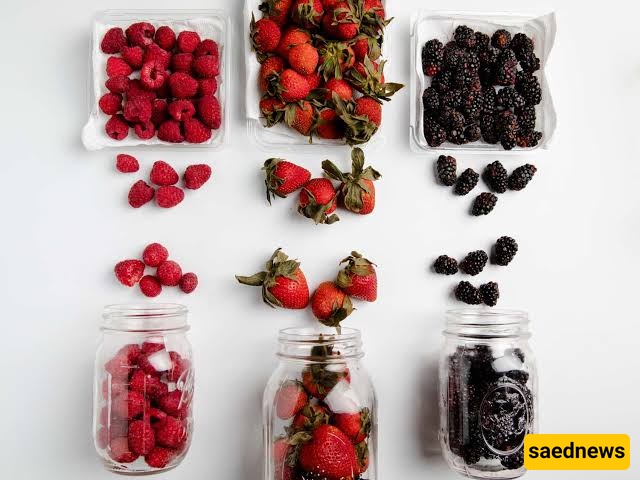
Moisture can cause berries to become soft and moldy quickly. It is better to avoid washing them until they are ready to eat. Store them in a clean container that allows some air circulation, and place a paper towel underneath to absorb excess moisture. Strawberries, raspberries, blueberries, and blackberries should be checked regularly so any spoiled pieces can be removed promptly.
Whole melons can usually remain at room temperature until they are ripe. Once cut, they should be placed in a covered container and refrigerated. Cutting the melon into smaller portions can make it easier to use, but keeping the pieces well covered helps prevent them from absorbing other odors and losing moisture. Always use clean utensils when preparing cut fruit.
Some fruits release natural gases that can speed up the ripening of nearby produce. Keeping very ripe fruits separate from those that are still firm can help slow down unwanted ripening. A simple way to organize the refrigerator is to keep delicate fruits in suitable containers and regularly check those that are approaching full ripeness.
Freezing is a practical solution when there is more summer fruit than can be eaten fresh. Wash and dry suitable fruits thoroughly, remove stems, seeds, or pits when necessary, and cut larger pieces into convenient portions. Spread the pieces separately before freezing so they do not stick together, then transfer them to airtight freezer-safe containers or bags. Frozen fruit can later be used in smoothies, homemade desserts, or other recipes.