SAEDNEWS: Some children struggle to express their feelings because of shyness, limited emotional vocabulary, or fear of criticism. Patient support and open communication can help them share emotions more comfortably.
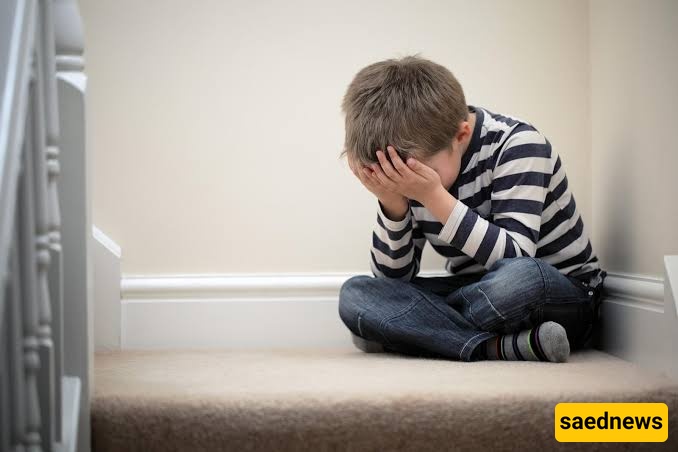
According to SAEDNEWS, children do not always have the words or confidence needed to explain what they are feeling. A child may experience sadness, anger, worry, or disappointment but struggle to describe the emotion clearly. Younger children especially may communicate through behavior rather than words, such as becoming quiet, crying, or avoiding others.
Some children simply need more practice learning words for different feelings. If a child knows only basic words such as “happy” or “sad,” describing more complicated emotions can be challenging. Parents can gradually expand emotional vocabulary by talking about everyday situations and helping children connect feelings with appropriate words.
Children may avoid expressing their emotions when they worry about being criticized, ignored, or misunderstood. If they have previously received negative reactions after sharing their feelings, they may become more reluctant to speak openly. Creating a calm environment where children can talk without immediate judgment can make emotional communication easier.
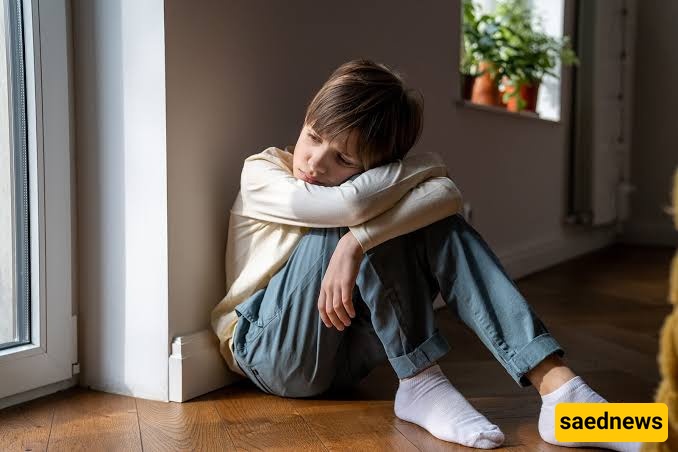
Not every child communicates emotions in the same way. Some children speak openly, while others prefer drawing, writing, playing, or spending quiet time before talking. Paying attention to a child's behavior and giving them different ways to communicate can help parents understand what the child may be experiencing.
Patient listening is one of the most helpful ways to support emotional expression. Instead of immediately correcting or dismissing a child's feelings, parents can listen carefully and acknowledge the emotion. Simple questions such as “Are you feeling upset?” or “Would you like to tell me what happened?” can encourage children to communicate at their own pace.
Children gradually become better at expressing feelings when emotional conversations are treated as a normal part of daily life. Parents can regularly talk about emotions, model respectful communication, and reassure children that having different feelings is natural. With patience, understanding, and consistent support, many children can develop stronger emotional awareness and greater confidence in expressing themselves.