SAEDNEWS: Peach is one of the delicious fruits of summer and offers numerous health benefits. In this article, we will explore the calorie content, nutritional value, and health benefits of peaches.
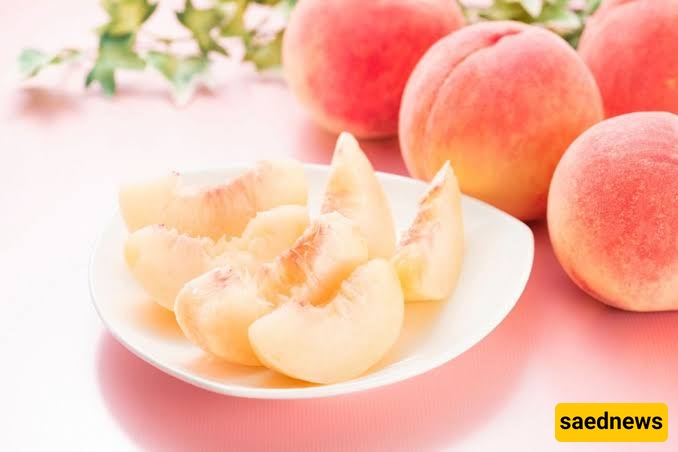
According to Saednews, Peaches are juicy fruits believed to have originated in South Asia and China. They belong to the same fruit family as plums and cherries. In Chinese culture, peaches have long been associated with longevity and immortality, which has contributed to their cultural importance. China is also one of the world's major peach-producing and exporting countries.
A ripe peach typically has a soft, velvety skin and a naturally sweet flavor. Peaches are generally divided into two main types: clingstone peaches, whose flesh remains attached to the pit, and freestone peaches, whose flesh separates easily from the pit.
Peaches are relatively low in calories. Every 100 grams of peach contains approximately 35 calories.
Nutrient | Amount per 100 g |
|---|---|
Calories | 35 kcal |
Water | 88 g |
Carbohydrates | 9 g |
Calcium | 8 mg |
Potassium | 200 mg |
Phosphorus | 17 mg |
Iron | 0.5 mg |
Vitamin A | 1,400 IU |
Vitamin B1 | 0.02 mg |
Vitamin B2 | 0.05 mg |
Vitamin B3 | 1 mg |
Vitamin C | 7 mg |
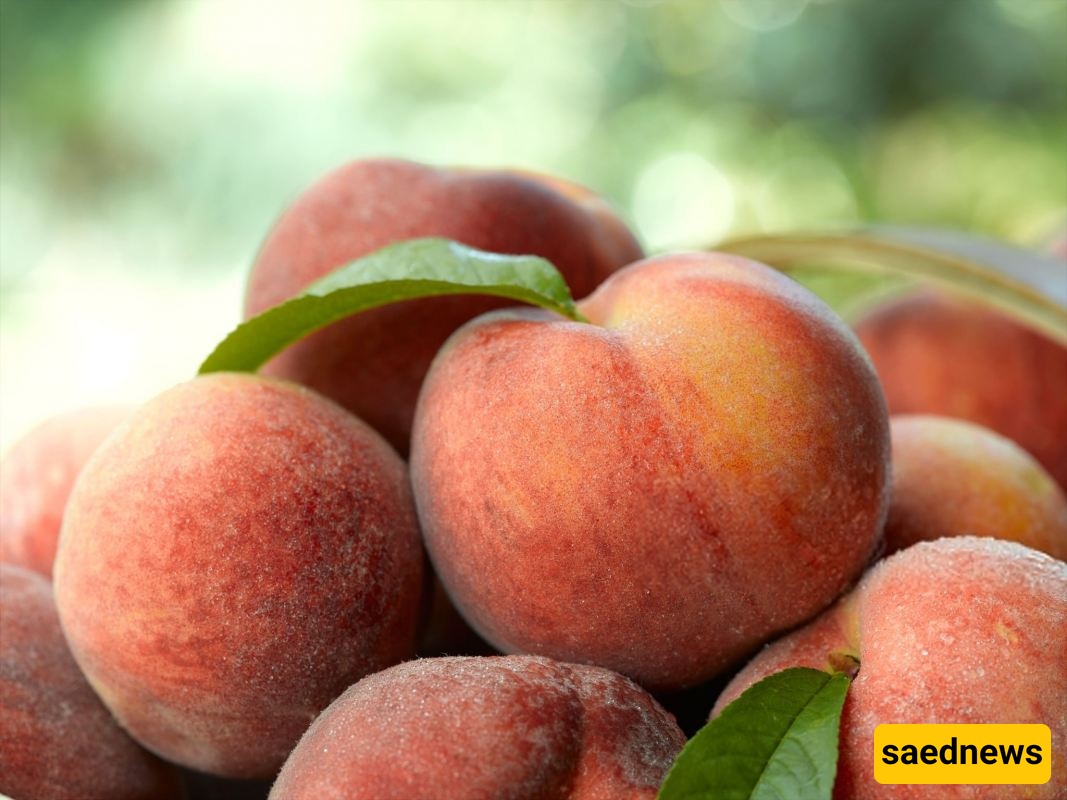
Potassium is an essential mineral that supports normal heart function, nerve signaling, muscle activity, and fluid balance. Peaches provide potassium and can contribute to maintaining an adequate intake of this important nutrient.
A balanced potassium intake also supports normal metabolic processes and helps maintain healthy electrolyte levels in the body.
Cancer is influenced by many different factors, including lifestyle and environmental factors. A diet rich in fruits and vegetables can provide antioxidants and other protective plant compounds.
Peaches contain phenolic compounds, flavonoids, and carotenoids, which have antioxidant properties. These compounds help protect cells from oxidative stress caused by free radicals.
Peaches also contain beta-carotene, a carotenoid involved in maintaining normal cellular and immune function.
Good vision depends on adequate amounts of several vitamins, minerals, and plant compounds. Peaches contain carotenoids, including beta-carotene, lutein, and zeaxanthin.
Lutein and zeaxanthin are particularly important for eye health because they are concentrated in the retina. Including peach and other colorful fruits and vegetables in a balanced diet can therefore contribute to overall nutritional support for healthy vision.
Healthy, glowing skin is closely connected with an overall balanced diet. Peaches provide vitamin C, a nutrient required for normal collagen production and healthy connective tissue.
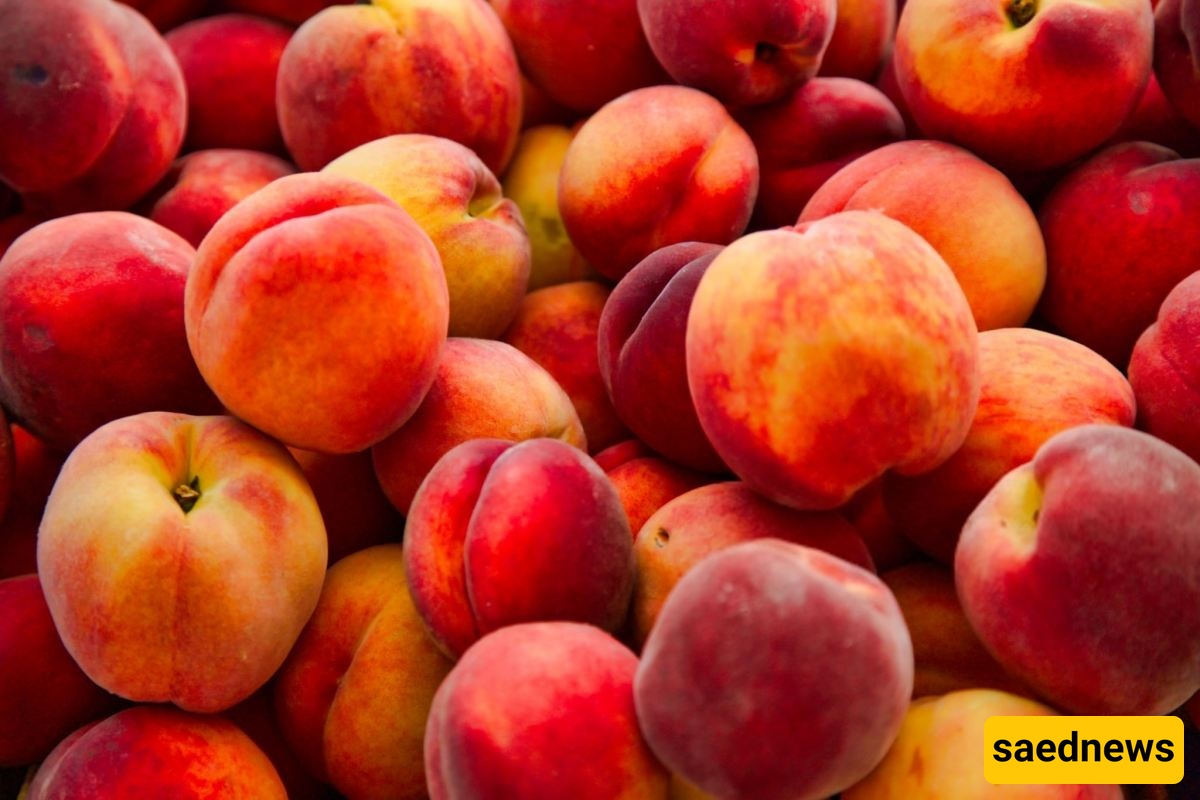
Vitamin C also acts as an antioxidant, helping protect cells from oxidative stress. The combination of vitamin C and other plant compounds found in peaches may therefore support healthy-looking skin as part of a nutritious diet.
Peach extracts are also commonly used in cosmetic and skincare products.
Peaches contain a small amount of iron as well as folate. Iron is essential for producing hemoglobin, the protein in red blood cells responsible for carrying oxygen throughout the body.
Folate also plays an important role in the production and maintenance of cells, including blood cells. Although peaches can contribute to overall nutrient intake, they should not be considered a treatment for iron-deficiency anemia.
For people who need more iron, combining plant-based iron sources with foods containing vitamin C can help support iron absorption.
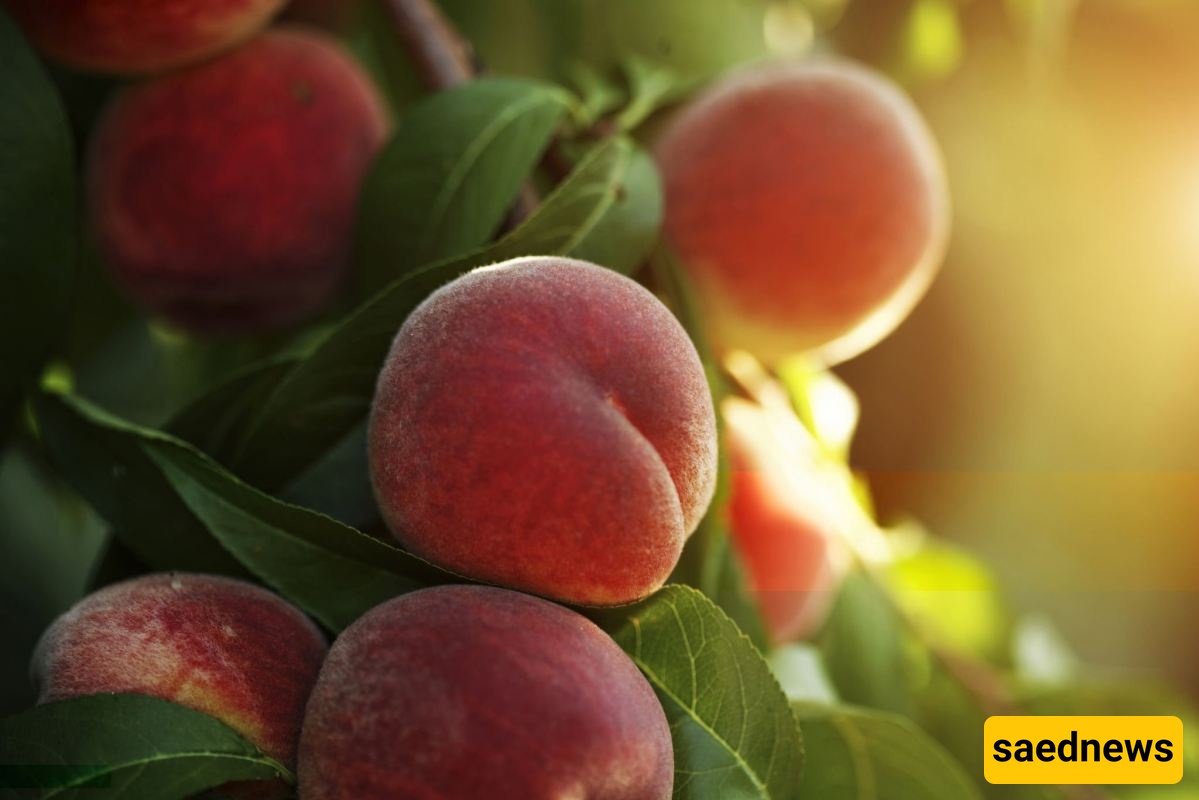
The brain and nervous system require a steady supply of essential nutrients to function properly. Fruits such as peaches provide vitamins, minerals, antioxidants, and other plant compounds that can contribute to a balanced diet.
Including a variety of fruits in the diet is especially useful during periods of growth because children and teenagers have increased nutritional needs.
A healthy immune system depends on adequate nutrition rather than a single food. Peaches provide vitamin C along with smaller amounts of other nutrients that contribute to normal immune function.
Vitamin C is an antioxidant and plays an important role in supporting the body's natural immune defenses. Eating peaches as part of a varied diet can therefore help contribute to overall nutritional support for the immune system.
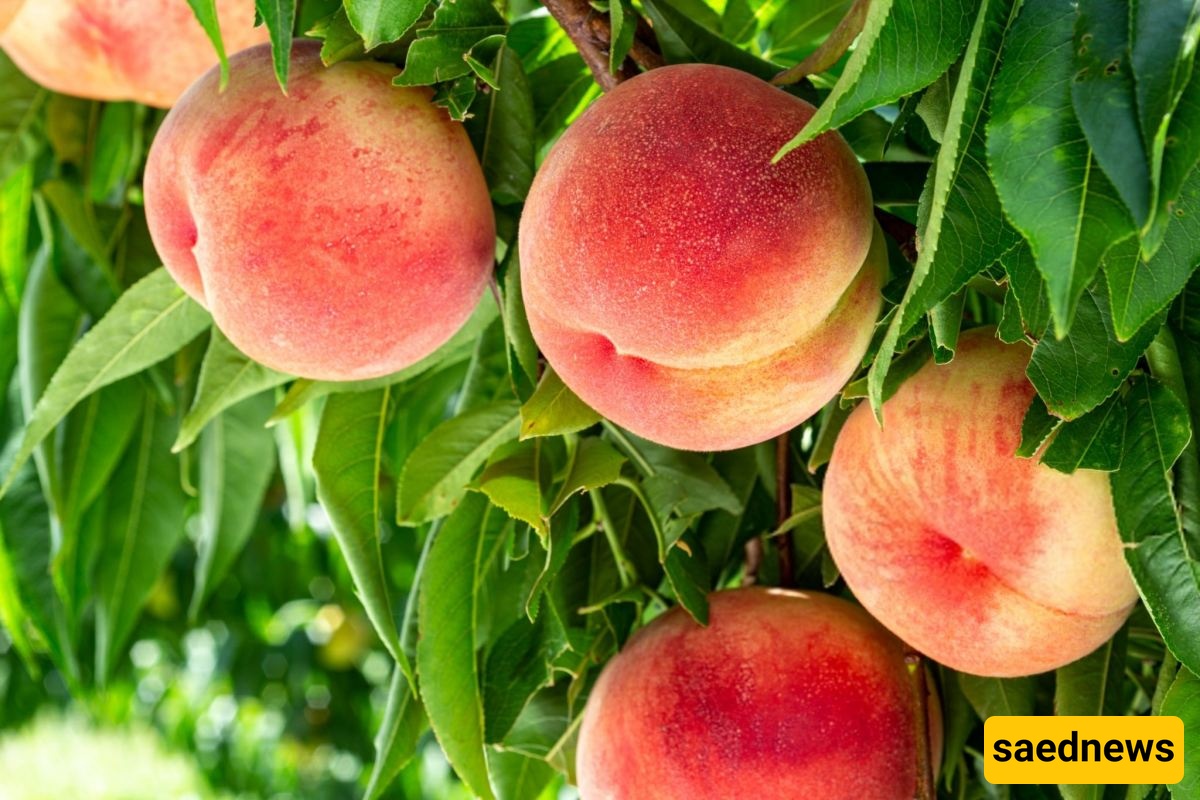
The calorie content depends on the size of the fruit. As a general guide, 100 grams of peach contains about 35 calories. This makes peaches a relatively light option for a snack or as part of a balanced meal.