SAEDNEWS: Tooth chipping is a common issue that many people experience after getting dental composite bonding. Composite bonding is a popular cosmetic dental procedure that can enhance both the appearance and function of the teeth.
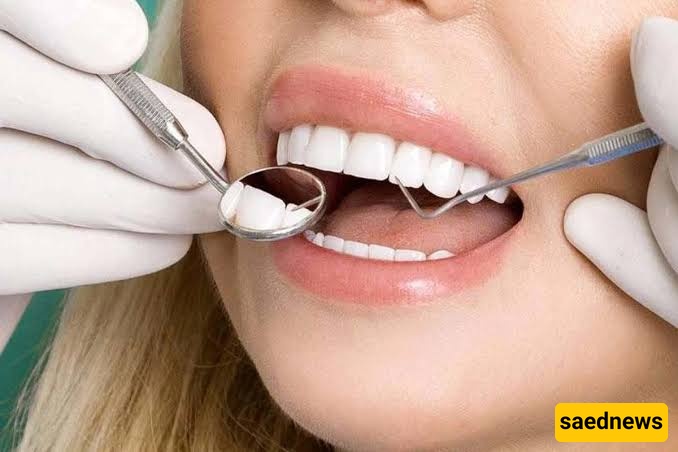
According to Saednews, Dental bonding is a minimally invasive and relatively quick cosmetic dental procedure in which dentists use tooth-colored composite resin to repair chipped or broken teeth. It can also be used to close small gaps between teeth and conceal discoloration or stains.
One of the most important aspects of dental bonding is choosing the right composite shade. If the resin does not closely match the natural color of the tooth, the restoration can become noticeable and affect the overall appearance of the smile.
Dental bonding can create a natural-looking and attractive smile. When properly matched and applied, the composite is difficult to distinguish from the surrounding tooth structure, making bonding one of the most popular cosmetic dental treatments.
Dental bonding generally takes about 30 to 60 minutes per tooth, depending on the condition of the tooth and the extent of the treatment.
The procedure typically involves several steps:
The affected tooth is cleaned and prepared.
The dentist applies a bonding agent to help the composite adhere to the tooth surface.
Tooth-colored composite resin is carefully applied to the tooth.
A special curing light is used to harden the material.
The composite is shaped and contoured to achieve the desired appearance and function.
Finally, the bonded tooth is polished to give it a smooth, natural-looking shine.
Because composite bonding is performed directly on the tooth, treatment can often be completed in a single dental visit.
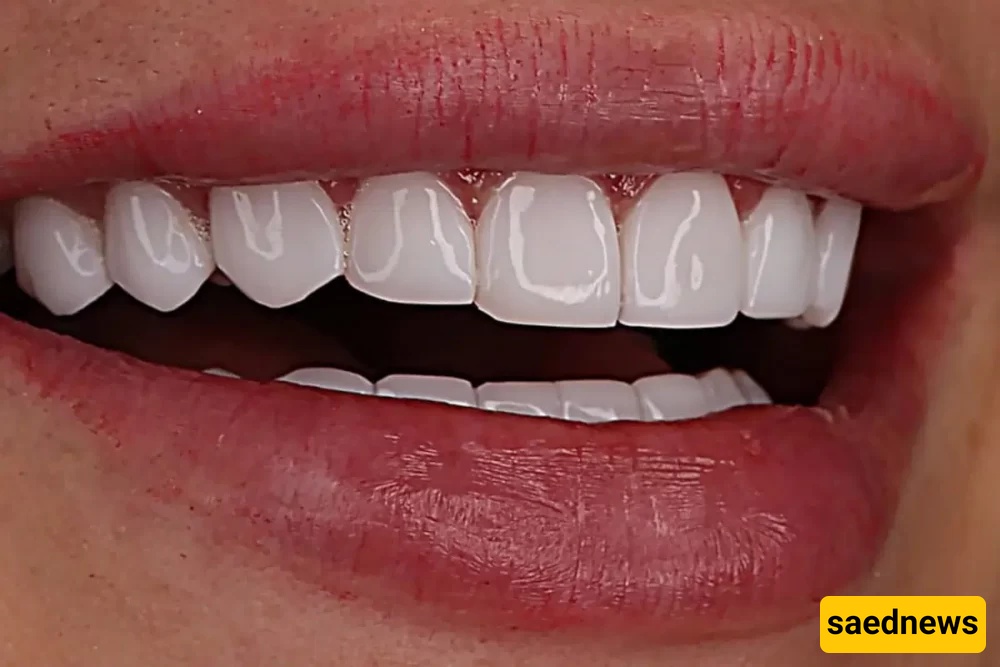
Composite resin can become damaged for several reasons, and in some cases, the restoration may need to be repaired or replaced. Common factors include the following.
Biting down on hard foods or objects can place excessive pressure on bonded teeth. Accidents during sports or other activities can also cause the composite to chip or fracture.
Habits such as teeth grinding, nail biting, chewing ice, or biting on pens and other hard objects may shorten the lifespan of dental bonding and increase the risk of damage.
Inadequate oral hygiene can lead to tooth decay, which may compromise the bonded area. Insufficient brushing or flossing, as well as frequent consumption of highly pigmented or sugary foods and drinks, can affect both natural teeth and composite restorations.
These factors may cause staining, weaken the bond between the tooth and composite resin, and eventually make the restoration more vulnerable to chipping or breaking.
The quality of the material used can also influence the durability of dental bonding. High-quality composite resin generally provides better performance than lower-quality materials.
Composite resin is available in a variety of shades to closely match natural teeth. Although it is not as strong as natural enamel, selecting an appropriate material and shade and applying it correctly can contribute to a longer-lasting restoration.
Although dental bonding is relatively straightforward, it is a technique-sensitive procedure. A restoration that is improperly bonded, excessively high, or poorly aligned with the opposing teeth may be more likely to experience premature wear or damage.
For this reason, choosing an experienced dentist is important for achieving a secure, functional, and natural-looking result.
Composite resin used in dental bonding is not as strong as natural tooth enamel. Repeated teeth grinding, biting hard foods, or chewing on particularly tough objects can cause bonded material to chip, crack, or fracture.
However, a damaged bonding restoration is not usually a major problem. In many cases, the composite can be repaired or replaced during a single dental appointment.
On average, dental bonding can last approximately 5 to 8 years. Its lifespan depends on factors such as the location of the restoration, the quality of the material, the dentist’s technique, oral hygiene, and everyday habits.
With proper care and good oral health, bonded teeth can remain attractive and functional for many years and may require fewer repairs or replacements.
Dental bonding can become damaged because of trauma, inadequate oral hygiene, or long-term wear. If your composite chips, cracks, or falls off, there is generally no need to panic. Composite bonding can often be repaired relatively easily.
Nevertheless, you should contact your dentist as soon as possible to have the area examined. Prompt treatment can help reduce the risk of further damage, discomfort, or complications.
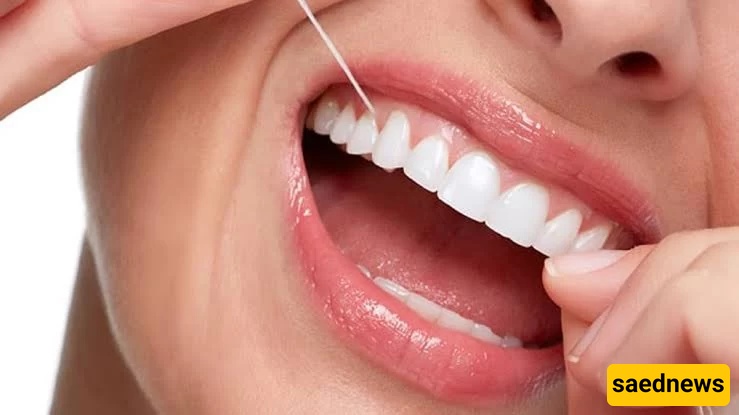
If your composite restoration becomes loose, cracked, chipped, or falls out, arrange a dental appointment as soon as possible. Depending on the condition of the tooth and remaining composite, your dentist may repair the existing restoration or replace it.
A chipped or broken restoration may leave part of the tooth more exposed to bacteria and external irritation. Leaving the area unprotected for an extended period can increase the risk of dental problems.
Unlike many indirect restorative treatments that require laboratory fabrication, composite bonding is a direct restoration. This means the dentist can usually rebuild and reshape the tooth directly in the mouth without requiring multiple visits or laboratory work.
If the bonding is chipped or loose but some of the material remains attached to the tooth, do not attempt to remove it yourself. Leave it in place until you can see your dentist.
Pulling or forcing off remaining composite may damage the tooth and potentially cause sensitivity or discomfort.
If a bonded tooth has chipped or the composite has fallen out, keep the area clean and avoid chewing hard or sticky foods on that side.
Continue brushing gently around the affected area to minimize bacterial buildup while waiting for your dental appointment.
Dental bonding offers several advantages and can be an effective and relatively affordable cosmetic treatment when it is appropriate for your dental needs. Proper maintenance can help extend the life of the restoration.
Here are some essential care tips:
Brush your teeth at least twice a day and floss daily. Good oral hygiene helps maintain healthy teeth and gums and protects the bonded areas.
Limit hard, sticky, and highly pigmented foods and drinks that can stain or damage composite resin.
Avoid biting your nails, chewing ice, or biting hard objects such as pens.
If you grind or clench your teeth, talk to your dentist about appropriate protection, such as a custom night guard.
Visit your dentist regularly for checkups and professional cleaning. During these appointments, your dentist can examine your teeth, gums, and composite restorations for signs of wear, cracks, or chipping.
With appropriate care and regular dental visits, dental bonding can remain a natural-looking and functional part of your smile for years.