SAEDNEWS: Rosemary oil may increase hair growth by up to 22%. Rich in anti-inflammatory and antioxidant properties, this plant-based oil may help strengthen hair follicles, reduce hair loss, improve dandruff, and enhance hair shine.

According to Saednews, Do you know that some scientific research suggests rosemary oil may support hair growth? This plant-based oil has been used in traditional medicine for centuries and has become a popular natural option for improving hair and scalp health. The potential benefits of rosemary oil for hair include supporting hair growth, reducing hair shedding, and improving scalp condition. But what exactly is rosemary oil, and why is it commonly included in hair-care products? Thanks to its anti-inflammatory and antioxidant properties, rosemary oil may offer several benefits for maintaining healthy hair and a balanced scalp.
Hair loss is a common concern affecting both women and men. Among natural approaches, rosemary oil has attracted considerable attention. Its active compounds may help support hair follicles and create a healthier environment for hair growth. In this article, we explore the potential benefits of rosemary oil for hair, its possible role in managing hair loss, and practical ways to incorporate it into a hair-care routine.
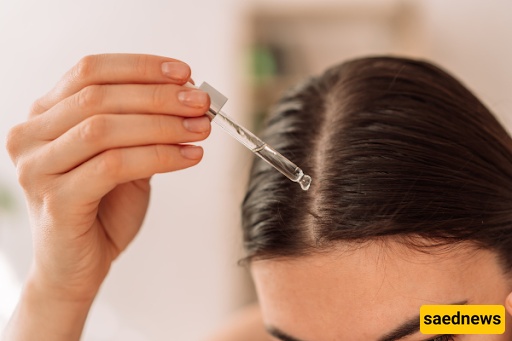
If you are looking for a natural addition to your hair-care routine, rosemary oil may be worth considering. This botanical oil may help strengthen the hair and support scalp health while providing antioxidant and anti-inflammatory benefits.
Some of the commonly discussed benefits include:
Supporting hair growth: Regular scalp massage with rosemary oil may help promote circulation around the hair follicles and support healthier-looking hair.
Helping reduce hair shedding: Rosemary oil may help maintain the condition of hair follicles and support stronger hair.
Strengthening hair: Its antioxidant compounds may help protect hair from environmental stressors.
Supporting a healthy scalp: Its antimicrobial and anti-inflammatory properties may help reduce scalp irritation, itching, and flaking.
Helping dry hair: When properly diluted with a carrier oil, rosemary oil can be incorporated into moisturizing hair treatments that help reduce dryness and breakage.
For people interested in natural hair-care options, rosemary oil can be used alongside a suitable shampoo and other scalp-care products.
There are several ways to incorporate rosemary oil into a hair-care routine. Because essential oils are highly concentrated, they should generally be diluted before being applied directly to the scalp.
Mix a few drops of rosemary essential oil with an appropriate carrier oil and gently massage the mixture into the scalp. Leave it on for around 30 minutes before washing your hair.
Rosemary oil can be incorporated into a suitable shampoo or conditioner in properly diluted amounts. This can make it easier to include rosemary in your regular hair-care routine.
Combining diluted rosemary oil with coconut oil can create a conditioning treatment that helps moisturize dry hair and reduce the feeling of brittleness.
A rosemary-infused water preparation can be used as a scalp and hair spray. If essential oil is added, it should be properly dispersed and diluted rather than applied directly to the scalp.

Some people prefer applying a diluted rosemary-oil treatment before bed and washing their hair the following morning. If irritation occurs, discontinue use.
These approaches may help you incorporate rosemary into a routine focused on scalp care, hair strength, and maintaining healthy-looking hair.
Rosemary oil is often discussed in connection with several common hair and scalp concerns.
Research has investigated rosemary oil as a potential option for people experiencing pattern hair loss. Some studies have compared it with minoxidil, although rosemary oil should not automatically be considered a replacement for clinically established hair-loss treatments.
Stress can contribute to temporary hair shedding. Maintaining a healthy scalp and gently massaging the scalp may be beneficial as part of an overall hair-care routine.
Because rosemary contains compounds with antimicrobial and anti-inflammatory activity, rosemary-based products may help support scalp cleanliness and reduce some symptoms associated with irritation and flaking. Persistent dandruff or dermatitis should be evaluated by a healthcare professional.
Rosemary oil itself is not a substitute for a moisturizing treatment, but properly diluted rosemary oil can be incorporated into conditioning routines designed to improve the feel and manageability of dry or damaged hair.
Rosemary is sometimes promoted as a way to slow premature graying because of its antioxidant properties. However, strong clinical evidence that rosemary oil can prevent or reverse gray hair is limited.
The anti-inflammatory properties of rosemary may make it a useful ingredient in some scalp-care formulations. However, people with conditions such as psoriasis should consult a dermatologist rather than relying solely on essential oils.

Rosemary has antimicrobial properties, but rosemary oil should not be considered a proven treatment for fungal or bacterial scalp infections. Medical treatment may be necessary when an infection is suspected.
Rosemary is also found in a variety of shampoos and other hair-care products. These products are designed to combine rosemary extract or oil with other ingredients intended to cleanse, condition, and strengthen the hair.
This shampoo combines rosemary and rose extracts with ingredients such as wheat protein. It is marketed as a botanical hair-care product intended to help nourish and strengthen the hair while supporting the appearance of healthier roots.
This shampoo contains lavender and rosemary extracts and is designed to support the roots while helping maintain scalp moisture. The combination of botanical extracts is also promoted for its antioxidant and soothing properties.
Vitamol Rosemary Shampoo is formulated with rosemary as one of its active botanical ingredients. It is marketed for strengthening the hair and supporting a healthier appearance while helping reduce the appearance of hair shedding.
This product combines avapuhy and rosemary extracts and is positioned for damaged and fine hair. Avapuhy is used for its moisturizing and conditioning properties, while rosemary is included to support the scalp and hair roots. The formulation is intended to help improve the feel of fragile hair and maintain moisture.
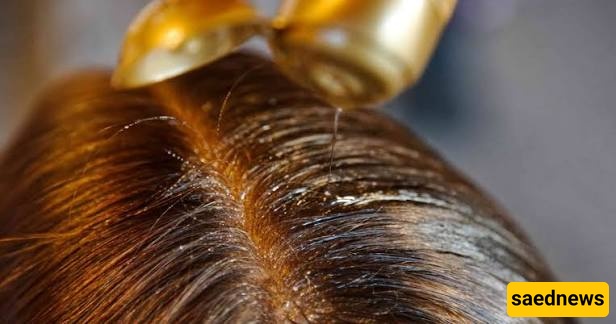
Rosemary oil has become a popular ingredient in modern hair care because of its antioxidant, anti-inflammatory, and antimicrobial properties. It may be useful as part of a broader routine for supporting scalp health, reducing dryness, and promoting stronger-looking hair.
However, claims about rosemary oil should be viewed realistically. It is not a guaranteed cure for hair loss, and persistent or significant hair shedding can have many causes. For ongoing hair loss, scalp disease, or sudden changes in hair growth, professional medical evaluation is the safest approach.
When using rosemary essential oil, always dilute it appropriately and perform a patch test before regular use to reduce the risk of skin irritation.