SAEDNEWS: A Wall Street Journal analysis has raised concerns about vulnerabilities exposed within the U.S. military during the conflict with Iran, claiming Iranian attacks damaged at least 20 sites used by American forces across eight countries and affected dozens of military aircraft.
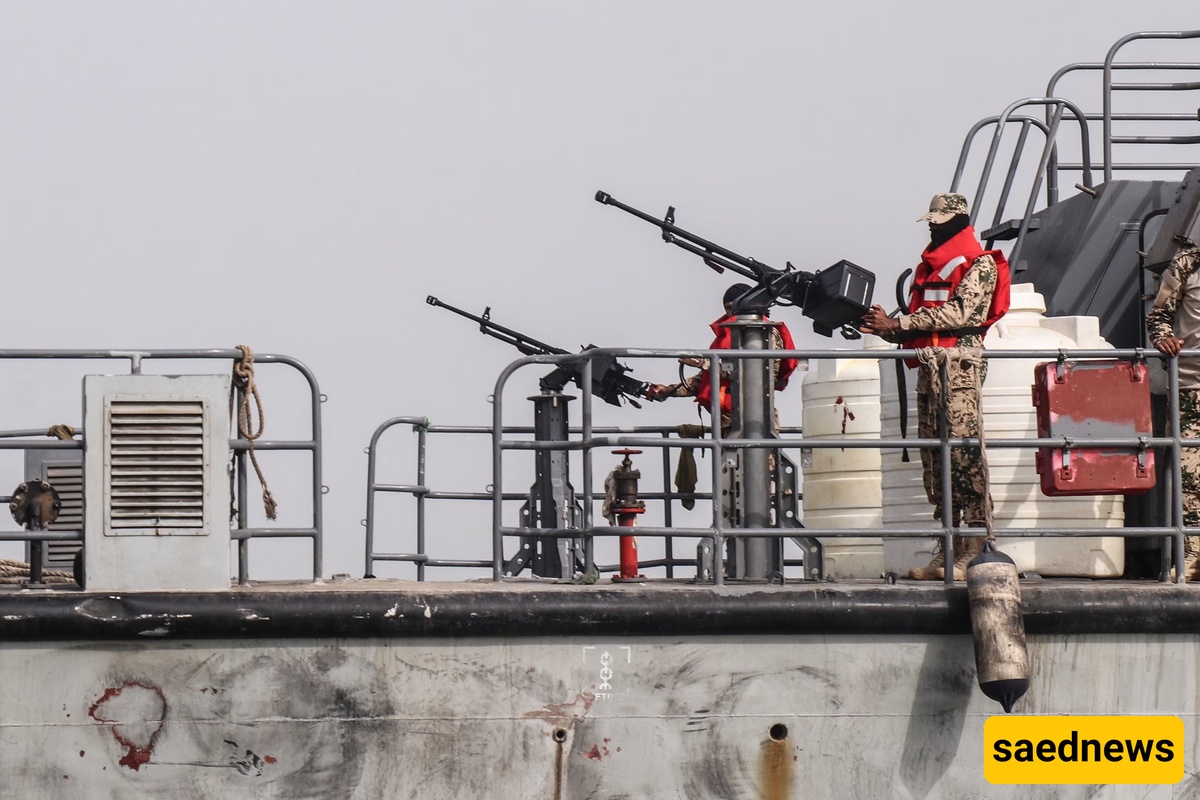
According to SaedNews: The latest assessment from The Wall Street Journal paints a troubling picture of the challenges facing the U.S. military after a sustained wave of Iranian missile and drone attacks across the Middle East.
The American newspaper has argued that the conflict exposed vulnerabilities in the way U.S. forces protect their overseas bases, critical infrastructure and personnel. One of the most striking elements in its analysis is the reported geographic reach of the damage: according to the newspaper, Iranian attacks affected at least 20 locations used by the U.S. military across eight countries.
The assessment focuses not simply on the number of attacks but on what those strikes may reveal about the ability of American forces to defend military facilities far from the United States.
The Wall Street Journal specifically pointed to attacks on U.S. military bases in the Middle East, including recent incidents in Jordan, as evidence of what it described as a growing threat from hostile missiles and drones.
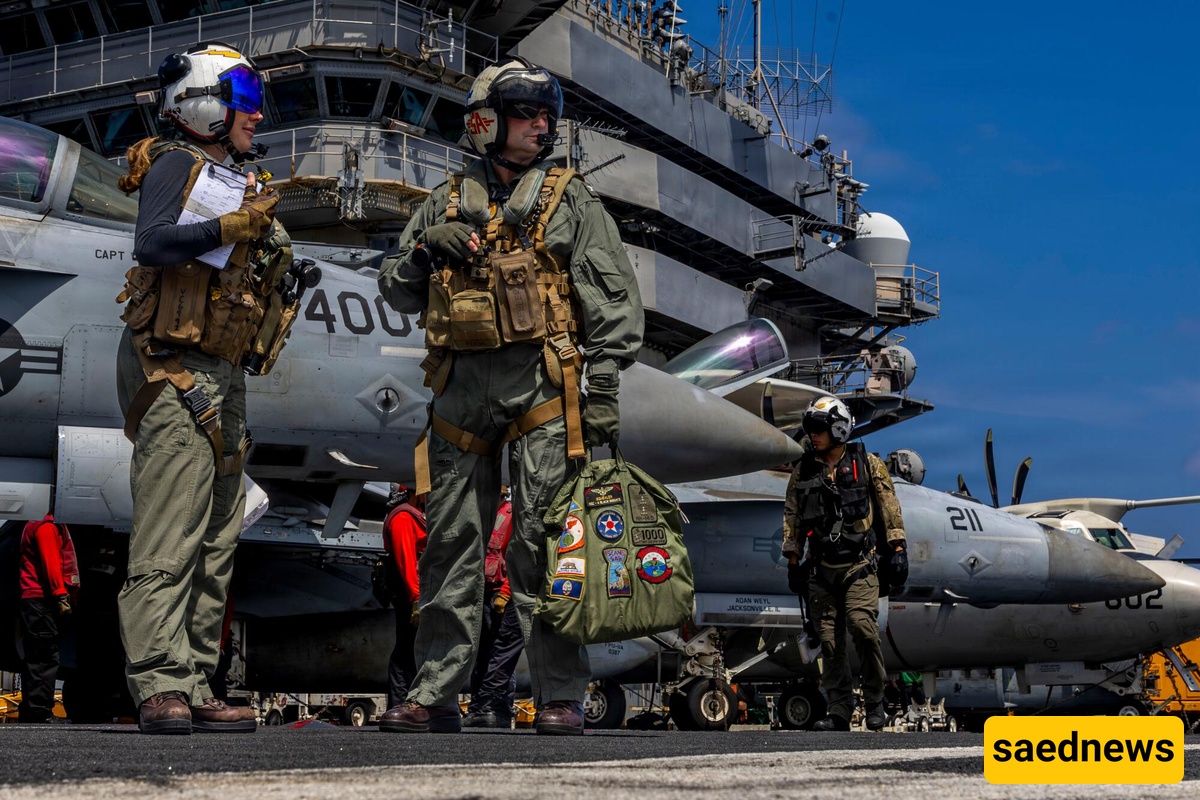
That warning goes beyond the damage caused by individual strikes. The newspaper's analysis suggests that the broader issue is the difficulty of protecting a large network of American military sites spread across the region, where bases, personnel and strategically important infrastructure can remain exposed to long-range missile and unmanned aerial attacks.
According to the report, Iran has carried out more than 2,000 air, missile and drone attacks across the Middle East since the beginning of what is described as “Operation Epic Fury.” The newspaper further claims that at least 20 locations used by the U.S. military in eight countries have sustained damage.
The figures presented in the analysis offer a sense of the scale of the campaign as described by the newspaper. They also help explain why the question of military readiness has become a central part of the discussion surrounding the conflict.
Another figure highlighted by The Wall Street Journal is the estimated financial cost. The newspaper claims Iran has inflicted losses of up to $13 billion on the United States so far, counting damage to equipment and facilities alone.
That figure is presented as an estimate in the newspaper's analysis and should therefore be understood within that context rather than as an independently established total.
The reported impact on U.S. aircraft is also significant. According to the Wall Street Journal, more than 42 U.S. military aircraft have either been destroyed or damaged by the attacks.
Taken together, the newspaper's claims point to a conflict in which the challenge is not limited to intercepting incoming weapons. The larger question is whether overseas U.S. military infrastructure can remain adequately protected when facing repeated missile and drone attacks across a wide geographic area.
The issue is particularly important because American forces rely on a network of overseas facilities to support military operations, personnel and equipment. Any sustained pressure on those locations can create questions about protection, resilience and the ability to maintain operations under attack.
The Wall Street Journal's analysis therefore frames the conflict as a test of U.S. defensive preparedness. Its concern centers on whether existing defenses are sufficient to protect bases and critical infrastructure from what it characterizes as an increasingly serious missile and drone threat.
The report's claims, however, do not by themselves establish the full military consequences of the attacks. Damage to a facility or aircraft does not necessarily indicate that a base has become unusable or that military operations have been halted. Likewise, the figures cited by the newspaper would require further independent verification to establish their precise scope.
Even with those limitations, the numbers highlighted in the analysis are likely to fuel debate over the cost and effectiveness of defending American forces stationed abroad.
For the United States, the challenge described by the newspaper is particularly complex: its military presence extends across multiple countries, while modern missiles and drones can threaten fixed positions from considerable distances. The ability to defend those sites is therefore becoming an increasingly important part of the broader military equation.
For Iran, the reported strikes represent a campaign that, according to the Wall Street Journal's account, has reached numerous locations connected to U.S. forces. For American planners, meanwhile, the attacks raise difficult questions about whether existing defensive systems, infrastructure and force-protection measures are adequate for the threat.
Ultimately, the most consequential part of the Wall Street Journal's analysis may not be any single number. It is the argument that repeated attacks have exposed vulnerabilities that could become increasingly important in any prolonged confrontation.
The figures cited by the newspaper — more than 2,000 reported attacks, at least 20 affected U.S.-used locations in eight countries, claimed losses of up to $13 billion, and more than 42 military aircraft reportedly damaged or destroyed — provide a striking picture of the scale of the conflict as presented in the report.
Whether those figures withstand further independent verification will remain important. But the questions raised by the analysis are unlikely to disappear: How well can overseas U.S. bases withstand sustained missile and drone attacks, and what changes would be required to make them more resilient?
Those questions could shape the wider debate over the future of American military deployments in the Middle East and the growing challenge posed by long-range missiles and drones.