SAEDNEWS: Papara herbal distillate, also known as chicory, is recognized for its remarkable properties and is considered a natural approach to supporting liver health and improving digestive function.

According to Saednews, In today’s fast-paced world, many people are looking for natural ways to support their health. Medicinal plants and herbal extracts have long held an important place in traditional medicine. One plant that has attracted considerable attention in recent years is chicory (Cichorium intybus), also known in some regions as Papara. Chicory distillate, made from this plant, is traditionally used for its potential health benefits, particularly in relation to liver and digestive health.
Papara, scientifically known as Cichorium intybus, is a perennial herb belonging to the Asteraceae family. It is native to Europe, Asia, and Africa and is now cultivated in many parts of the world.
Its leaves can be eaten raw in salads, while its roots are used as a coffee substitute or in the preparation of herbal extracts. The plant’s attractive blue flowers are valued not only for their ornamental appearance but also for their traditional medicinal uses.
Papara distillate is produced by distilling the aerial parts of the plant, including its leaves and stems. Chicory contains a range of biologically active compounds, including inulin, a type of prebiotic fiber, sesquiterpene lactones, flavonoids such as quercetin and kaempferol, caffeic acid, and chlorogenic acid. These compounds are believed to contribute to the plant’s various biological properties.

One of the most widely recognized traditional uses of chicory is for supporting liver health. The liver plays a central role in metabolism, detoxification, and bile production. Compounds found in chicory, particularly sesquiterpene lactones and flavonoids, may support liver function in several ways.
Supporting bile production: Chicory is traditionally believed to stimulate bile production and secretion. Bile plays an important role in the digestion and absorption of fats.
Antioxidant activity: Flavonoids and phenolic acids found in chicory have antioxidant properties that may help neutralize free radicals and protect cells from oxidative stress.
Potential anti-inflammatory effects: Some studies have suggested that chicory extracts may influence inflammatory processes and liver enzyme levels. However, more human research is needed to determine the clinical significance of these effects.
Fatty liver: Preliminary research suggests that chicory compounds may influence lipid metabolism and could potentially have a supportive role in people with non-alcoholic fatty liver disease (NAFLD). Chicory should not, however, be considered a replacement for medical treatment.
Chicory is also traditionally used to support digestion. Its inulin content acts as a prebiotic, providing nourishment for beneficial bacteria in the gut and potentially supporting a healthier gut microbiome.
Other potential digestive benefits include:
Relieving constipation: Inulin can increase stool volume and may help promote regular bowel movements.
Reducing bloating and indigestion: By supporting normal digestive processes, chicory may help some people with digestive discomfort. However, inulin can also cause gas and bloating, particularly when consumed in large amounts.
Supporting intestinal health: The plant’s bioactive compounds have demonstrated anti-inflammatory properties in laboratory and preliminary studies, although evidence for treating inflammatory bowel diseases such as ulcerative colitis and Crohn’s disease remains insufficient.
Supporting appetite: Traditional use suggests that small amounts of chicory preparations before meals may help stimulate appetite in some people.
Another area of interest is chicory’s potential effect on blood sugar regulation. Compounds such as inulin and chlorogenic acid may influence glucose absorption and insulin sensitivity.
These properties have led to interest in chicory as a potential dietary component for people concerned about blood sugar control or type 2 diabetes. However, evidence varies depending on the type and amount of chicory preparation used, and chicory products should not replace prescribed diabetes treatment.
Chronic inflammation is associated with a wide range of health conditions. Chicory contains compounds such as sesquiterpene lactones and flavonoids that have demonstrated anti-inflammatory and antioxidant activity in experimental studies.
These compounds may influence inflammatory pathways and oxidative stress. Nevertheless, more clinical research is required to determine how these effects translate into meaningful health benefits in humans.
Chicory may indirectly support cardiovascular health through several mechanisms. Maintaining healthy blood sugar levels, supporting a balanced lipid profile, and reducing oxidative stress are all important factors in cardiovascular health.
Inulin may also influence cholesterol metabolism. Some preliminary research has explored the potential effects of chicory extracts on blood pressure and cholesterol, but further human studies are needed before firm conclusions can be drawn.
Chicory may also have a role in a balanced approach to weight management. Inulin is a type of dietary fiber that can contribute to feelings of fullness and may help support appetite regulation.
However, chicory distillate alone should not be considered a weight-loss treatment. Sustainable weight management generally depends on overall diet, physical activity, sleep, and other lifestyle factors.
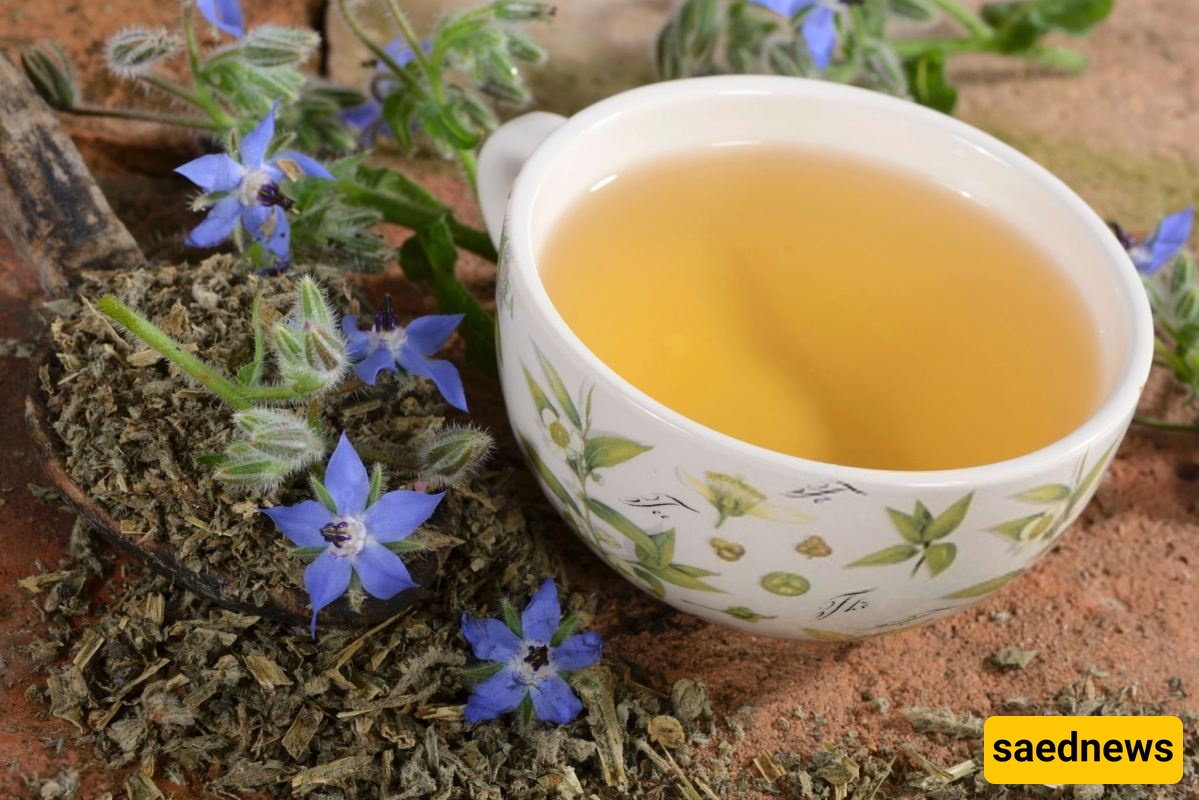
Traditional recommendations for chicory distillate often suggest consuming it on an empty stomach or approximately 30 minutes before meals.
A commonly cited traditional serving for adults is:
Amount: 2–3 small glasses per day, with each glass containing approximately 50 ml.
Method: It may be consumed plain or diluted with a small amount of lukewarm water. Some people add honey to improve the taste.
Duration: Traditional practices may recommend using it for 2–4 weeks, followed by a short break before another course if needed.
Important: If you are considering chicory distillate for a specific condition such as fatty liver disease or diabetes, consult a physician or qualified healthcare professional before using it regularly. The appropriate amount can vary depending on the individual and the specific product.
Chicory is generally well tolerated as a food, but concentrated preparations or excessive consumption may cause side effects.
Bloating and gas: Because inulin is fermented by gut bacteria, consuming large amounts may initially cause bloating, gas, or abdominal discomfort. Starting with a small amount may help improve tolerance.
Gallstones: Because chicory may stimulate bile flow, people with gallstones or bile-duct problems should use concentrated chicory preparations cautiously and seek medical advice first.
Pregnancy and breastfeeding: There is limited information regarding the safety of concentrated chicory preparations during pregnancy and breastfeeding. It is therefore advisable to consult a healthcare professional before use.
Drug interactions: Chicory preparations may potentially interact with certain medications. People taking diabetes medications, blood thinners such as warfarin, or other prescription medicines should consult their doctor before using concentrated chicory products regularly.
Allergies: People who are allergic to plants in the Asteraceae family may also experience an allergic reaction to chicory.
Many people use the terms Papara and chicory interchangeably. Both refer to plants within the chicory group and may have similar traditional uses, but regional terminology can vary.
Chicory (Cichorium intybus): This species is widely used for its leaves and roots. Its roots are particularly well known as an ingredient in chicory coffee and other food products.
Papara: In some regions, the term Papara refers to a wild or particular form of chicory. In Iranian traditional medicine, Papara distillate and chicory distillate are sometimes used interchangeably and are traditionally associated with similar benefits, particularly for digestive and liver health.
Because common names can vary from one region to another, checking the scientific name and the plant part used is the best way to identify a specific chicory product.
Chicory (Cichorium intybus) has a long history of use as both a food and a traditional herbal remedy. Its naturally occurring compounds, including inulin, flavonoids, and phenolic acids, have attracted scientific interest for their potential effects on digestive health, metabolism, oxidative stress, and inflammation.
Although early research is promising in some areas, many of the claimed health benefits of chicory distillate require further clinical investigation. It is best viewed as a potential complement to a healthy lifestyle rather than a substitute for medical diagnosis or treatment.