SAEDNEWS: In this guide, we review some of the best sports-focused smartwatches on the market, helping you make a smart choice that matches your specific fitness and training needs.
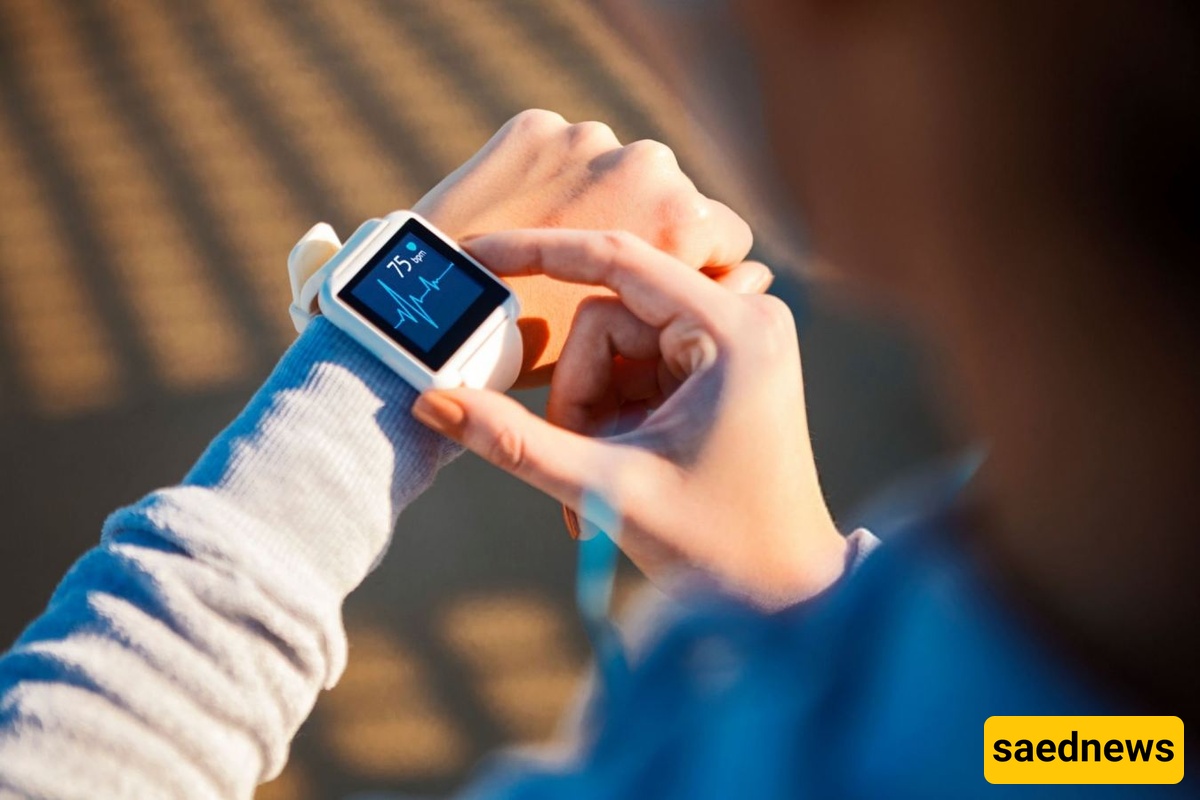
According to Saednews, In today’s fast-paced world, smartwatches are no longer limited to displaying notifications or answering calls. They have become valuable training companions for athletes, from amateur runners to professional competitors.
Choosing the right smartwatch for sports can make the difference between an ordinary workout and a highly efficient training session. Modern devices can track heart rate, distance, pace, sleep quality, blood oxygen levels, and many other metrics, giving users a comprehensive view of their physical performance.
However, with so many products available, finding a smartwatch that genuinely matches your training needs, lifestyle, and budget can be challenging.
In this guide, we explore the most important features to consider when choosing a sports smartwatch, compare some of the leading options, and explain how to select a model based on your preferred activities.
Whether you need a watch for swimming, a reliable GPS device for hiking, or a lightweight companion for the gym, the following sections will help you make a more informed decision.
Before looking at specific models, it is worth understanding why a sports smartwatch can play such an important role in a training routine. In the past, athletes often relied on simple stopwatches and basic measurements. Today, training data has become an important part of improving performance.
A capable sports smartwatch can help you:
Monitor your heart rate during workouts and at rest to better understand exercise intensity.
Track routes, distance, and pace using built-in GPS.
Monitor sleep and recovery to reduce the risk of overtraining.
Receive notifications and important calls without constantly carrying or checking your phone.
Review your training history and identify strengths, weaknesses, and long-term progress.
Having access to this information can help you set realistic goals, adjust your workouts, and objectively measure your progress over time.
Choosing a smartwatch should involve more than simply selecting the cheapest model or the one with the most features. Several technical factors can have a significant impact on your experience.
The accuracy of a sports watch depends heavily on the quality of its sensors.
GPS should be able to acquire a signal quickly and accurately record your route, while the optical heart-rate sensor should provide reliable measurements during both moderate and high-intensity activities.
Technologies such as Garmin’s Elevate sensor platform and newer-generation Apple Watch sensors are examples of systems designed to improve health and fitness tracking.
Battery life becomes particularly important for endurance athletes and people who spend several hours outdoors.
A practical sports watch should ideally last several days under normal use and provide many hours of continuous GPS tracking. Some Garmin models are particularly well known for long battery life, while Apple Watch models generally require more frequent charging.
Water resistance is essential for swimmers and people who train outdoors in challenging weather conditions.
Look for an appropriate ATM or IP rating depending on how you plan to use the watch. Some models can be used for swimming and can record metrics such as swimming distance, stroke type, and pace.
A good sports smartwatch should support a wide range of activities, including running, cycling, swimming, strength training, yoga, skiing, and team sports.
A broader selection of activity profiles allows the watch to use its sensors and algorithms more effectively for different types of movement.
Hardware is only part of the equation. The accompanying software is equally important.
Platforms such as Garmin Connect, Apple Health, and Samsung Health can organize training data and present it in an understandable format. Advanced features such as Garmin’s Body Battery, training load, recovery information, and VO2 Max estimates can also help users understand how their body is responding to exercise.
Different brands focus on different aspects of fitness and everyday use. Here are several well-known options worth considering.
For people already using an iPhone, the Apple Watch offers deep integration with the Apple ecosystem.
The Apple Watch Series 9 includes a range of health and fitness sensors and provides detailed workout and health tracking through Apple’s software.
For athletes who want a more rugged design, the Apple Watch Ultra 2 offers a larger and more durable construction, advanced GPS capabilities, additional controls, and longer battery life than standard Apple Watch models.
Strengths: Strong health and fitness tracking, extensive software integration, bright displays, and a broad selection of workout features.
Limitations: Battery life is generally shorter than that of many dedicated sports watches, and the Apple Watch is closely tied to the iPhone ecosystem.
Garmin has built a strong reputation in the sports and outdoor-watch market.
The Venu series focuses on general fitness and everyday health tracking, the Forerunner range is particularly suited to runners, and the Fenix family targets hiking, endurance sports, and outdoor activities.
Garmin watches are known for detailed training metrics, numerous activity profiles, GPS functionality, and long battery life.
The Garmin Connect platform also provides extensive training analysis, including metrics such as VO2 Max, recovery time, and training status.
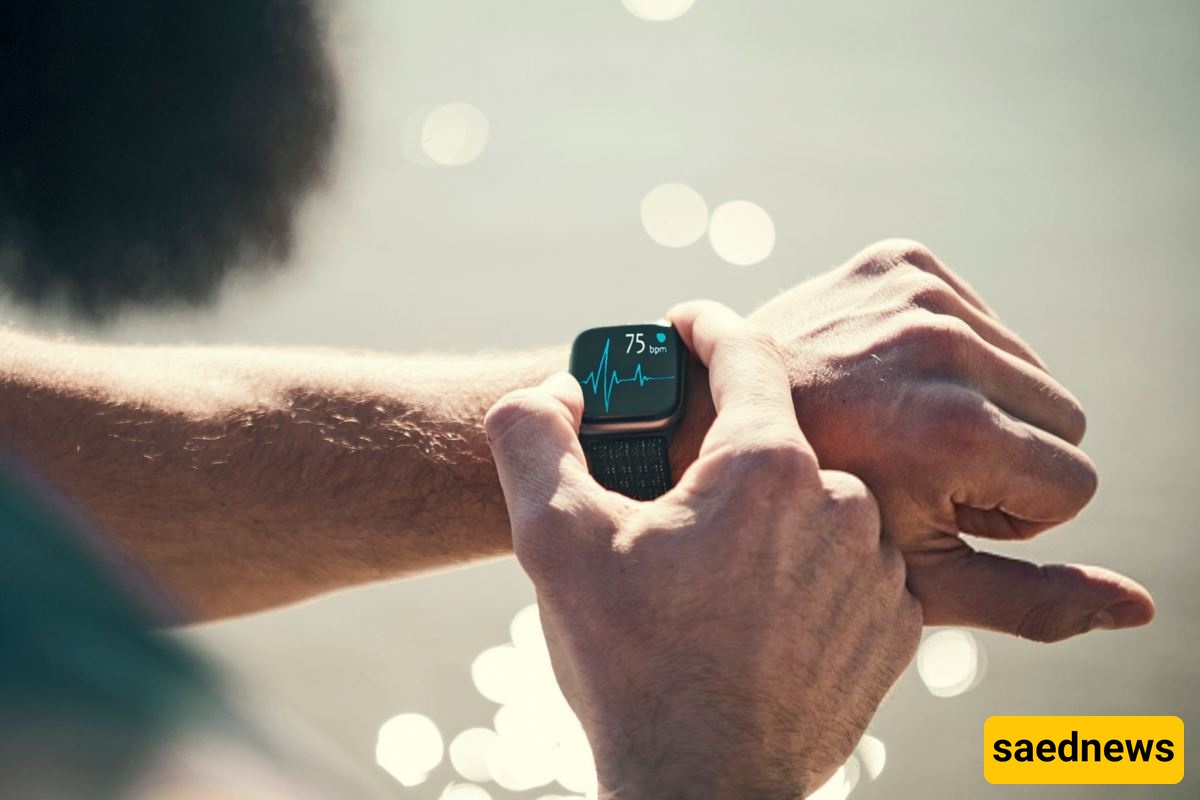
For Android users looking for a smartwatch that combines everyday smart features with fitness tracking, the Galaxy Watch 6 series is an interesting option.
The watches use Wear OS and support a wide range of applications. The Galaxy Watch 6 Classic also features a physical rotating bezel that makes navigating menus easier.
Samsung's watches offer health and fitness tracking alongside a more traditional smartwatch design. However, compared with dedicated sports watches, battery life and the range of advanced training features may be less extensive.
Huawei’s Watch GT range has become known for combining long battery life with fitness and health tracking.
Models such as the Huawei Watch GT 4 feature AMOLED displays, GPS-based activity tracking, and a range of health-monitoring functions.
Huawei’s Health platform presents workout and health information in a relatively accessible format. Depending on the model and region, satellite positioning support can also help improve outdoor route tracking.
For users who prioritize battery life and everyday fitness features, the Watch GT range can be worth considering.
For users with a more limited budget, the Xiaomi Smart Band 8 Pro offers many basic fitness-tracking functions in a lightweight form factor.
It includes features such as built-in GPS, heart-rate monitoring, sleep tracking, and water resistance.
Its lower weight and relatively affordable positioning make it suitable for beginners and casual fitness users. However, sensor accuracy and advanced training capabilities may not match those of higher-end dedicated sports watches.
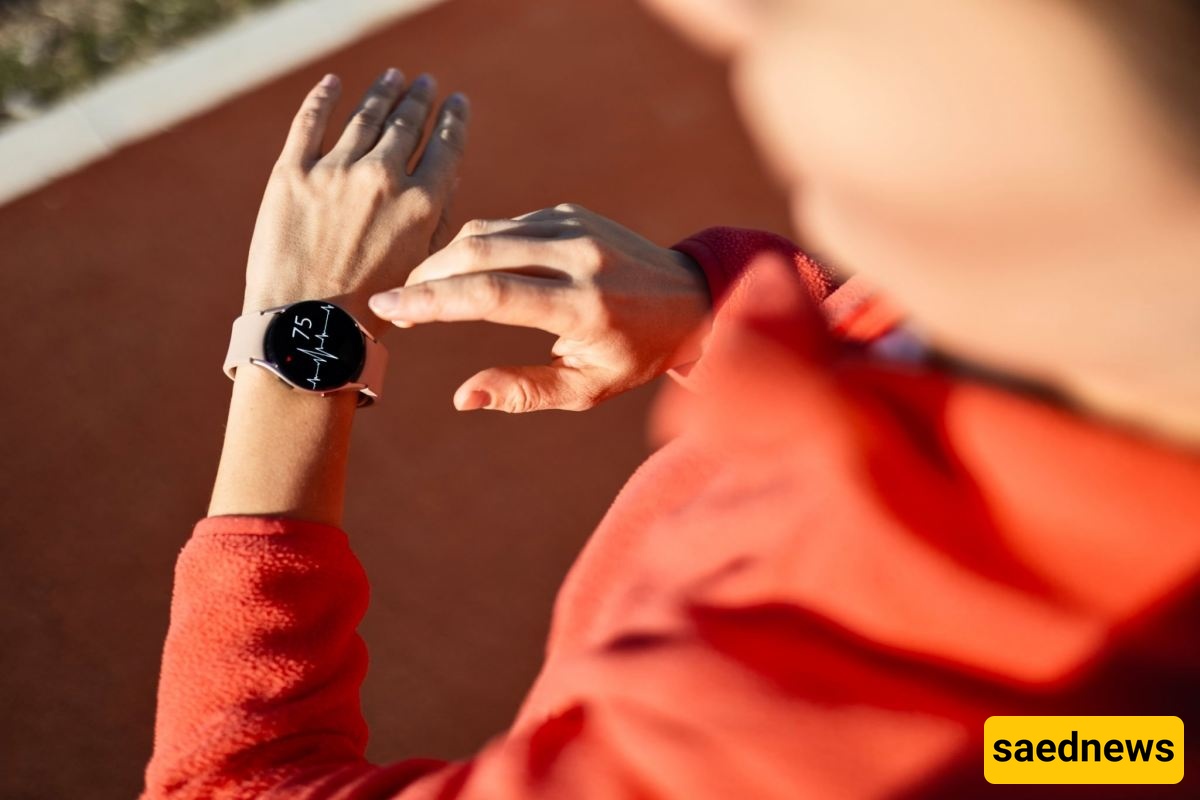
Your preferred activity should be one of the most important factors in your decision.
Runners generally benefit from accurate GPS, reliable heart-rate tracking, training analysis, and long battery life.
Models such as the Garmin Forerunner series are designed specifically around running, while the Apple Watch Ultra can also be suitable for runners who are already part of the Apple ecosystem.
For gym users, heart-rate monitoring, workout tracking, and a clear display may be more important than advanced outdoor navigation.
The Apple Watch and Samsung Galaxy Watch families can provide useful workout-tracking features for strength and indoor training.
Swimmers should look for appropriate water resistance and dedicated swimming profiles.
Useful features include lap tracking, stroke recognition, swimming distance, pace, and other pool or open-water metrics.
For hiking, mountaineering, and other outdoor activities, GPS accuracy, battery life, elevation data, navigation, and durability become particularly important.
Dedicated outdoor watches such as Garmin Fenix models and Suunto’s outdoor watches are designed around these requirements.

If your main goals are tracking daily steps, calories, sleep, heart rate, and general activity, you may not need an expensive sports watch.
A fitness band or mid-range smartwatch can provide the necessary features while remaining lightweight and relatively affordable.
Price category | Example options | Best suited for |
|---|---|---|
Budget | Xiaomi Smart Band 8 Pro | Beginners and casual fitness |
Mid-range | Garmin Venu series / Samsung Galaxy Watch | General fitness and multiple activities |
Premium | Garmin Fenix series / Apple Watch Ultra | Serious athletes and outdoor activities |
The most expensive smartwatch is not automatically the best choice. The right model depends on your sport, training frequency, required features, smartphone ecosystem, and budget.
Buying the watch is only the beginning. To get more useful results from it:
Complete your profile accurately, including your age, height, and weight, to improve certain health and fitness estimates.
Wear the watch correctly so the optical sensors can obtain a consistent reading.
Explore the training features available through the watch and its companion application.
Pay attention to recovery information instead of focusing only on workout performance.
Review your training history regularly to identify trends rather than judging progress from a single workout.
Keep the watch and its software updated so that you can benefit from improvements and new features.
Choosing a smartwatch for sports is ultimately a personal decision. The best option is not necessarily the most expensive model or the one with the longest list of features.
Before buying, consider how you actually train and which functions you are likely to use regularly. A runner may prioritize GPS and battery life, while a swimmer may care more about water resistance and swim tracking. For someone focused on general fitness, sleep, and daily activity, a simpler device may be more practical.
Your smartphone ecosystem should also be considered. Apple Watch is designed primarily around the iPhone, while many Garmin, Samsung, Huawei, and other watches offer broader compatibility depending on the model.
Software support is another important factor. A smartwatch can remain useful for years when its manufacturer continues to provide software updates and improvements.
Finally, consider purchasing from a reliable retailer and checking warranty coverage, particularly if you plan to use the watch for demanding outdoor activities.
The best sports smartwatch is ultimately the one that provides the data you actually need, fits comfortably into your daily routine, and supports your training goals over the long term.
Yes. For strength training and general gym workouts, an Apple Watch or Galaxy Watch can provide useful heart-rate and workout-tracking features. For long-distance running, hiking, or other endurance activities, however, battery life, GPS performance, and durability may become more important.
Garmin’s higher-end sports watches are designed around specialized training and outdoor use. Their pricing can reflect features such as advanced training metrics, long battery life, detailed navigation, extensive activity profiles, and rugged construction.
Not completely. Smartwatches can provide useful training data, workout suggestions, and performance analysis, but they cannot fully replace the experience and judgment of a qualified human coach.
Look for a model with dedicated swim tracking and suitable water resistance. Useful features include lap counting, stroke recognition, distance, pace, and other swimming metrics. Garmin, Apple, Samsung, and other major brands offer models with varying levels of swimming support.