SAEDNEWS: As summer temperatures rise, a sports medicine specialist is urging people to rethink when, where and how intensely they exercise. From hydration and workout intensity to clothing and heat exposure, small changes may help reduce the risks associated with exercising in hot weather.
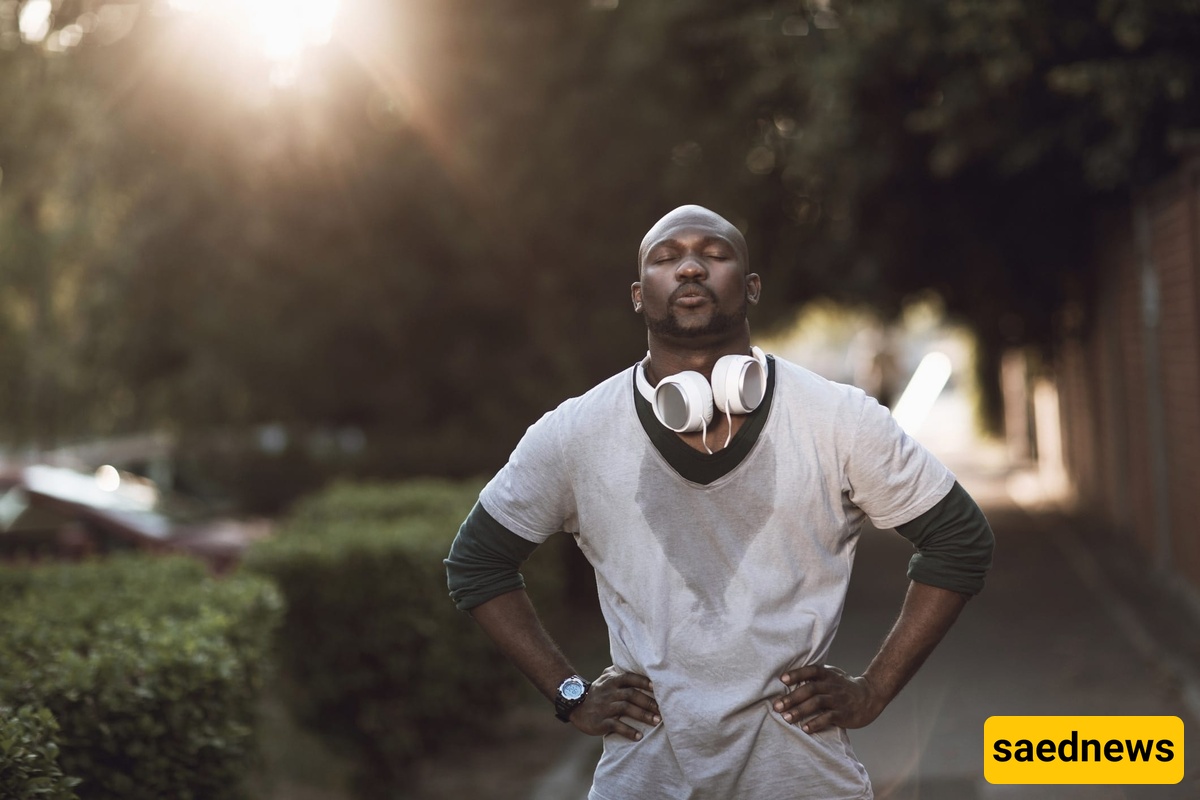
According to SaedNews: When temperatures climb, the instinct for many people is to keep their usual exercise routine unchanged. But a sports medicine specialist says that approach can be exactly the wrong one.
Dr. Seif has warned that exercising safely during hot summer days requires a shift away from the idea of simply pushing harder and toward what he describes as “smart flexibility.” In practical terms, that means allowing the weather—and the body’s response to it—to determine when, where and how intensely a workout should take place.
The warning comes as heat places additional demands on the body. During exercise in hot conditions, the body works harder to regulate its temperature. Blood flow is directed toward the skin to help release heat, while less blood is available to support working muscles. The result can be earlier fatigue and a reduced ability to maintain the same exercise intensity.
That is why a workout that feels manageable on a mild day may suddenly feel much harder under the summer sun.
One of the simplest changes is also one of the most important: change the time of exercise.
Dr. Seif advises avoiding the hottest part of the day, particularly between 11 a.m. and 3 p.m. Instead, outdoor activities should preferably be moved to the early morning or after sunset.
Choosing a shaded route can also make a significant difference. The specialist notes that temperatures in shaded areas can be as much as 15 to 20 degrees cooler than exposed locations.
For people who insist on exercising outdoors, he highlights three basic rules: choose cooler hours, select a route with plenty of shade, and keep the workout intensity very low.
That could mean brisk walking instead of running or doing yoga in a shaded park rather than completing a demanding outdoor workout.
Hydration is another major concern.
According to Dr. Seif, many people make the mistake of drinking only after they become thirsty. In hot weather, however, thirst should not be treated as the first signal to start replacing fluids. He describes it as a late warning sign of dehydration.
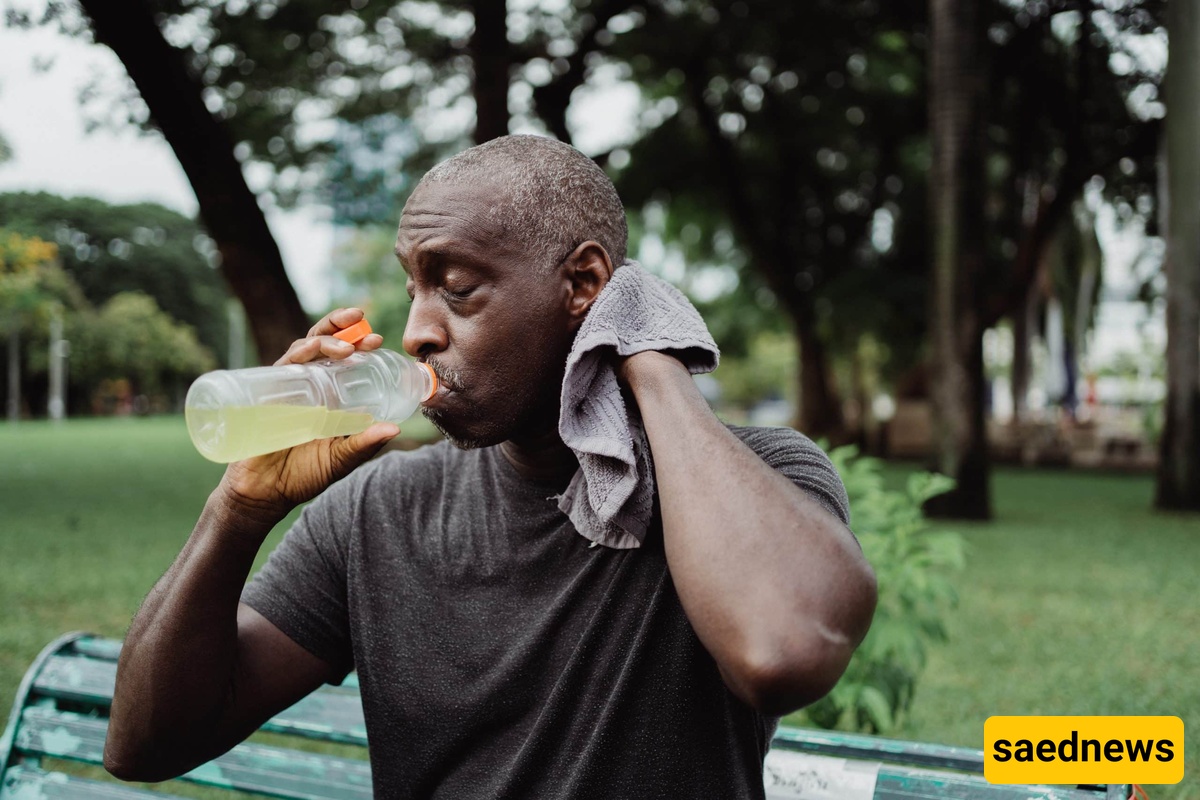
He recommends beginning hydration before exercise rather than waiting for thirst. Drinking enough water from the previous evening and starting to drink at least an hour before exercise can help prepare the body for the heat.
During exercise, he recommends taking several sips of water or a sports drink every 10 to 20 minutes.
For short workouts, water is generally the preferred option. For longer sessions lasting more than an hour, drinks containing electrolytes—the minerals lost through sweating—can help replace those losses, according to the specialist.
He also advises avoiding caffeinated and sugary drinks during hot-weather exercise.
Perhaps the most important message is that people should not expect their bodies to perform exactly as they do under cooler conditions.
Instead of completing one long, demanding session, Dr. Seif suggests shortening workouts, lowering their intensity and dividing them into shorter periods with more frequent rest in shaded areas.
Heat adaptation also takes time.
He says the human body has a remarkable ability to adjust to warmer conditions, but people should not rush the process. He recommends allowing roughly 10 to 14 days for adaptation, beginning with shorter and lighter workouts before gradually increasing duration and intensity.
What someone wears can also affect how effectively the body manages heat. Loose, cool and light-colored clothing is recommended because it can reduce heat absorption from sunlight.
Moving exercise indoors may be another solution—but only if the environment is suitable.
A well-ventilated facility with effective air conditioning can generally provide a safer setting during extreme heat. But a crowded, poorly ventilated and stagnant gym can create its own problems.
Dr. Seif cautions that an indoor space without adequate cooling or airflow may actually be more dangerous than exercising outdoors. Such an environment can feel suffocating and contribute to rapid fatigue.
The key, therefore, is not simply to exercise indoors. It is to choose an environment where the body can effectively release heat and where airflow is adequate.
The specialist also warns that the consequences of ignoring heat and hydration can extend beyond a single uncomfortable workout.
Short-term complications he identifies include severe heat illness, heat exhaustion, intense muscle cramps, minor muscle injuries and sudden drops in blood sugar. He also points to potential longer-term effects involving the kidneys, heart and brain.
Perhaps more strikingly, he describes dehydration as a “hidden enemy” that can gradually affect everyday life.
According to his explanation, insufficient hydration may be associated with irritability, reduced patience, anxiety, low mood, declining motivation and difficulty maintaining concentration and energy.
That means dehydration may not always announce itself with dramatic physical symptoms. Sometimes, the first signs may simply be that a person feels more tired, impatient or mentally slower than usual.
Dr. Seif identifies several groups that should pay particular attention to heat and hydration advice, including children under five, older adults, pregnant women and breastfeeding women.
For these groups, adapting activity to the weather is particularly important.
He also stresses that the danger should not be viewed only as a sudden event such as severe heatstroke. In his assessment, repeated dehydration and the physiological strain associated with heat may have cumulative consequences.
He characterizes this process as a gradual depletion of the body's physiological reserves, rather than something that necessarily happens all at once.
The specialist specifically raises concerns about long-term effects on vital organs and says chronic dehydration and hidden inflammation can gradually place additional stress on systems such as the kidneys. He further links this process, in his explanation, to vascular and neurological concerns over time.
Some of the specialist’s longer-term claims are presented as potential consequences rather than immediate outcomes, and they should not be interpreted as meaning that every episode of dehydration causes permanent organ damage.
The broader message, however, is straightforward: summer exercise should not be a test of endurance against the weather.
The goal is to adapt.
For some people, that may mean moving a run to early morning. For others, it may mean replacing running with walking, taking longer breaks, choosing a shaded route or moving a workout into a properly air-conditioned and ventilated space.
The body can adapt to heat, but it needs time, fluids and sensible training conditions. As temperatures rise, listening to the body may be far more valuable than sticking rigidly to yesterday’s workout plan.