SAEDNEWS: Regular exercise helps control body weight, strengthen muscles, and maintain joint flexibility. By reducing the stress placed on the knees and hips, it can play an important role in preventing osteoarthritis.
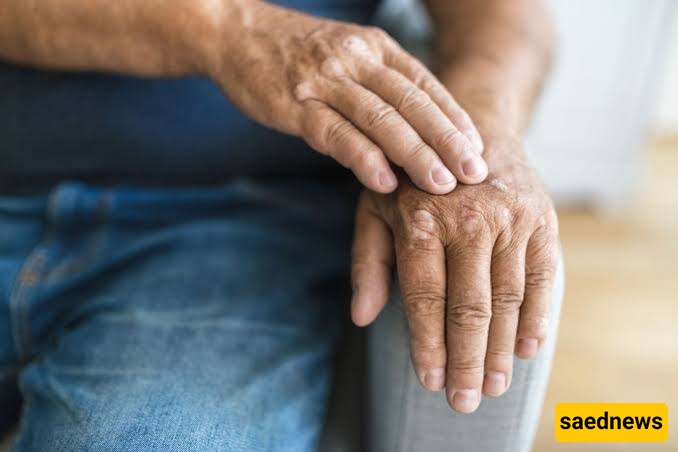
According to Saednews, Osteoarthritis is one of the most common joint conditions and can cause pain, stiffness, limited movement, and a reduced quality of life. Age, excess weight, joint injuries, muscle weakness, and repetitive movements are among the most important factors that can increase the risk of developing the condition. Although it is not possible to completely prevent every case of osteoarthritis, lifestyle changes—particularly regular physical activity—can reduce many controllable risk factors.
Exercise may help protect against osteoarthritis by strengthening the muscles surrounding the joints, improving balance, maintaining range of motion, and reducing the risk of falls or sports-related injuries. However, exercise should be selected according to a person's age, physical condition, injury history, and abilities. Excessive, improper, or sudden exercise can have the opposite effect and increase the risk of injury.

According to information from the World Health Organization, obesity, joint injuries, repetitive physical stress related to sports or work, and certain underlying health conditions are among the risk factors associated with osteoarthritis. Therefore, a program that helps maintain a healthy weight, strengthens muscles, and reduces the likelihood of injury can be an important part of a joint-protection strategy.
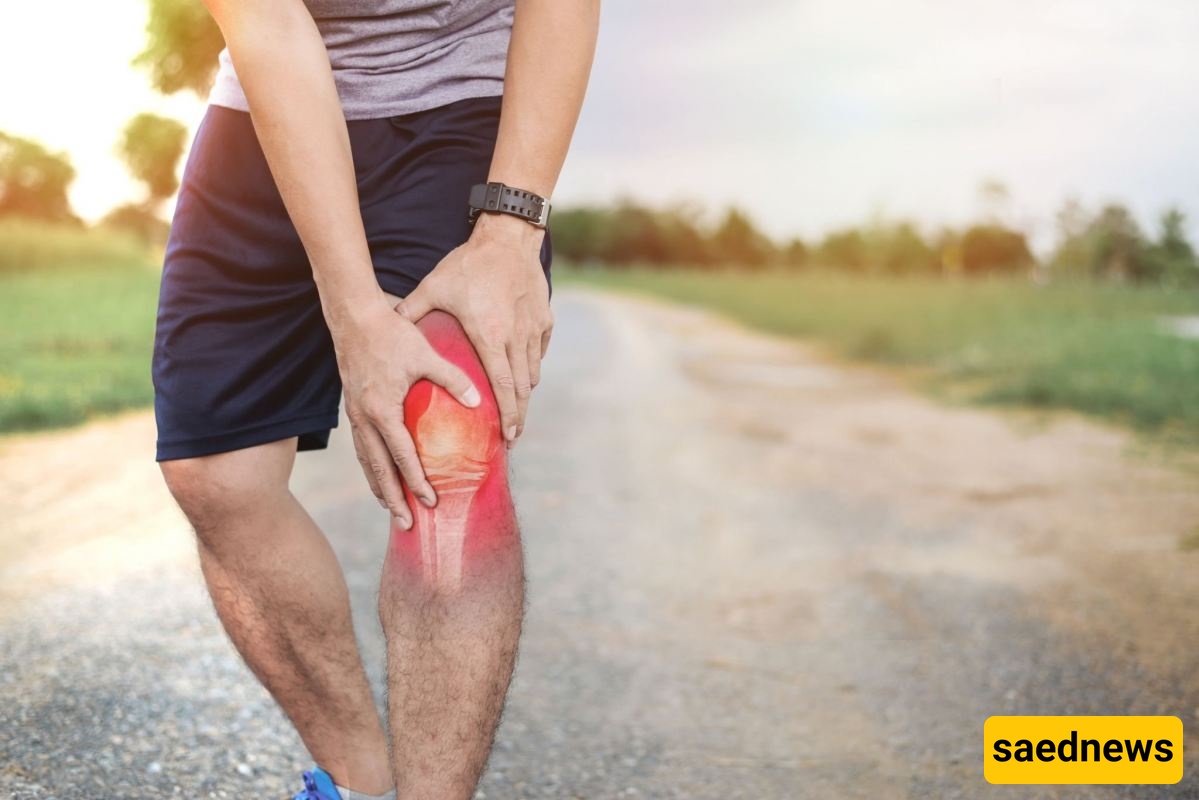
Osteoarthritis is a chronic condition that can affect all structures within a joint, including cartilage, the bone beneath the cartilage, ligaments, and surrounding tissues. Over time, these tissues undergo structural changes and degeneration, and joint movement may become associated with pain, grinding or cracking sounds, and stiffness.
The knees, hips, hands, neck, and lower back are among the areas most commonly affected by osteoarthritis. Although the likelihood of developing the condition increases with age, osteoarthritis should not be considered simply an unavoidable consequence of getting older.
Body weight, muscle strength, previous injuries, occupation, joint alignment, and daily activity levels can also influence its development. The U.S. National Institute of Arthritis and Musculoskeletal and Skin Diseases describes osteoarthritis as a degenerative joint disease in which the tissues within a joint gradually change.
Exercise cannot guarantee that everyone will avoid osteoarthritis. Factors such as genetics, age, sex, joint structure, and underlying medical conditions can also influence the risk.
However, regular physical activity can help control several important modifiable risk factors.
In simple terms, appropriate exercise may help lower the risk of osteoarthritis by:
Controlling body weight and reducing excessive pressure on the knees and hips
Strengthening the muscles that support the joints
Improving balance and reducing the risk of falls
Preventing muscle weakness and loss of muscle mass
Improving movement patterns and distributing forces more effectively
Reducing the likelihood of certain sports-related injuries
Maintaining joint flexibility and range of motion
For this reason, exercise is best viewed not as a guaranteed prevention method, but as one of the most effective components of a joint-protective lifestyle.
Excess weight is one of the most important risk factors for osteoarthritis of the knees and hips. Increased body weight not only places greater mechanical stress on weight-bearing joints, but may also be associated with metabolic changes and low-grade inflammation throughout the body.
Alongside a balanced diet, aerobic exercise can help maintain a healthy weight and prevent gradual weight gain. Walking, swimming, cycling, and water-based exercise can increase energy expenditure without necessarily placing excessive stress on the joints.
A scientific review examining physical activity and weight management has reported that maintaining a healthy weight is important for both the primary and secondary prevention of osteoarthritis. The review also referenced data suggesting that losing approximately 5 kilograms of body weight in women who are overweight was associated with a substantial reduction in the subsequent risk of knee osteoarthritis.
This finding should not be interpreted as a fixed target that applies to everyone, but it clearly illustrates the importance of maintaining a healthy body weight.
Strong muscles act as a natural support system for the joints. For example, the quadriceps, hamstrings, calf muscles, and gluteal muscles play important roles in controlling knee and hip movement.
Weakness in these muscles may cause forces generated during walking, climbing stairs, or standing up from a chair to be distributed less effectively across the structures of the joint.
Proper resistance training can improve muscle strength and endurance. This does not mean lifting extremely heavy weights. Bodyweight exercises, resistance bands, light dumbbells, and standard resistance machines can all be useful.
Exercises such as glute bridges, lying leg raises, limited-range squats performed with proper form, pain-free knee extensions, and core-strengthening exercises may help provide better joint support when they are appropriate for the individual's condition.
Injuries such as anterior cruciate ligament tears, meniscus injuries, intra-articular fractures, and severe sprains may increase the risk of post-traumatic osteoarthritis. Preventing injuries is therefore an important part of understanding how exercise may contribute to osteoarthritis prevention.
Balance and neuromuscular exercises help the brain and muscles work together more effectively to control joint movement. Examples include standing on one leg, balance-board exercises, controlled multi-joint movements, and tai chi.
Research on neuromuscular training programs suggests that these exercises can reduce the risk of certain sports injuries, particularly injuries involving the lower limbs. However, preventive exercises should be adapted to the individual's sport and performed under the guidance of a knowledgeable professional when necessary.
Long periods of inactivity can contribute to joint stiffness and shortening of the surrounding muscles. Stretching and range-of-motion exercises can help maintain muscle flexibility and promote smoother joint movement.
Stretching movements should be performed slowly and under control, without bouncing. Gentle stretching of the hamstrings, quadriceps, calf muscles, hip flexors, and shoulder muscles can be incorporated into a general exercise routine.
Aggressive stretching or attempting to move beyond the joint's natural range is not recommended. The goal should be a mild stretching sensation rather than sharp pain or excessive pressure.
Some people excessively restrict their physical activity in an attempt to protect their knees or other joints. While this may create a sense of safety in the short term, long-term inactivity can lead to muscle weakness, poorer balance, weight gain, and greater difficulty performing everyday activities.
Appropriate physical activity can help break this cycle. Even for people who already have osteoarthritis, evidence suggests that physical activity can reduce pain and improve physical function and quality of life.
A scientific review also found no clear evidence that activities involving fewer than 10,000 steps per day inevitably accelerate the progression of knee or hip osteoarthritis.
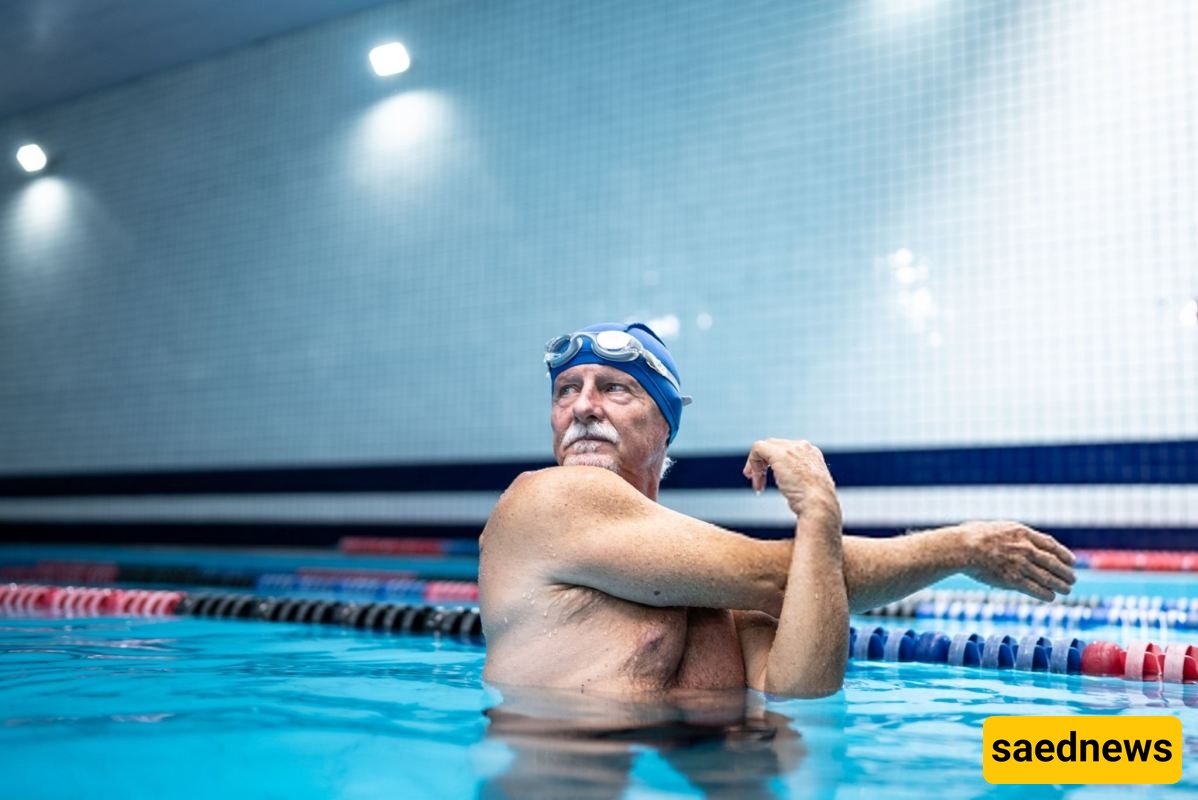
Swimming and water-based exercise are particularly useful for people who experience discomfort during weight-bearing activities. Because water supports part of the body's weight, swimming, water walking, and water aerobics can place less stress on the knees, hips, and spine.
There is no single exercise that is best for everyone. An effective routine will usually combine aerobic activity, strength training, flexibility exercises, and balance work.
Walking is one of the most accessible forms of physical activity. It can help with weight management, strengthen the leg muscles, improve circulation, and increase cardiovascular fitness.
When starting, it is best to choose a relatively flat route, a moderate pace, and appropriate footwear. People who are currently inactive can begin with 10 to 15 minutes of walking and gradually increase the duration.
A sudden increase in walking distance or speed is not recommended, particularly for people who are overweight or have a history of knee pain.
Water supports part of the body's weight, which means swimming, water walking, and water aerobics generally place less impact on the knees, hips, and spine.
These activities may be particularly suitable for older adults, people who are overweight, and individuals who experience discomfort during land-based exercise.
Water-based exercise can improve muscle strength, endurance, and range of motion at the same time. The U.S. Centers for Disease Control and Prevention lists swimming and water-based exercise, along with brisk walking, cycling, and tai chi, among activities that are generally easier on the joints.
Cycling is a low-impact aerobic activity that works the muscles of the thighs and lower legs. A stationary bike can be a particularly convenient option because resistance and other conditions can be adjusted and controlled.
The seat height should be adjusted correctly. A seat that is too low can increase knee flexion and create unnecessary stress. When the pedal is at its lowest position, the knee should remain slightly bent.
Strength training at least twice a week can be beneficial for many adults. However, rest periods, intensity, and the number of repetitions should be adjusted according to individual fitness and experience.
Controlled sitting down and standing up from a chair
Glute bridges on an exercise mat
Side leg raises using a light resistance band
Standing calf raises
Straight-leg raises while lying down
Lateral steps using a light resistance band
These movements should be performed without sharp pain, joint locking, or unusual swelling. Proper movement quality is more important than the number of repetitions.

Tai chi and some gentle forms of yoga can improve balance, flexibility, and body awareness.
Better balance is particularly important for older adults because reducing the likelihood of falls can also reduce the risk of fractures and joint injuries.
During yoga, avoid holding positions for long periods if they cause pain or excessive pressure on the knees, ankles, or hips. Using yoga blocks, straps, an appropriate mat, and modified movements under the guidance of an instructor can improve exercise safety.
The belief that all forms of running inevitably destroy knee cartilage is not consistent with the available scientific evidence.
One systematic review and meta-analysis reported that the prevalence of knee or hip osteoarthritis was lower among recreational runners than among competitive runners and non-runners. However, this does not mean that running definitively protects the joints or that running is suitable for everyone.
High-volume professional running, a history of knee injuries, significant excess weight, muscle weakness, and suddenly increasing running distance can create different circumstances.
For safer running, training intensity and volume should be increased gradually, rest days should be included, and persistent pain should not be ignored.
People with a history of knee surgery, ligament tears, meniscus injuries, limb deformities, or long-term pain should consider consulting a sports medicine physician or physical therapist before beginning a running program.
A healthy adult can adapt the following general pattern according to their physical abilities:
Type of exercise | Suggested frequency | Examples |
|---|---|---|
Moderate aerobic activity | 3–5 days per week | Brisk walking, swimming, cycling |
Strength training | 2–3 days per week | Resistance bands, light dumbbells, bodyweight exercises |
Flexibility exercises | 3–7 days per week | Gentle stretching of the thighs, calves, and hips |
Balance exercises | 2–3 days per week | Single-leg standing or tai chi |
Rest and recovery | According to exercise intensity | Adequate sleep and light activity |
For many adults, a general goal is to gradually reach around 150 minutes of moderate-intensity aerobic activity per week, combined with muscle-strengthening exercises on at least two days per week.
This amount can be divided into shorter sessions. People who are currently inactive do not need to reach this level immediately. Increasing exercise gradually is usually more practical and sustainable.
Muscles, tendons, and joints need time to adapt to exercise. Increasing speed, distance, resistance, and the number of training sessions at the same time can increase the risk of injury.
At each stage, it is better to increase only one training variable at a time.
Five to 10 minutes of easy walking, light cycling, or dynamic movements can prepare the body for the main workout.
A warm-up should not be exhausting or painful.
Suitable athletic shoes, an exercise mat, standard resistance bands, appropriately sized dumbbells, and comfortable clothing can make exercise safer and more consistent.
When choosing footwear, pay attention to correct sizing, stability, comfort, and suitability for the specific activity.
No individual product can prevent osteoarthritis on its own. Exercise equipment is useful when it supports the correct and consistent performance of a well-designed exercise program.
Muscle fatigue or a mild stretching sensation after exercise can be normal. However, the following symptoms require stopping the exercise and seeking appropriate medical evaluation:
Sudden, sharp pain inside a joint
Significant swelling or unusual warmth around the joint
Knee locking or giving way
Inability to bear weight
Persistent pain that does not improve with rest
Pain following a fall or direct impact
For mild discomfort, temporarily reducing exercise intensity, changing the type of activity, or switching to water-based exercise may sometimes be appropriate.
Completely stopping movement for a prolonged period can increase muscle weakness and joint stiffness. Decisions about exercising while experiencing pain should be based on the cause and severity of the symptoms.
Exercise supports joint health when it is regular, balanced, and performed correctly. Common mistakes include:
Performing intense exercise without adequate preparation
Ignoring persistent pain or swelling
Using poor form during squats or strength exercises
Focusing only on aerobic exercise while neglecting muscle strength
Training intensely every day without adequate recovery
Wearing worn-out or inappropriate footwear
Returning to exercise too soon after an injury
Performing jumping and twisting movements before developing sufficient strength
Comparing personal ability with professional athletes
Expecting rapid results and abandoning the program after a few weeks
Consistency with a moderate exercise program is generally more beneficial than performing extremely intense workouts only occasionally.
Most people can begin light activities, such as easy walking, at a low intensity. However, individualized guidance is particularly important for people with:
A history of joint surgery or serious joint injury
Persistent knee, hip, or ankle pain or swelling
Advanced osteoarthritis
Heart, lung, or neurological disease
Uncontrolled diabetes
Balance problems or a history of falls
Severe excess weight accompanied by limited mobility
Use of medications that affect balance or heart rate
Severe nighttime pain or unexplained weight loss
A physical therapist or sports medicine specialist can design an individualized program based on muscle strength, range of motion, and walking patterns.
When purchasing sports or health-related equipment, selection should be based on its practical use rather than exaggerated claims about treating osteoarthritis.
Resistance bands can be useful for gradually strengthening the thighs, hips, shoulders, and core muscles.
Beginners should generally start with light resistance and increase the resistance only after they have mastered proper exercise technique.
A mat with appropriate thickness and grip can make floor exercises and balance exercises more comfortable.
An excessively soft mat may make balance more difficult, while an extremely thin mat may provide insufficient support for the knees.
Light dumbbells can be used to strengthen both upper- and lower-body muscles.
The appropriate weight is one that allows the person to perform the movement without holding their breath, swinging the body, or losing proper form.
Shoes should be suitable for the type of exercise, the shape of the foot, and the training surface.
The most expensive shoe is not necessarily the best choice. Comfort, correct sizing, stability, and replacing worn-out shoes at the appropriate time are generally more important.
For many adults, a reasonable long-term goal is approximately 150 minutes of moderate-intensity aerobic activity per week, combined with two strength-training sessions.
People who are currently inactive can start with as little as 10 minutes per day and gradually increase their activity.
Age, underlying medical conditions, and previous injuries should be considered when creating an exercise plan.
Moderate walking can help with weight management, strengthen the leg muscles, and maintain physical function.
A relatively flat route, appropriate footwear, and gradual increases in walking time are important.
If severe pain, swelling, or knee instability occurs, the underlying cause should be evaluated before continuing.
Moderate and properly performed physical activity does not automatically mean that the joints will inevitably wear out.
However, extremely demanding professional sports, repetitive physical stress, exercising on an injured joint, and suddenly increasing training volume may increase the risk of injury.
Maintaining a balance between training and recovery is essential.
The answer depends on the cause of the knee pain.
Swimming, water-based exercise, properly adjusted stationary cycling, and light strength training generally involve less impact.
However, swelling, joint locking, sharp pain, or a history of trauma should be evaluated by a doctor or physical therapist.
Yes.
Exercise is an important part of the non-surgical management of osteoarthritis. It can help reduce pain, improve strength and physical function, and maintain independence.
The type and intensity of activity should be adapted to the condition of the affected joint.
Major clinical guidelines for osteoarthritis management also emphasize exercise, education, and weight management as important components of care.
The potential role of exercise in preventing osteoarthritis comes from several different mechanisms, including weight management, stronger muscles, better balance, maintained range of motion, and a reduced risk of joint injuries.
Walking, swimming, cycling, strength training, and balance exercises can all be incorporated into a well-rounded physical activity program.
Protecting your joints does not require extremely intense workouts. Starting gradually, using proper technique, choosing suitable equipment, allowing enough time for recovery, and paying attention to the body's warning signs are more important.
Exercise cannot completely prevent every case of osteoarthritis, but it can help reduce several controllable risk factors and support joint function for many years.
Medical disclaimer: This article is intended for educational purposes only. It does not replace a medical diagnosis, treatment plan, or individualized exercise program prescribed by a physician or physical therapist.