SAEDNEWS: A gastroenterologist and colorectal fellowship-trained specialist has warned about the dangers of heat-related illnesses and offers essential recommendations for protecting everyone—especially people with digestive disorders—from the effects of extreme heat.
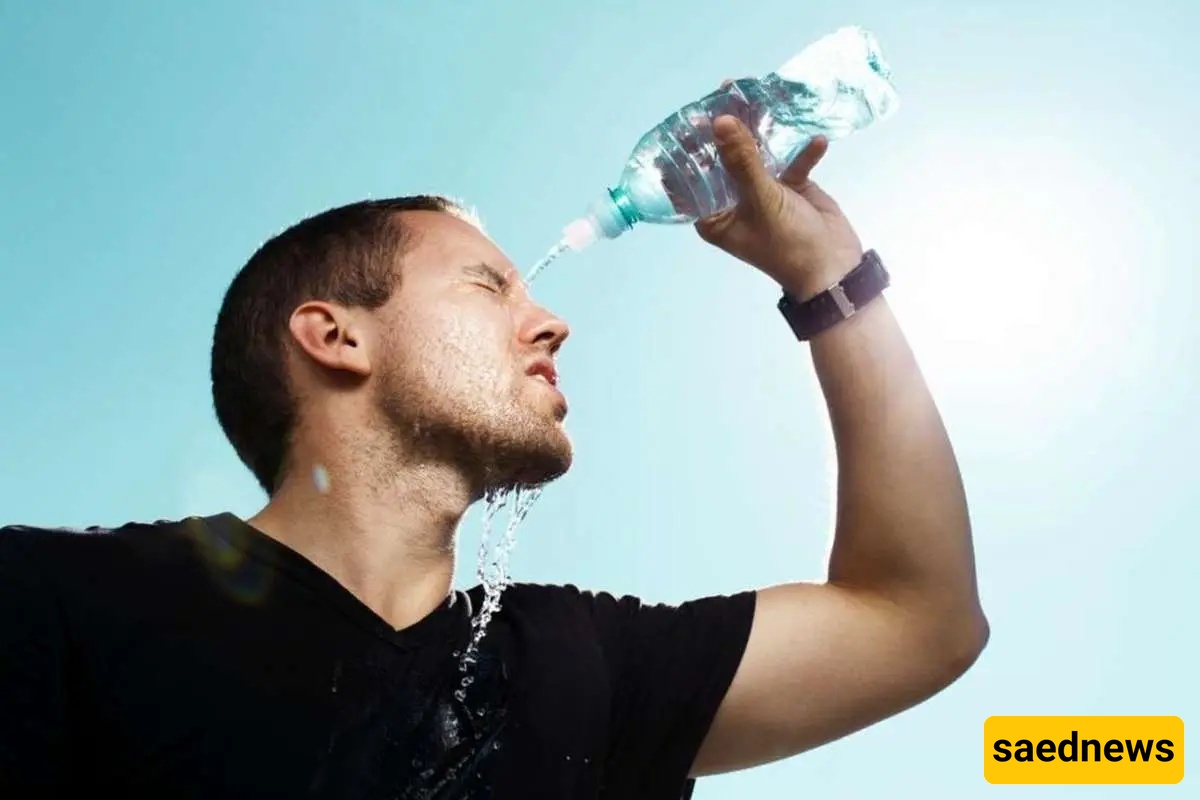
According to SAEDNEWS, During the summer, people sweat more, and failing to drink enough water and fluids can have harmful effects on the body. Dr. Mehdi Alam Rajabi, a gastroenterologist and colorectal fellowship-trained specialist, emphasized that dehydration and insufficient water intake can cause or worsen constipation, especially in individuals with pre-existing digestive disorders. He explained that constipation and difficult bowel movements increase the risk of conditions such as hemorrhoids, anal fissures, and gastrointestinal ulcers. He recommends drinking plenty of water alongside a high-fiber diet. It is important to note that beverages such as tea, coffee, carbonated soft drinks, and fruit juices cannot replace water, although they do contribute to overall daily fluid intake.
Dr. Alam Rajabi also answered several questions about heat-related illness, its symptoms, and the potential health risks it poses.

Heatstroke is a serious condition in which the body's temperature rises excessively due to prolonged exposure to high temperatures, high humidity, or strenuous activity in unfavorable conditions. Normally, the body cools itself through sweating and the widening of blood vessels. However, when these cooling mechanisms fail, a range of heat-related illnesses can develop—from muscle cramps and heat exhaustion to severe heatstroke, which is a medical emergency and can be life-threatening. During periods of extreme heat, factors such as inadequate water intake, lack of sleep, underlying medical conditions, and certain medications can increase the risk and severity of heat-related illness.
The early symptoms typically include excessive sweating (or, in some cases, a complete lack of sweating), dizziness, weakness, fatigue, headache, nausea, muscle cramps, and a rapid heartbeat. If a person feels unable to continue normal activities, notices reduced urine output with dark-colored urine, or experiences dizziness or blurred vision when standing up, these warning signs should be taken seriously.
Heat-related illness can lead to dehydration and electrolyte imbalances involving sodium, potassium, and other essential minerals. It may also cause low blood pressure, resulting in weakness, fainting, or worsening of existing heart conditions. Dehydration can impair kidney function, particularly in individuals who are already dehydrated, and can aggravate chronic conditions such as diabetes, hypertension, heart disease, and kidney disease. In severe cases, excessive body temperature can lead to confusion, organ damage, and life-threatening complications. From a digestive standpoint, heat-related illness may also cause nausea, abdominal pain, diarrhea, constipation, or a flare-up of pre-existing gastrointestinal disorders.
Older adults, children—especially young children—and people with heart disease, kidney disease, or diabetes are at greater risk. Individuals with poor appetite or malnutrition, those with obesity, and people who work or exercise outdoors in hot conditions are also more vulnerable. In addition, people taking certain medications, such as blood pressure drugs, diuretics, some psychiatric medications, or drugs that reduce sweating, face a higher risk. Anyone with a previous history of heatstroke or whose job requires prolonged outdoor work is also more susceptible.
Yes, indirectly. Dehydration and disturbances in fluid and electrolyte balance can negatively affect bowel function. For patients with chronic diarrhea, functional constipation, inflammatory bowel diseases such as colitis, or those recovering from gastrointestinal surgery, hot weather may worsen symptoms by reducing fluid intake, altering eating habits, and increasing nausea or loss of appetite. These individuals should pay extra attention to staying hydrated and choosing light, easily digestible, and safe foods.
Five key steps can significantly reduce the risk of heat-related illness:
Stay well hydrated: Drink water before you feel thirsty, as thirst is often a late sign of dehydration.
Limit direct heat exposure: Avoid going outdoors during the hottest hours of the day, typically between 11:00 a.m. and 5:00 p.m.
Keep cool: Wear lightweight, light-colored cotton clothing and use air conditioning or fans appropriately.
Eat light meals: Choose light, healthy meals and include thoroughly washed fruits and vegetables while avoiding heavy, greasy foods.
Rest and pace your activities: If you need to be active, keep sessions short and take frequent breaks.
A practical guideline is that your urine should not be dark or produced in very small amounts. There is no single recommended amount of water for everyone because fluid needs depend on age, body weight, physical activity, and underlying health conditions. Excessive water intake can be harmful for people with conditions such as heart failure or kidney disease, or for those taking certain medications. In these cases, fluid intake should follow a physician's recommendations. For most healthy people, however, drinking water regularly throughout the day is both safe and appropriate.
If heavy sweating, diarrhea, vomiting, or muscle cramps have caused dehydration, replacing electrolytes becomes important. In such situations, standard Oral Rehydration Solution (ORS) or electrolyte-containing drinks can be beneficial. However, if someone is only mildly tired and has normal urine output, plain water along with light meals is usually sufficient. Patients with heart or kidney disease should avoid electrolyte-rich beverages unless advised by their physician.
Move the person to a cool, shaded, or air-conditioned environment. Loosen tight clothing and cool the body using gentle methods, such as a fan or cool compresses placed on the neck and underarms. Avoid applying ice directly to the skin. If the person is fully conscious and not experiencing severe nausea, encourage them to drink water slowly. Rest and close observation are essential. If severe symptoms develop—including confusion, fainting, very high body temperature, inability to drink fluids, or persistent vomiting—seek emergency medical care immediately.
Immediate emergency treatment is required if the person develops severe confusion, unusual drowsiness, seizures, persistently high body temperature, little or no sweating despite severe symptoms, severe low blood pressure, fainting, inability to eat or drink because of vomiting, or if an older adult or someone with chronic medical conditions deteriorates rapidly.
People experiencing diarrhea, vomiting, or poor appetite should be especially careful about drinking fluids regularly. They should eat light, easily digestible foods while avoiding fatty, spicy, and heavy meals. Warning signs of dehydration—including dry mouth, dark urine, or reduced urine output—should never be ignored. Patients taking medications, particularly diuretics, should consult their healthcare provider about adjusting the timing of their medication if necessary.
Individuals recovering from gastrointestinal surgery should not change their prescribed diet without medical advice, especially during hot weather. Patients who have undergone gastrointestinal surgery within the past three months—such as bariatric (weight-loss) surgery—or those using weight-loss injections should consume small amounts of fluids frequently throughout the day under their physician's guidance. In some cases, these patients may require intravenous fluids to maintain adequate hydration.
The most effective daily strategy is to follow a consistent hydration schedule and monitor for warning signs of dehydration. Patients should know approximately how much fluid they need each day and understand how to replace fluids if they develop diarrhea or nausea. They should also avoid prolonged exposure to hot environments. For patients undergoing specialized treatments such as chemotherapy, fluid intake should be carefully managed by their treating physician based on their digestive symptoms and overall medical condition.