SAEDNEWS: Seasonal changes can affect eating habits and cause appetite to increase or decrease. For example, during the hot summer months, people often feel that they need less food, while in winter, their appetite tends to increase.

According to SAEDNEWS, A child’s eating habits are primarily influenced by family education and upbringing. In other words, the type of nutrition a child receives from infancy can affect their eating behaviors and habits in the future.
One of the possible reasons for reduced appetite in children during summer may be the hot weather. Additionally, allergies, food poisoning, sunstroke, and dehydration may become more common during this season. Therefore, it is important to pay attention to your own nutrition and your child’s diet during summer to avoid facing any health problems.
To stay healthy during the long days of the year and make the most of the summer season, you do not need to do anything difficult or extraordinary. You can use simple foods to relieve allergies, reduce fatigue, refresh your skin, and ultimately enjoy a healthy and pleasant summer.
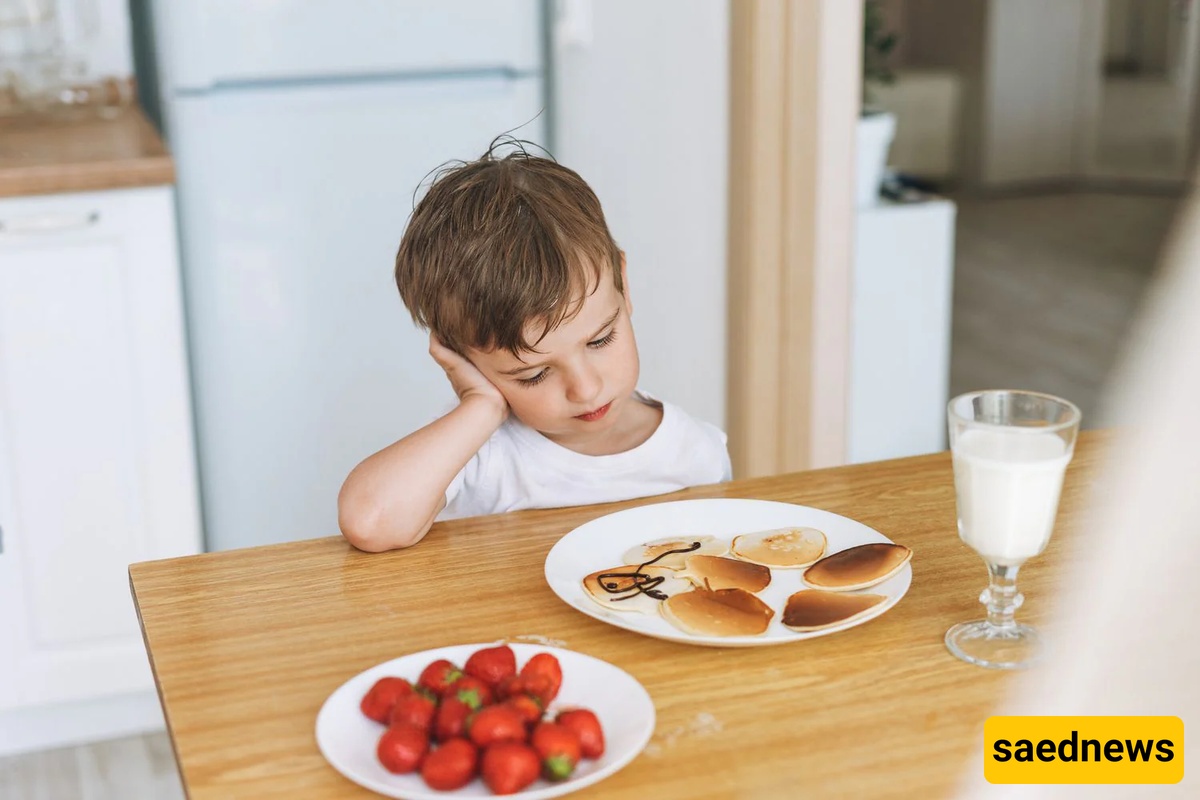
1- A child’s meals should be served at a specific time, in a bright and pleasant environment, and in colorful dishes (such as red or orange). Keep in mind that cool colors, such as blue and green, as well as dark environments with insufficient light, can reduce a child’s appetite. Among the main meals and snacks, breakfast has special importance. Foods such as prepared bread and cereals, milk, cheese, halim, butter, eggs, fruits or fruit juice, soup, and lentil soup are excellent choices for breakfast.
2- Eating together with the family, as long as it is not accompanied by noise, arguments, or tension, can encourage children to enjoy eating. The child’s seating area should be comfortable, and their food plate should be slightly deep. The child’s spoon and fork are better to be made of disinfectable plastic, and the drinking cup should be colorful and slightly less than full.
3- Children usually do not prefer spicy and heavily seasoned foods, and such foods may reduce their appetite. Desserts, sweets, and chocolate should not be given to children continuously or in excessive amounts. In addition, children often prefer foods such as minced meat, sliced fruits and vegetables, and finger-sized foods like cutlets, homemade hamburgers, and pieces of food that they can easily hold and pick up with their small hands.
4- Try to control your reactions to children’s playful behaviors or mistakes. Laughing at them, becoming upset, or arguing in response to children’s intentional or unintentional behaviors can both be harmful and may lead to negative learning experiences.
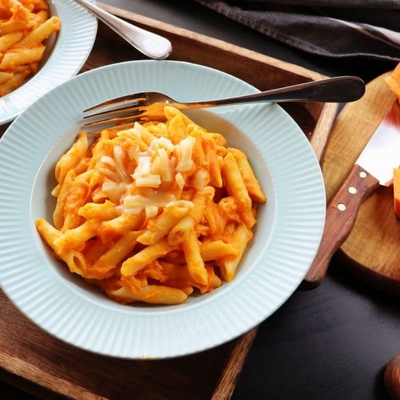
5- Use colorful and cheerful dishes, tablecloths, and even foods with warm colors (such as orange or red), because attractive colors and pleasant smells can stimulate a child’s appetite. Also, while eating, avoid constantly looking at your child’s plate. Explaining the benefits of a certain food or insisting that the child eat a specific food may cause them to avoid eating that food permanently, even as they grow older.