SAEDNEWS: The complete eradication of troublesome mosquitoes may seem like a good idea, but it could have harmful consequences for natural ecosystems.
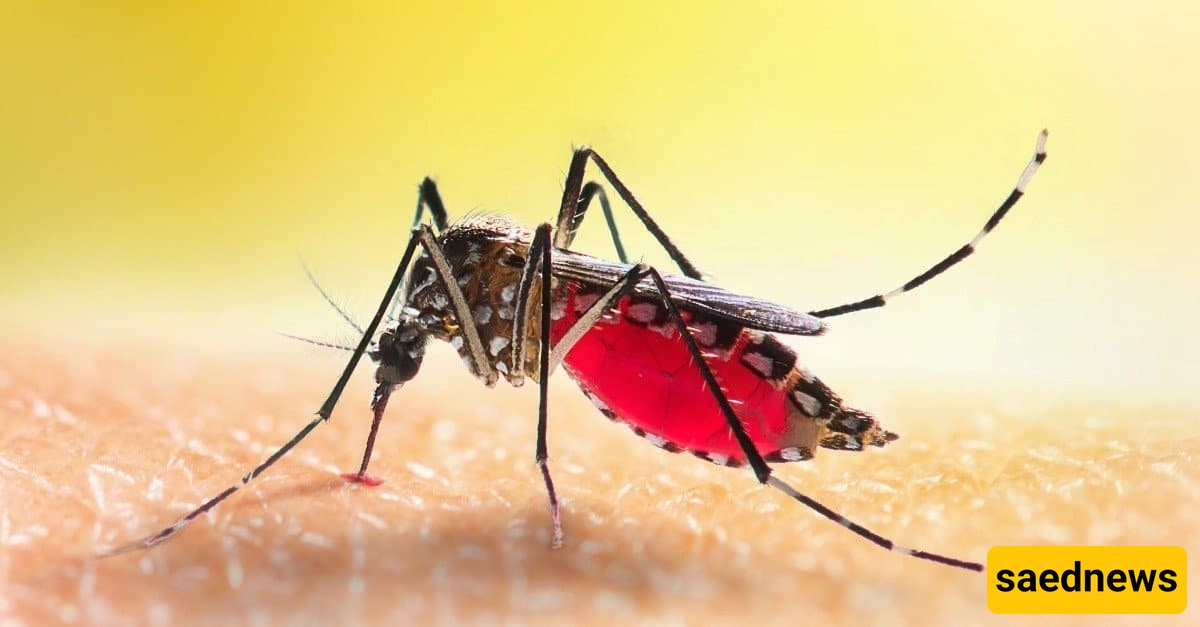
According to SAEDNEWS, Mosquitoes are a primary food source for many species of birds and bats. Mosquito larvae are also regularly consumed by various freshwater fish and aquatic insects such as backswimmers, dragonflies, and diving beetles.
Mosquito consumers, in turn, provide food and other resources for additional organisms. Bats are a good example, as they play an important role in maintaining the health of cave ecosystems. They also help control agricultural pests by feeding on large numbers of insects that can damage crops.
Eradicating mosquitoes might make humans happy for a short period of time, but ultimately, because of a range of negative consequences, it could harm many ecosystems by affecting numerous other species. A better approach might be to eliminate the disease-causing parasites that use mosquitoes as vectors.
Removing mosquitoes would certainly have consequences. The first question is how mosquitoes would be eliminated. Spraying pesticides is the most common method, and it would be unavoidable that non-target species would also be affected.
The second question is what impact the absence of mosquitoes would have. Although we are mostly familiar with mosquitoes’ blood-feeding behavior, their main food source is actually flower nectar. Only female mosquitoes consume blood, and they do so to obtain additional proteins needed for egg production. By feeding on nectar, mosquitoes also serve as pollinators.
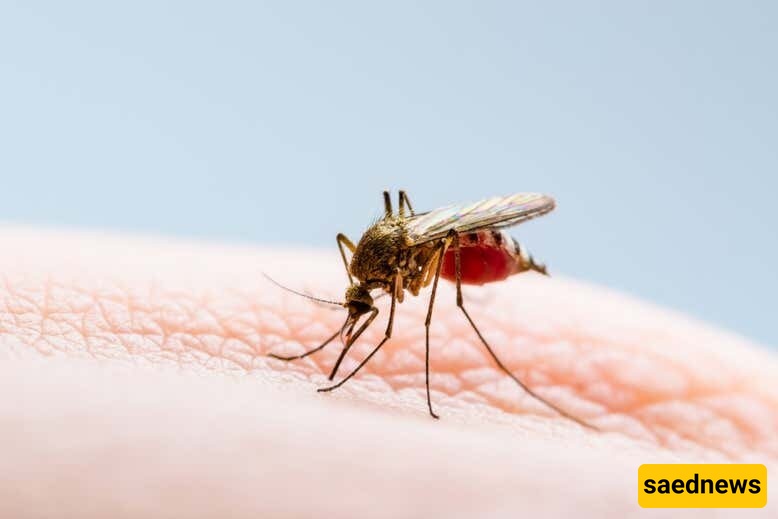
Another potential consequence of mosquito eradication is its effect on the behavior of other species. In areas where large numbers of biting insects are present, cattle, horses, and other large grazing animals spend parts of the day resting in dusty, vegetation-free, wind-exposed areas to avoid insect bites.
Removing biting insects could eliminate these behavioral limitations, allowing grazing animals to remain for longer periods in areas that are currently only tolerable for short durations due to high insect density. This could potentially affect vegetation coverage and plant communities.
A 2010 article titled “Ecology: A World Without Mosquitoes” published in the journal Nature discussed the idea of completely eradicating mosquitoes. The article ultimately concluded that mosquitoes appear to perform certain ecological roles that other organisms cannot replace as effectively, with one exception: sucking blood. Mosquitoes are exceptionally efficient at taking blood from one individual and transferring it to another, creating an ideal pathway for spreading disease-causing microbes.