SAEDNEWS: Maybe this is also a question for you: why don’t animals need to brush their teeth? In the following, you will learn about the main reasons why animals do not need to brush their teeth.
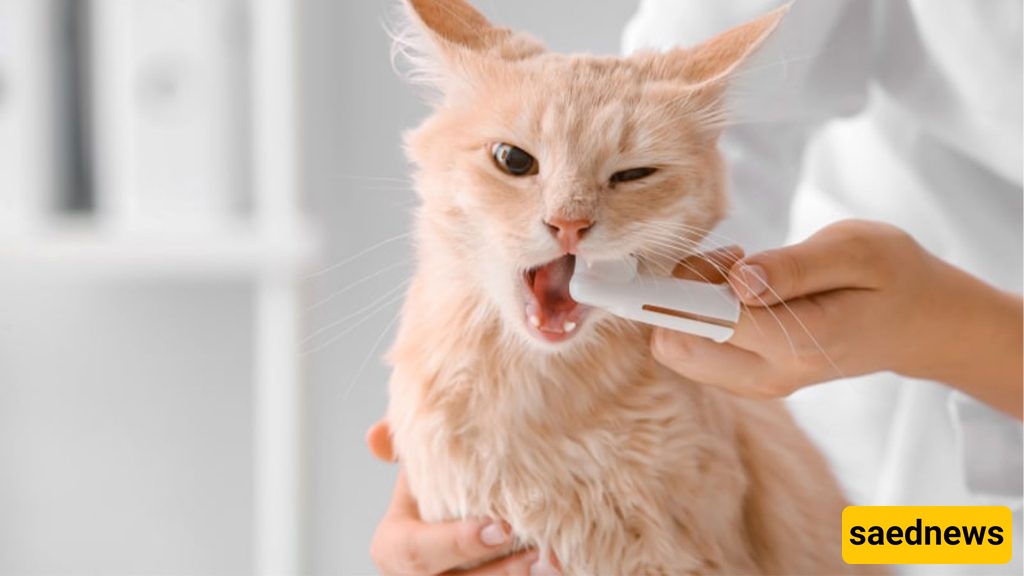
According to SAEDNEWS, We all know that brushing teeth in the morning and at night is very important, but what about animals? Do they also need to brush their teeth? Although wild animals eat raw food that contains no sugar, this type of diet is healthier for teeth. Also, many animals do not live as long as humans, so their teeth are not expected to last for a very long time. However, there are also animals that live longer than humans and consume processed foods. So, it is better to explain this interesting topic in more detail in this section.
We humans eat processed foods that contain sugar. That is why our teeth need brushing to stay healthy for a longer time. However, wild animals do not eat processed foods, and there is no sugar in their diet. They eat natural foods such as berries, vegetables, meat from animals, insects, water, and so on. As a result, they do not need dental care in the same way. The sugar that humans consume is the main cause of tooth decay.
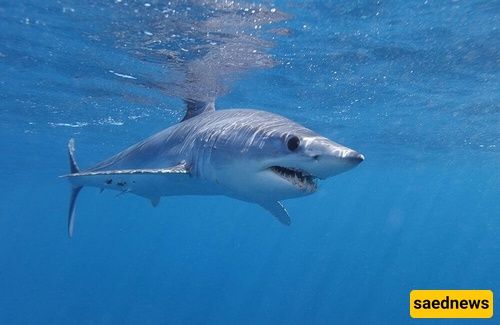
Some animals have very interesting characteristics, one of which is the constant replacement of their teeth. This is true for some predators such as sharks. Sharks are always growing new teeth because they constantly chew hard objects like bones. As a result, they need new teeth, and throughout their lifetime they may produce around 35,000 teeth. These teeth fall out quickly and are continuously replaced by new ones.
Most animals have shorter lifespans compared to humans, and as a result, their teeth do not require long-term care. In other words, keeping a tooth healthy for 30 to 40 years is not necessary for their bodies. That is why they do not need to brush their teeth. For example, dogs live about 13 years, cats about 13 years, tigers about 25 years, and horses about 26 years.
Some animals such as dogs, whales, lions, tigers, and other big cats—even large wild animals—have a higher pH level in their saliva, which helps prevent tooth decay. For example, a dog’s saliva has a pH of about 8.5, while in humans it is around 7.5. This higher pH helps animals maintain healthier teeth and reduces the risk of dental decay.
Cow: Cows chew their food thoroughly and then spread saliva throughout their mouth, which helps clean between their teeth and remove food particles.
Big cats: Animals such as tigers and other large felines have wide spaces between their teeth. They can use objects like natural “toothpicks” and remove anything stuck between their teeth.
Elephants: Elephants have large teeth and often rub them against tree trunks, which works like a natural toothbrush and helps clean their teeth.
Crocodiles: After eating, small birds sit on crocodiles’ teeth and clean out leftover food from between them, helping to keep their teeth clean.