SAEDNEWS: Watching television takes away important experiences from children—such as playing, exploring, breaking things, and rebuilding them—exactly the kinds of activities they need for healthy growth.
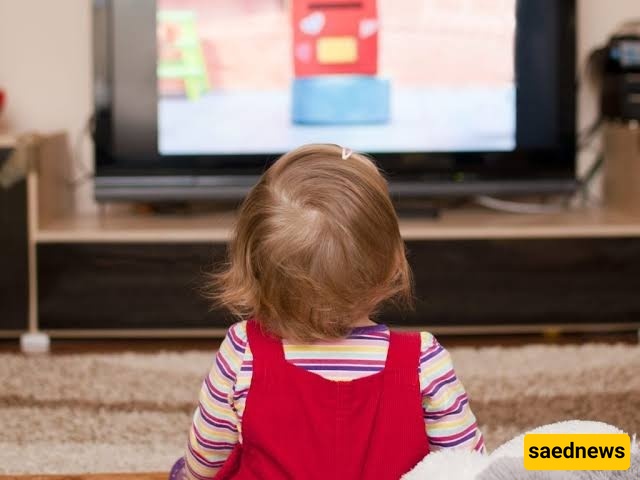
According to the Family Service of Saed News Agency, these days television has become like a quick rescuer for many mothers. When you need to cook, tidy up the house, or simply sit down and take a short break, turning on the TV seems like the easiest solution. The child sits quietly, absorbed in colors and sounds, and remains calm for a while. The problem, however, begins when those few minutes gradually turn into a major part of the child’s day.
The reality is that young children, especially those who have not yet started school, quickly become dependent on television, and it turns into their most important daily form of entertainment. The issue is that this enjoyable pastime takes away opportunities for more meaningful experiences—such as playing, exploring, breaking things and rebuilding them again—activities that are essential for their development.
The first step in controlling television use is to prevent it from becoming a permanent habit in the home. If the TV is on from the morning, even when no one is actively watching, the child unconsciously learns that whenever they feel bored, they should turn to a screen. It is better to assign specific times for television, for example after lunch or in the evening, and only for a limited duration. When a child understands that TV is part of a daily schedule rather than something constantly available, their dependence on it decreases.
Another important point that many mothers overlook is that you cannot simply turn off the TV and expect the child to find another way to entertain themselves. A young child does not yet know how to cope with boredom like adults do. If there is no attractive alternative, it is natural for them to return to the TV again. There is no need for expensive or complicated activities; sometimes a few colored pencils, modeling clay, building blocks, storytelling, or even playing with kitchen plastic containers can engage a child more than expected. The key is that the child should not feel something is being taken away from them, but rather that something interesting is waiting for them.
Perhaps the most difficult part is the moment of turning off the TV—when crying begins, faces frown, and protests arise. This reaction is completely natural. The child is absorbed in the cartoon, and an abrupt stop is unpleasant for them. Therefore, it is better not to end viewing suddenly. Inform them a few minutes in advance: “The cartoon will end in five minutes.” This simple warning helps the child prepare mentally for the end. Using a timer can also be effective, as the child sees the ending not as a sudden decision by the mother, but as part of a clear rule.