SAEDNEWS: Comprehensive Guide: From Sciatica Basics to Mattress Features, Types Comparison, Ideal Sleeping Positions, Buying Tips, and Realistic Expectations for Choosing the Right Mattress
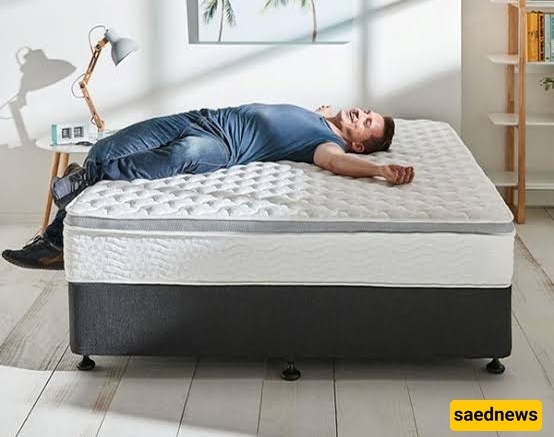
According to Saednews, Sciatica is one of the most uncomfortable musculoskeletal conditions, often affecting people between the ages of 30 and 60. The pain typically starts in the lower back, passes through the buttocks, and radiates down the thigh, calf, and even into the toes. Many patients report that sciatica pain worsens at night during sleep and that they wake up in the morning with stiffness and sharp radiating pain in the legs. One of the most important factors contributing to this worsening condition is an unsuitable mattress.
An old mattress, or one that is either too soft or too firm, can lead to spinal misalignment, increase pressure on the sciatic nerve, and intensify inflammation during the night. Fortunately, choosing the right mattress for sciatica can significantly break this harmful cycle. A good mattress balances firm support with pressure relief, helping the body rest in a more natural position, reducing nighttime pain, and improving sleep quality.
The sciatic nerve is the longest nerve in the human body. It begins at the nerve roots of the L4 to S3 vertebrae in the lower spine, passes through the gluteal muscles, and extends down the back of the leg to the foot. Compression, inflammation, or irritation of this nerve—commonly due to herniated discs, spinal stenosis, muscle spasms (such as piriformis syndrome), or vertebral degeneration—causes sciatica pain.
During sleep, if a mattress fails to distribute body weight properly:
On a very soft mattress, the pelvis sinks too deeply → the natural curve of the spine (lordosis) is lost → direct pressure on nerve roots increases.
On a very firm mattress, pressure concentrates on bony areas (hips, shoulders, buttocks) → localized inflammation and radiating pain worsen.
As a result, incorrect spinal alignment leads to increased nighttime inflammation, reduced blood circulation in the lower back and hips, and more severe pain and stiffness in the morning.
The most suitable mattress for people with sciatica should include the following characteristics:
Medium firmness (Medium-Firm): Usually 5.5 to 7 on a 10-point scale, offering a balance between support and comfort.
Strong lumbar support: Reinforced central zones to maintain the natural curve of the spine.
Pressure relief: Comfort layers (memory foam, latex, or gel) that adapt to body shape and reduce pressure on hips and shoulders.
Even weight distribution: Prevents sinking in specific areas.
Spinal alignment support: Keeps the spine in a neutral position whether sleeping on the side or back.
Breathability and temperature control: Cooling materials help prevent overheating during sleep.
Motion isolation: Reduces disturbance from a partner’s movement.
Research and expert opinions (including physiotherapists and sleep specialists) suggest:
Very soft mattresses (below 5): Generally the worst option. They cause excessive sinking of the hips and spinal misalignment, increasing sciatic nerve pressure.
Very firm mattresses (above 8): May be suitable for heavier individuals, but often create pressure points on hips and shoulders, especially for side sleepers.
Medium to medium-firm mattresses (5.5–7.5): The most recommended range for most people, providing proper spinal support while allowing pressure relief.
Important note:
If your weight is above 90 kg, lean toward medium-firm.
If your weight is below 70 kg or you have wider hips, a slightly softer medium range may be more suitable.
A combination of pocketed coils and foam or latex layers. They provide strong support and excellent pressure relief. Often considered the best overall choice for sciatica.
They contour to the body and significantly reduce pressure points, making them ideal for side sleepers. Cooling gel versions are recommended to prevent heat retention.
Natural or synthetic latex offers strong support, breathability, durability, and good pressure distribution. Suitable for people sensitive to heat or allergies.
Provide good motion isolation and support but require additional comfort layers for optimal sciatica relief.
Can be helpful only if they include a high-quality comfort layer; otherwise, they are less effective for sciatica.
Overall conclusion: Hybrid mattresses with medium firmness have the highest satisfaction rates among sciatica patients.
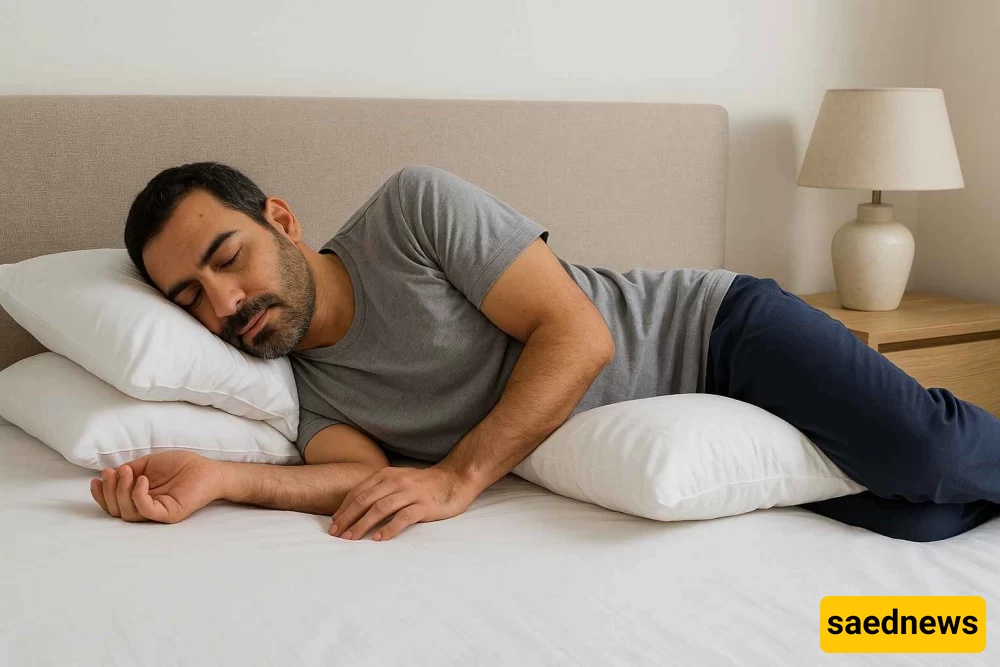
Best position: Side sleeping
Knees slightly bent
Pillow between the knees to align the hips and reduce nerve pressure
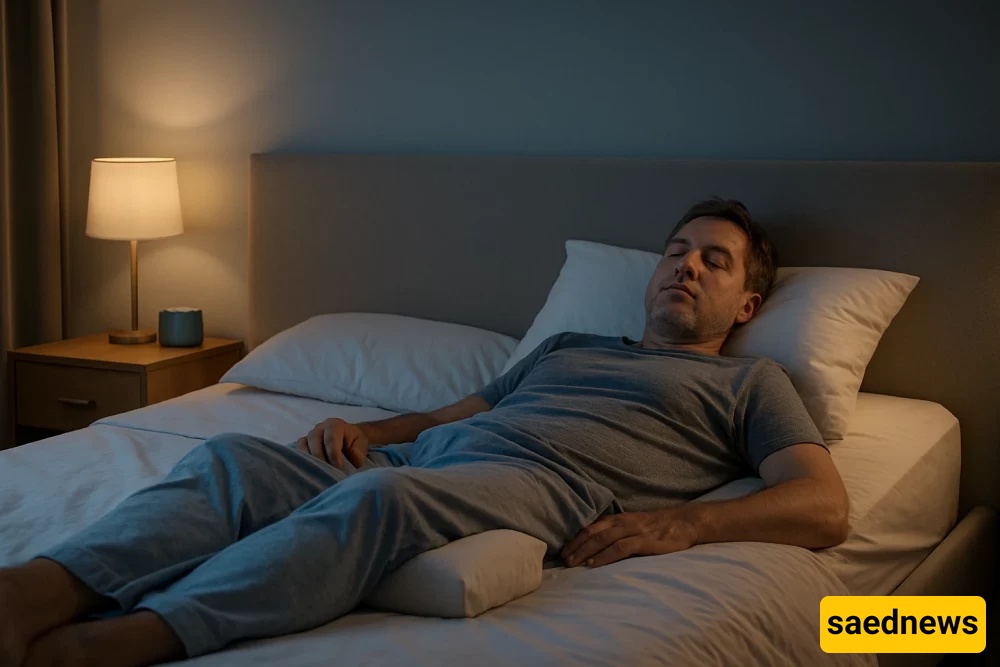
Second best: Back sleeping
Small pillow under the knees to maintain spinal curvature
Worst position: Stomach sleeping
Increases lumbar arch and pressure on the spine → strongly discouraged
Proper pillow use (orthopedic or supportive pillows) is essential for maintaining spinal alignment.
Body weight and height (heavier individuals need firmer and thicker mattresses)
Severity and duration of sciatica (chronic cases require better pressure relief)
Material quality (hybrid, cooling memory foam, or latex preferred)
Mattress height (25–30 cm or more recommended)
Trial period (at least 100–365 nights) and long warranty (10+ years)
Ease of movement and repositioning during sleep
No. A mattress does not cure sciatica. It helps manage pain, improves sleep quality, and prevents worsening symptoms. For better results, it should be combined with:
Stretching exercises (e.g., cat-cow, piriformis stretches)
Physical therapy and core strengthening
Correct posture during sitting and standing
Medical treatment if necessary (medication, injections, or surgery in severe cases)
For most people with sciatica, a hybrid or memory foam mattress with medium firmness (5.5–7) provides the best results. These mattresses support spinal alignment, reduce pressure on the hips and buttocks, and significantly improve sleep quality. Choosing the right mattress can make a noticeable difference in daily comfort and morning pain levels.
A careful selection process, combined with a proper sleep position and supportive pillows, is essential for effective long-term relief from sciatica discomfort.