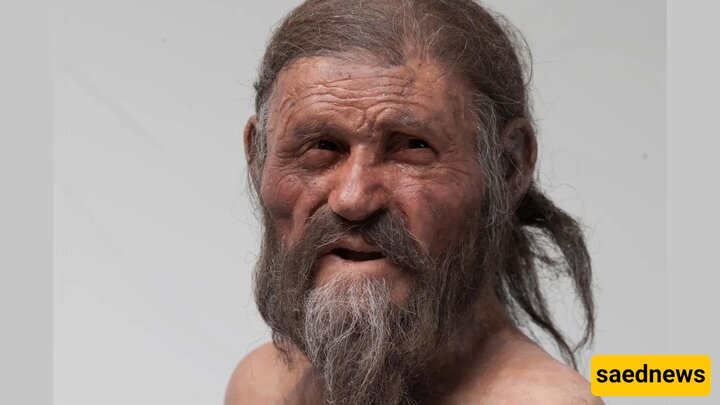
Saed News: More than three decades have passed since the discovery of Ötzi, the 5,300-year-old Iceman and Europe's most famous natural mummy, yet he continues to surprise scientists. A new study has shown that Ötzi's body hosts yeasts that have not only survived extremely cold conditions but, still retain the ability to grow and remain active.
According to SAEDNEWS, European researchers have successfully used yeasts found on Ötzi, Europe's most famous natural mummy, to prepare sourdough and bake bread.
Ötzi, known as the "Iceman," died about 5,300 years ago in the Alps. His body was buried in natural ice and remained almost untouched until it was discovered by two mountaineers in 1991. These exceptional preservation conditions have made Ötzi one of the most important scientific windows into the lives of people during the Copper Age.
Previous studies had shown that he was murdered in his forties and had eaten ibex meat, deer meat, and wheat shortly before his death. Since then, researchers have repeatedly examined the mummy's remains to gain insights into the lives of Copper Age humans.
In the new study, scientists analyzed samples taken from Ötzi's skin, his storage environment, and water produced by melting ice surrounding the body. The results revealed the presence of several cold-adapted yeast species. These yeasts most likely originated from the glacial environment of the Alps.
One of the study's interesting findings was that a species of cold-loving yeast has become the dominant species on Ötzi's skin in recent years. This suggests that some of these microorganisms have continued their slow growth even under the controlled conditions used to preserve the mummy.
In the new research, published in the journal Microbiome, scientists successfully cultured four species of these yeasts in the laboratory. Initial tests showed that at least some of them are suitable for producing sourdough and perform well during the fermentation process.
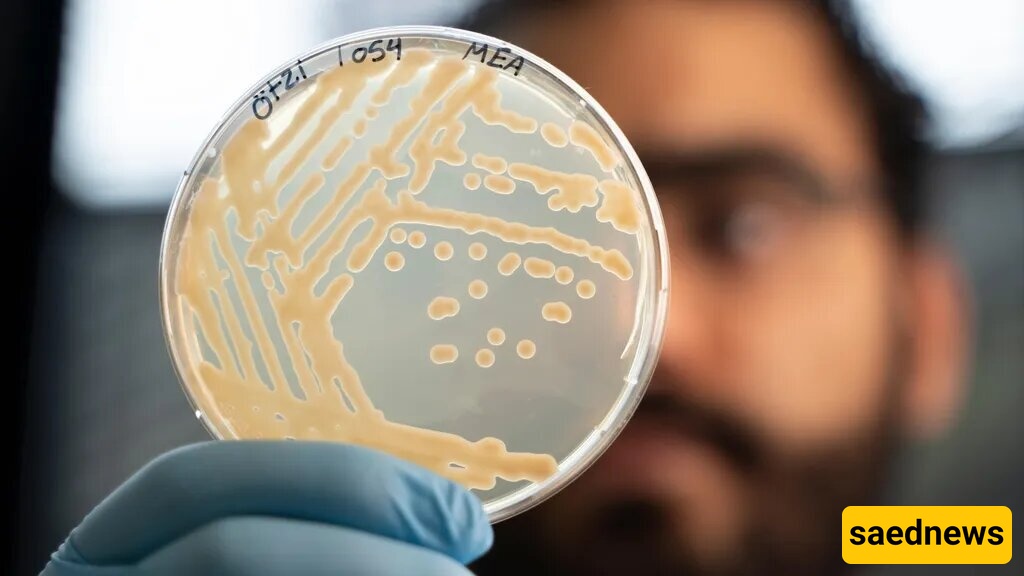
The analysis of Ötzi's microbiome indicates that the mummy's body still represents a complex and dynamic ecosystem. According to the researchers, studying these ancient microbes could improve our understanding of the evolution of the human microbiome, the effects of modern diets, and even the development of new technologies in the food and biotechnology industries.
What makes this discovery unique is that it demonstrates how some forms of microscopic life can survive far beyond what we previously imagined and, even after thousands of years, re-enter the cycle of life.