SAEDNEWS: Teaching children to be organized and responsible does not require punishment. Positive guidance, clear expectations, and consistent routines help children understand the value of discipline while building confidence and self-control. With patience and encouragement, parents can create an environment where good habits develop naturally.
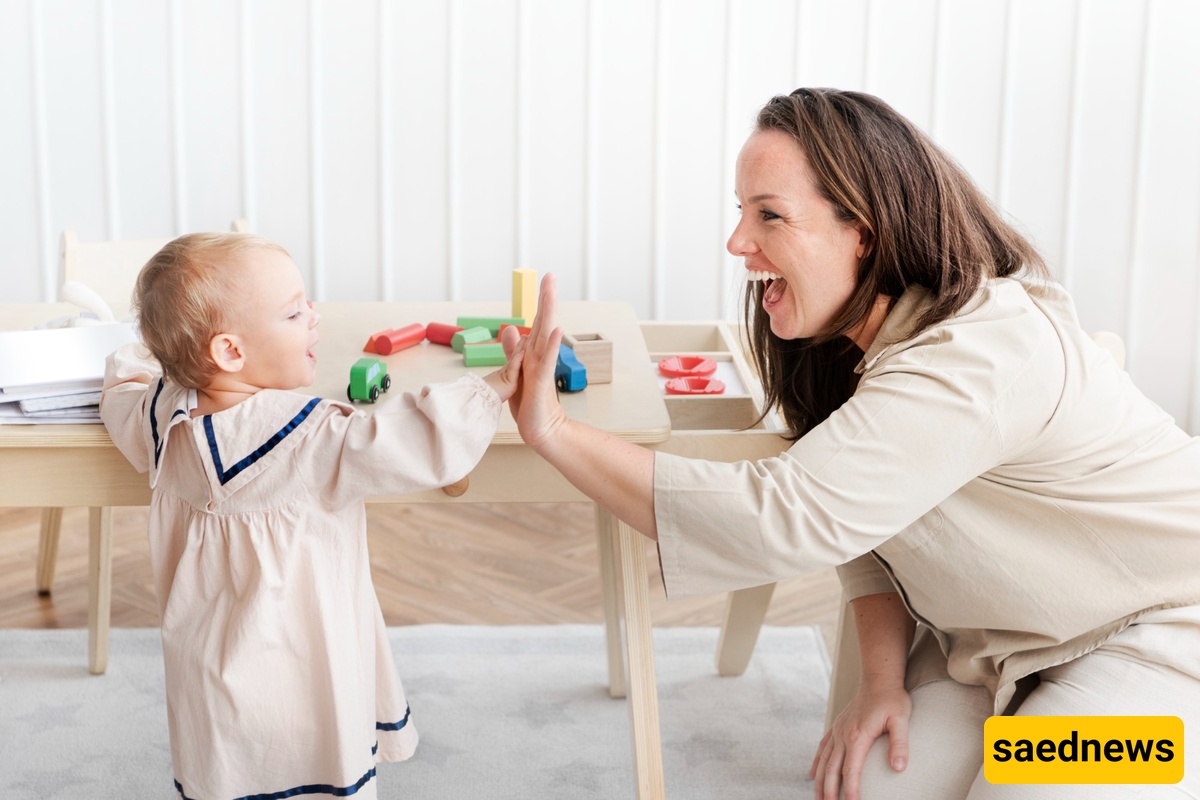
According to SAEDNEWS, children learn discipline best when they feel safe, respected, and supported. Instead of relying on punishment, parents can use positive strategies that encourage responsibility and cooperation. Consistency, kindness, and clear communication help children understand expectations while strengthening the parent-child relationship.
Children feel more secure when they know what to expect each day. Setting regular times for waking up, meals, homework, play, and bedtime helps them develop healthy habits. Visual schedules or checklists can make routines easier to follow, especially for younger children. Repeating these routines consistently allows discipline to become a natural part of daily life.
Children often copy the behavior they see at home. When parents keep their belongings organized, complete responsibilities on time, and stay calm during challenges, children are more likely to develop similar habits. Demonstrating respect for rules and responsibilities teaches discipline more effectively than lectures or punishment.
Recognizing a child's effort can be a powerful motivator. Praise specific actions such as putting away toys, completing homework, or helping with household tasks. Positive reinforcement helps children understand which behaviors are expected and encourages them to repeat those actions. Small rewards, words of appreciation, or extra family time can strengthen these good habits.
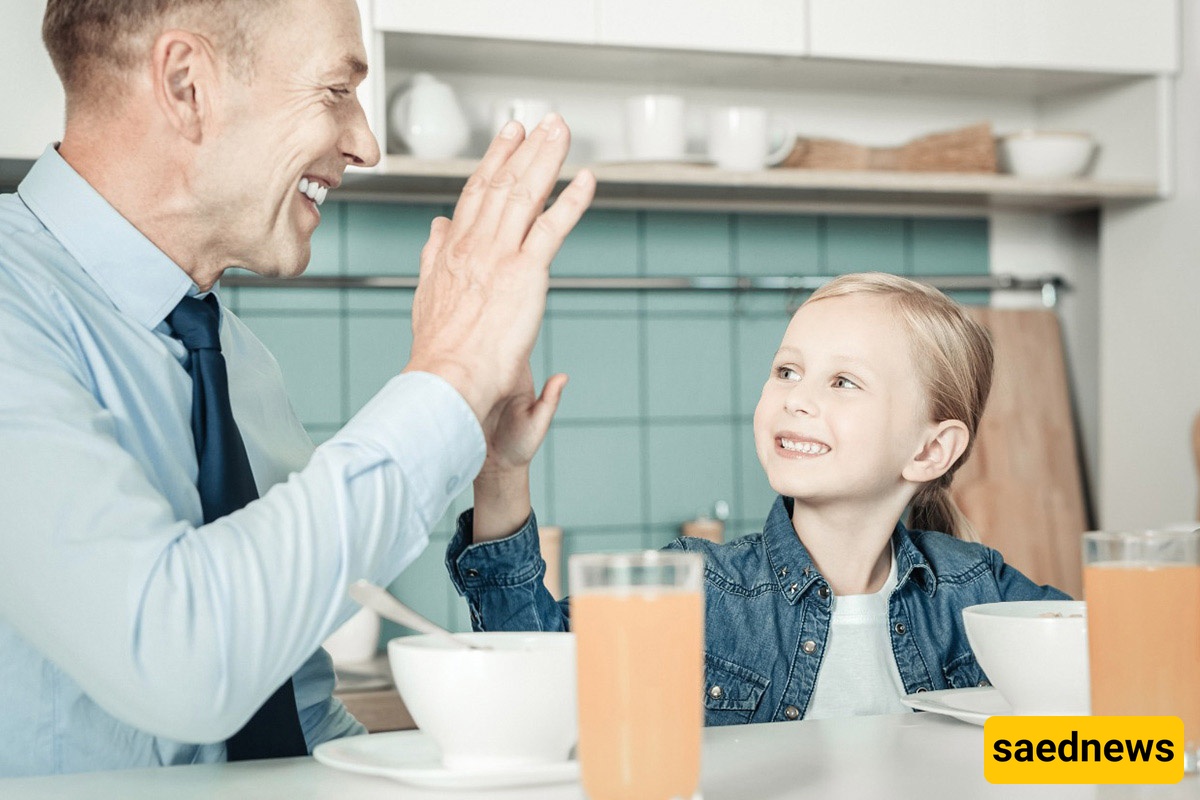
Giving children age-appropriate choices helps them feel responsible for their decisions. For example, they may choose whether to clean their room before or after reading a book. If they forget a responsibility, allow natural and reasonable consequences whenever it is safe to do so. This approach teaches accountability without creating fear or resentment.
Learning discipline is a gradual process that takes time. Children will make mistakes as they develop new habits, and parents should respond with calm guidance rather than anger. Consistently reminding children of expectations, celebrating progress, and offering gentle corrections builds self-discipline that lasts well into adulthood.