SAEDNEWS: In this article, we examine the key differences between glass cooktops and stainless steel gas stoves from various perspectives. The goal is to help you better understand your needs and the intended use of each option, so you can make a more suitable choice when purchasing a new cooktop.
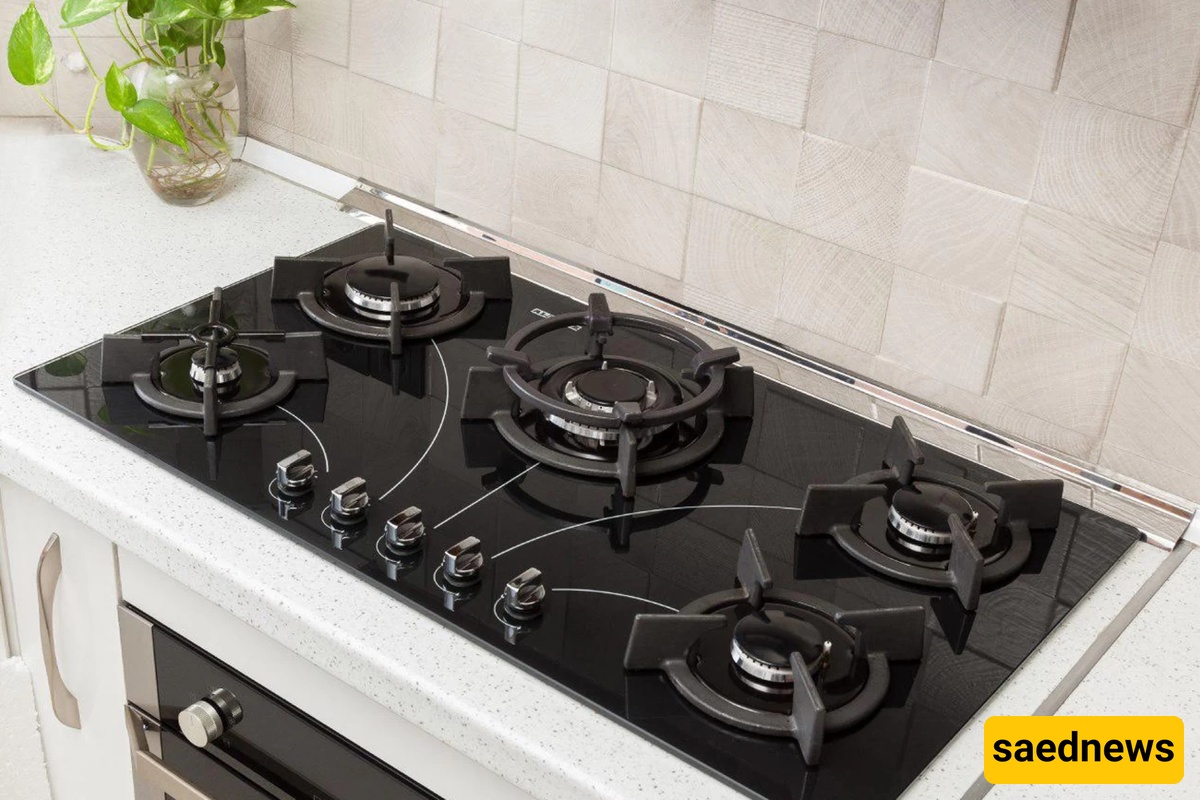
According to Saednews, When buying a built-in gas cooktop, one common question often comes up: Which is better, a glass or stainless steel gas cooktop? Apart from their different appearances, these two options also differ in terms of functionality, durability, maintenance, safety, and price. Choosing between a five-burner glass cooktop and a stainless steel model can therefore be difficult and ultimately depends on your personal preferences and needs.
Many people assume that the only difference between these two types of cooktops is their appearance. However, a closer look shows that five-burner glass and stainless steel cooktops have several important differences.
These differences can also affect how each type performs in everyday use. Let’s take a closer look at the main features of glass and stainless steel gas cooktops.
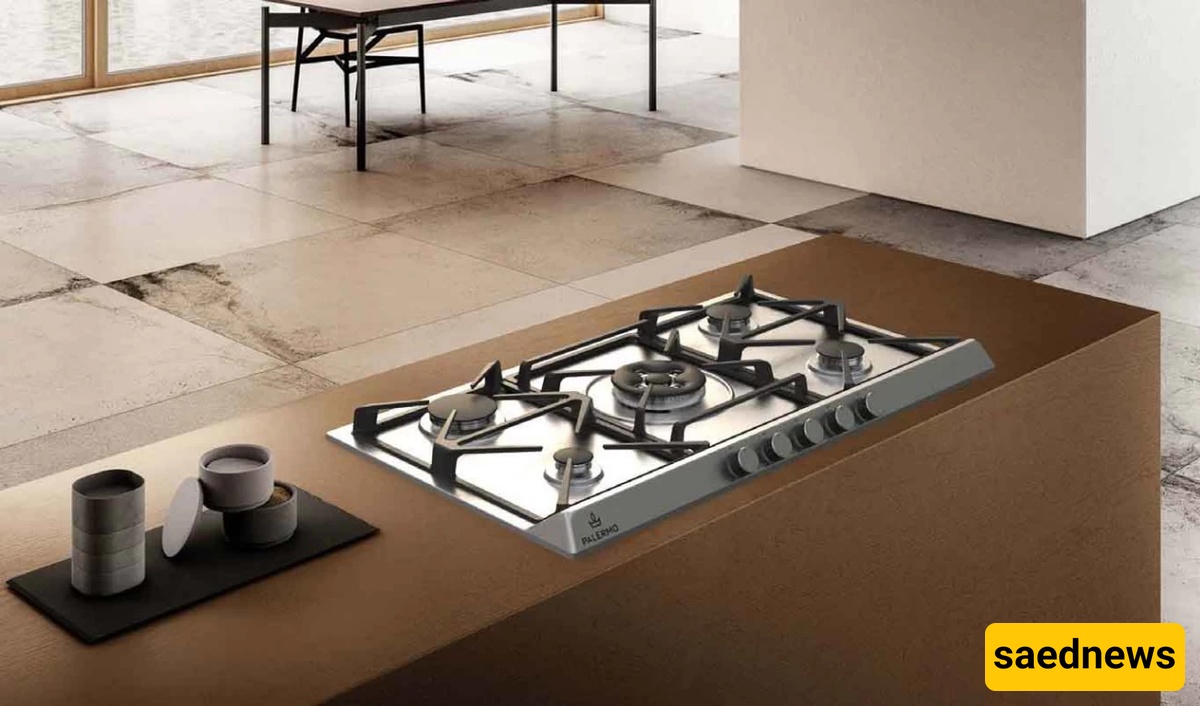
Glass gas cooktops are generally available with either manual or automatic ignition. With manual ignition, you need a lighter or match to light the burner. With automatic ignition, no lighter or match is required. Simply turn the control knob and the burner ignites automatically.
Although automatic ignition is very convenient, repairing the ignition system can be more complicated if it becomes damaged.
In comparison, most stainless steel five-burner gas cooktops are available with manual ignition. As mentioned above, you need a lighter or match to ignite the burners. However, some brands also offer stainless steel models with automatic ignition.
If you want a cooktop that will last for many years, durability is an important factor to consider.
For glass cooktops, the quality of the glass plays a major role in determining the product’s lifespan. High-quality, heat-resistant glass is less likely to become damaged during normal use.
Poor-quality glass may be more vulnerable to cracking or breaking, particularly when exposed to uneven heat distribution. The glass should also be strong enough to withstand accidental impacts from heavy cookware.
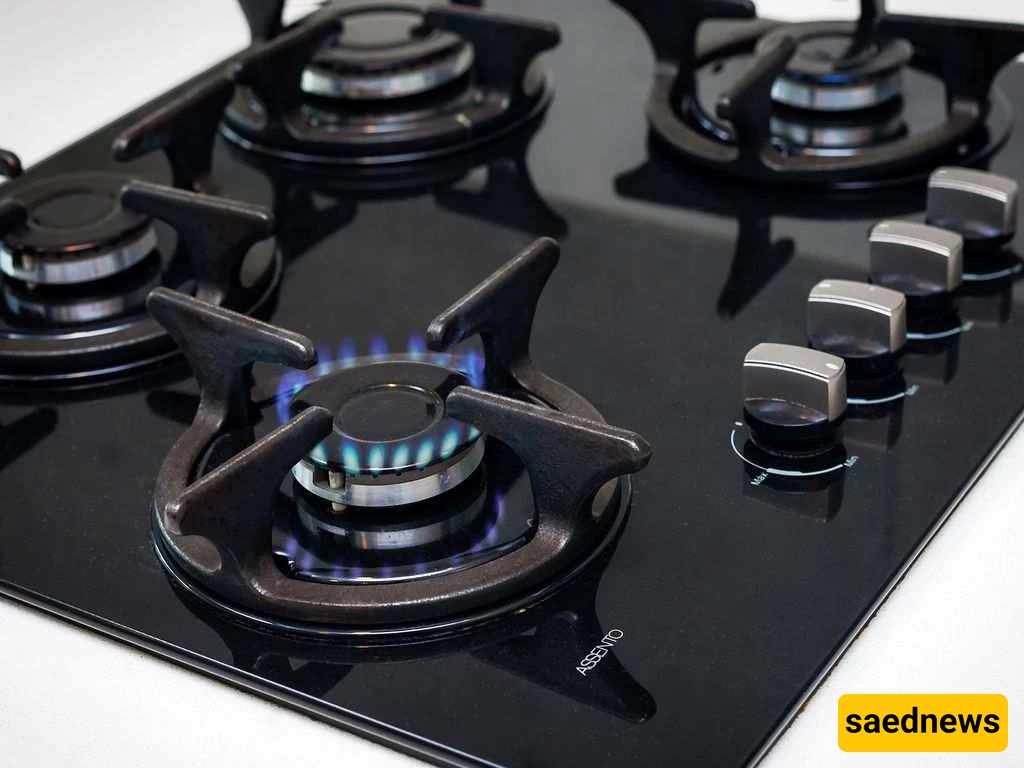
Stainless steel is generally stronger and more impact-resistant than glass. Steel has high structural strength and provides a durable surface for everyday cooking.
Because stainless steel is a strong metal surface, placing heavy pots and pans on it is generally less concerning. With proper manufacturing and installation, both glass and stainless steel cooktops can meet relevant safety and quality standards.
When it comes to cleaning, glass cooktops generally require more care. They should be cleaned regularly, and you should always allow the burners and cooking surface to cool completely before cleaning.
A soft damp cloth and a suitable cleaning solution are usually sufficient. Avoid abrasive cleaners or rough cleaning tools, as they can scratch or damage the glass surface.
By comparison, stainless steel cooktops are generally easier to clean. You can use a damp cloth and suitable household cleaning products. However, stainless steel surfaces can lose their shine over time and may show fingerprints, water marks, or stains more easily.
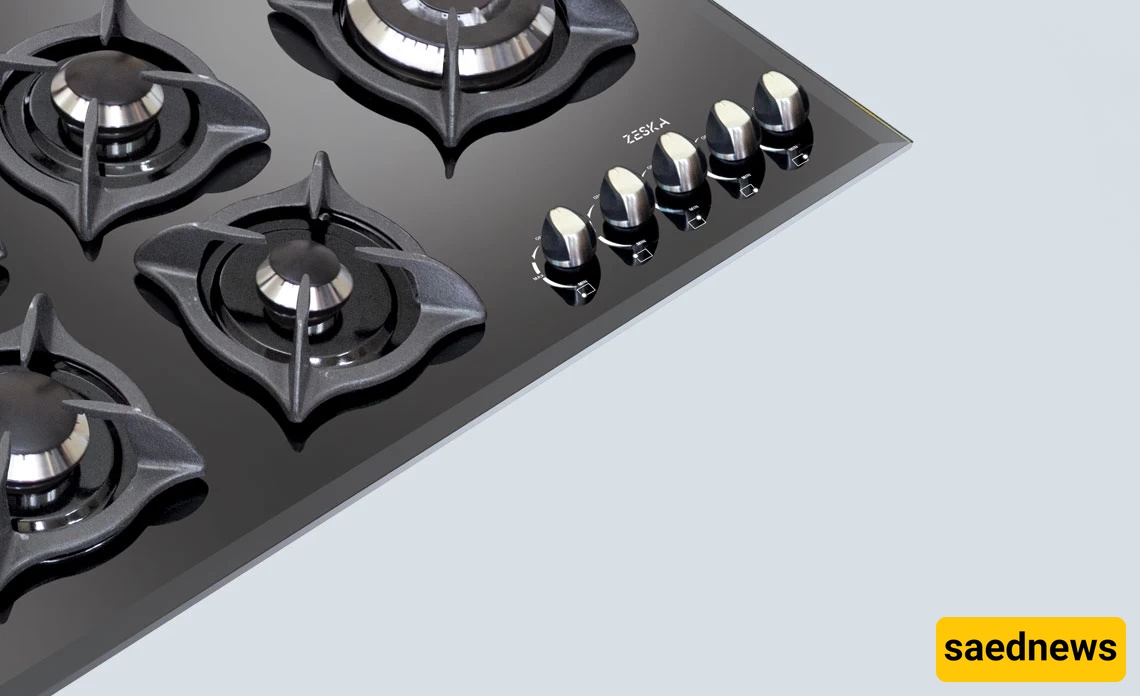
There is no doubt that glass cooktops have a modern, elegant, and sophisticated appearance. They are available in a variety of finishes and contemporary designs, making them particularly suitable for modern kitchens.
Stainless steel cooktops were traditionally associated with simple and basic designs. Today, however, many manufacturers offer stainless steel models with attractive, modern styling. Their practical appearance and neutral finish allow them to fit easily into a wide range of kitchen designs.
The tempered glass used in five-burner gas cooktops is significantly stronger than ordinary glass. It is designed to provide a durable surface that can withstand heat and normal levels of pressure. Glass cooktop surfaces are commonly manufactured in different thicknesses, including 4, 6, and 8 millimeters, depending on the model.
Stainless steel cooktops also offer excellent resistance to heat and corrosion. Their metal construction makes them suitable for long-term use, and unlike glass cooktops, they do not have the same risk of the surface shattering from impact.
However, the overall safety of either type depends on the quality of the product, proper installation, and compliance with applicable safety standards.
A five-burner glass cooktop can provide relatively consistent heat distribution across its cooking surface. The heat-resistant glass surface is designed as part of a sealed cooking system, while the burner design and construction also influence how evenly heat reaches cookware.
Stainless steel cooktops can also provide effective heat distribution, although performance varies considerably depending on the burner design, burner spacing, and construction of the individual model.
Therefore, when comparing heat performance, the quality and design of the burners are often just as important as the material of the cooktop surface.
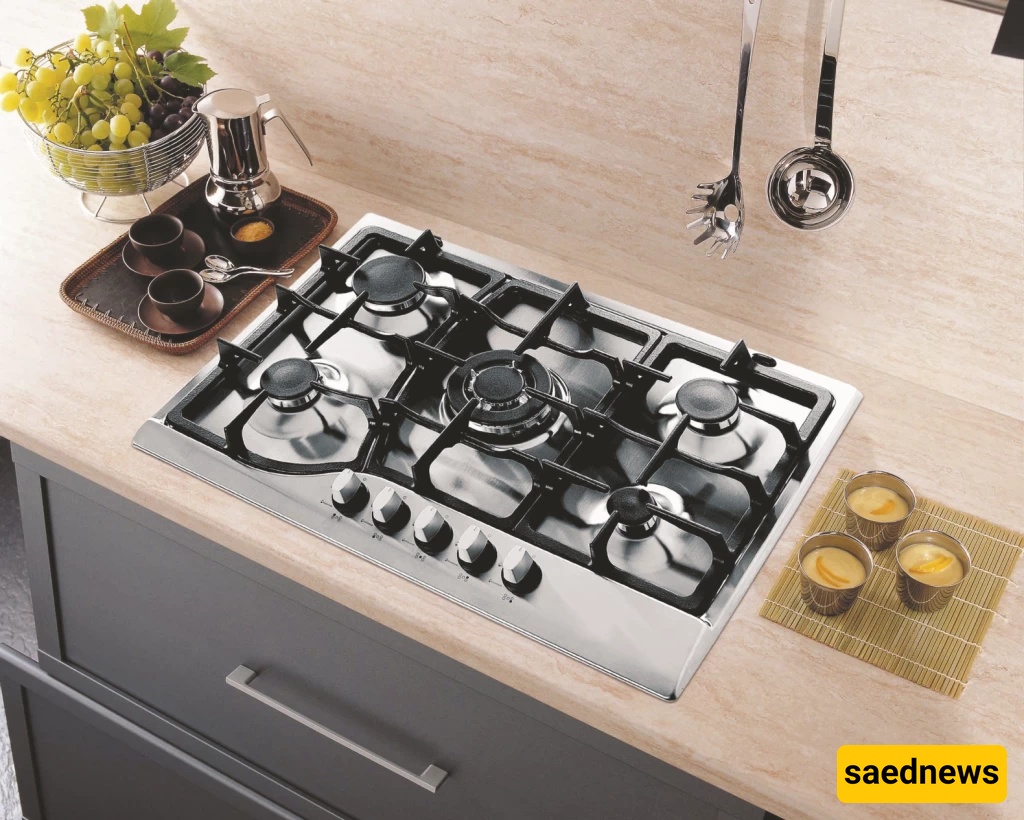
Glass gas cooktops are generally more expensive than comparable stainless steel models. One reason is the cost of manufacturing and using high-quality tempered or heat-resistant glass.
Even among budget-friendly cooktops, glass versions are often priced higher than stainless steel alternatives. The final price also depends on factors such as the design, available features, number of burners, ignition system, and overall capacity.
Stainless steel models are generally more affordable and widely available. They offer a practical option for buyers who prioritize durability and value for money.
Both glass and stainless steel gas cooktops have their own advantages and disadvantages.
Glass cooktops are a good choice if you prioritize:
Modern and elegant design
A sleek kitchen appearance
Easy-to-wipe surfaces
A contemporary look
Stainless steel cooktops may be more suitable if you prioritize:
Durability
Resistance to impact
Lower purchase cost
Easier maintenance
Practical everyday use
Ultimately, there is no single answer to which type is better. The right choice depends on your budget, kitchen design, cooking habits, maintenance preferences, and the features you need.
In general, stainless steel cooktops are durable and more affordable, while glass cooktops offer a more modern and visually appealing appearance but require greater care.